
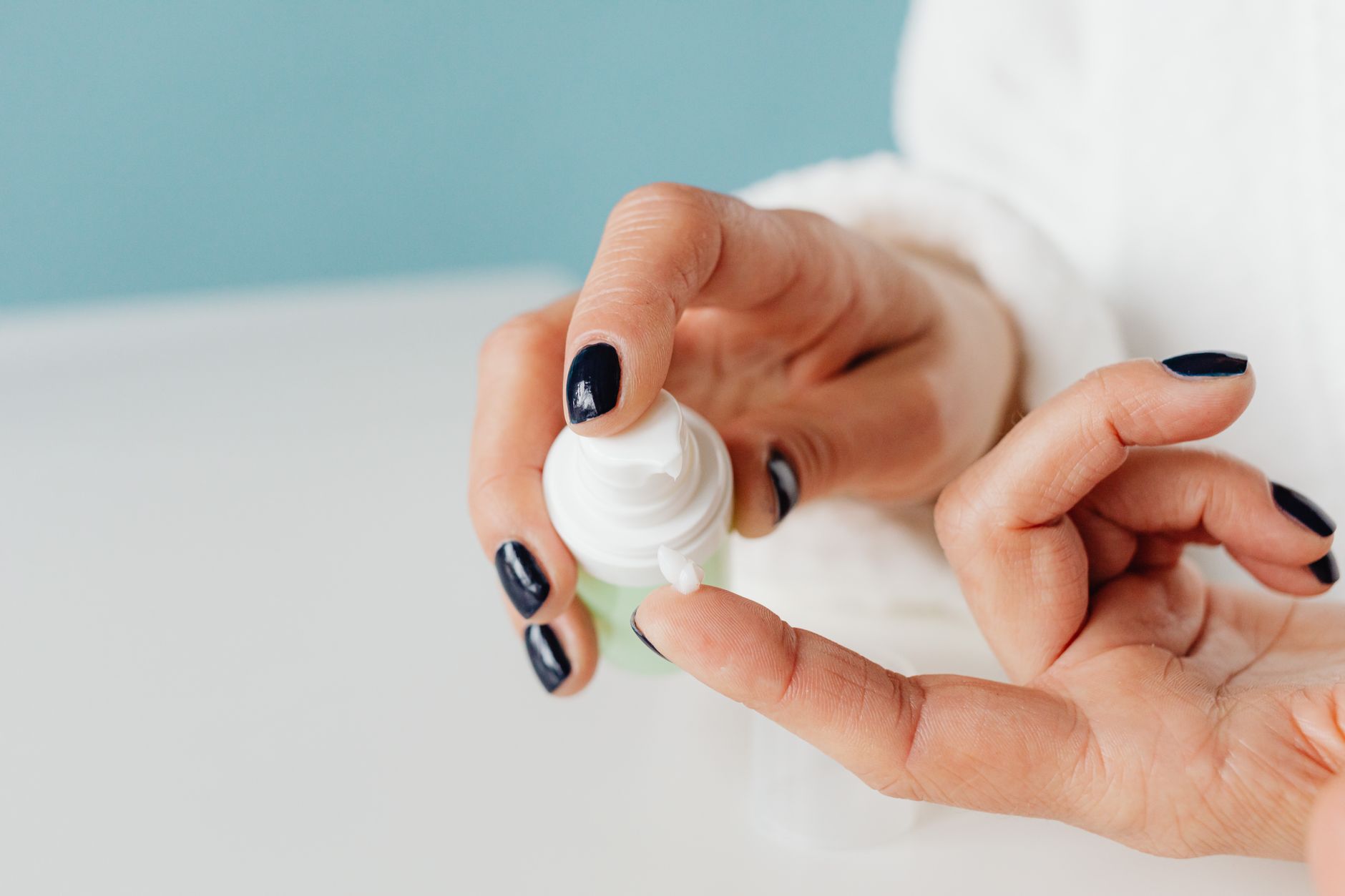
What is new with dermatology and acne in October 2026 is broader nonprescription access, durable results for a new oral drug, and clearance to test it in the United States. The most practical change for readers is prescription-strength Epiduo Gel available without a prescription for ages 12 and older. Acne is blocked pores, inflammation, and excess sebum, the oily substance that feeds breakouts. October updates add long-term control data for denifanstat, an oral fatty-acid-synthase inhibitor that lowers sebum production, plus continued work on an mRNA acne vaccine.
Medical information disclaimer: This article is for general educational purposes only and does not provide medical advice, diagnosis, or treatment. Always consult a physician or other qualified health professional about symptoms, medications, tests, or treatment decisions.
Official resources:
- Apply through Globenewswire’s official page — Use this page to review requirements and apply directly.
- Read the official guidance from Sanofi — Use this primary source to verify the official guidance.
Table of Contents
- What can you buy without a prescription now?
- Should you still use benzoyl peroxide?
- What did the new denifanstat results show?
- When will denifanstat be tested in the U.S.?
- What treatments do guidelines still recommend?
- Is an acne vaccine coming?
What can you buy without a prescription now?
The Food and Drug Administration approved the prescription-to-OTC switch for Differin Epiduo Gel, adapalene 0.1% plus benzoyl peroxide 2.5%, according to the Galderma approval announcement. It covers ages 12 and older. Stores named for summer 2026 availability included Walmart, Target, Ulta and Amazon. That matters because it is a fixed-dose combination, two active ingredients in one product.
Adapalene is a topical retinoid that helps unclog pores. Benzoyl peroxide kills acne bacteria and reduces inflammation. Check the label for age, directions, and warnings before first use. Start once daily as directed, use moisturizer, and add daily sunscreen because retinoids increase sun sensitivity.
Should you still use benzoyl peroxide?
Yes, for most people, with basic storage care. FDA independently tested 95 benzoyl peroxide products after outside benzene alarms and found more than 90% had undetectable or extremely low benzene, according to the FDA testing summary. Only six products showed elevated levels that led to limited voluntary recalls, including Zapzyt Acne Treatment Gel.
Benzene risk looks very low during normal use but rises with heat and expired product. FDA advises discarding expired benzoyl peroxide products and storing them cool, as summarized by The Dermatology Digest in June 2025. Clinicians cited there suggest retinoids or salicylic acid as benzoyl-peroxide-free options for concerned users. Keep it simple in practice:.
- Check expiration dates and replace old tubes.
- Store acne products in a cool place, not a hot car or sunny shelf.
- Stop a product and call a clinician for severe burning, swelling, or rash.
What did the new denifanstat results show?
Denifanstat is an oral drug that targets sebum by blocking fatty-acid synthase, an enzyme involved in oil production. The full 52-week Phase 3 open-label extension ASC40-304 in China tested longer use in moderate-to-severe acne. Treatment success was 57.8% for people who stayed on denifanstat and 55.6% for people who switched from placebo, with no discontinuations for adverse events, according to the ConsultantLive report on the EADV 2026 presentation. Dr. Neal Bhatia presented the findings in Vienna on Oct.
1, 2026. Maintenance matters because acne often returns after stopping treatment. These were extension-study results, not a new prescription option. Longer control is encouraging, but U.S. efficacy, safety, dose, and eligibility still need U.S. trial testing.
When will denifanstat be tested in the U.S.?
FDA cleared Sagimet Biosciences' investigational new drug application and issued a Study May Proceed letter for a U.S. Phase 3 trial in adolescent and adult patients with moderate-to-severe acne, according to the Sagimet announcement. The company describes it as a first-in-class sebum-targeting oral approach.
Phase 3 means larger efficacy and safety testing before any approval decision. No approval date, price, or pharmacy availability has been established. Readers interested in trials should watch for study locations and entry criteria rather than asking a pharmacy for it now.
What treatments do guidelines still recommend?
The American Academy of Dermatology 2024 acne guidelines strongly recommend topical benzoyl peroxide, retinoids and/or antibiotics, plus fixed-dose combinations. Oral isotretinoin is strongly recommended for severe disease. The same guidelines conditionally recommend topical clascoterone, salicylic and azelaic acids, sarecycline, minocycline, and combined oral contraceptives.
"Conditional" means benefits often outweigh harms, but the choice depends on acne type, severity, side effects, and patient preference. Clinician summaries also stress continued topicals for maintenance after antibiotics. That approach helps prevent relapse and limits prolonged antibiotic use.
Is an acne vaccine coming?
Not soon. Sanofi Pasteur lists Phase 1/2 trial NCT06316297 for an mRNA acne vaccine in adults ages 18-45 with moderate-to-severe acne.
The study tests up to three intramuscular doses across four dose levels. The listed goals are safety, efficacy, and immune response through 2027. Early-phase vaccine trials answer whether the approach is safe and biologically active, not whether pharmacies will stock it.
You Might Also Like
- What Is New With Supplements and Acne in October 2026? Latest FDA and dermatology sources and Key Takeaways
- What Is New With Inflammation and Acne in October 2026? Latest FDA and dermatology sources and Key Takeaways
- What Is New With Fungal and Acne in October 2026? Latest FDA and dermatology sources and Key Takeaways