
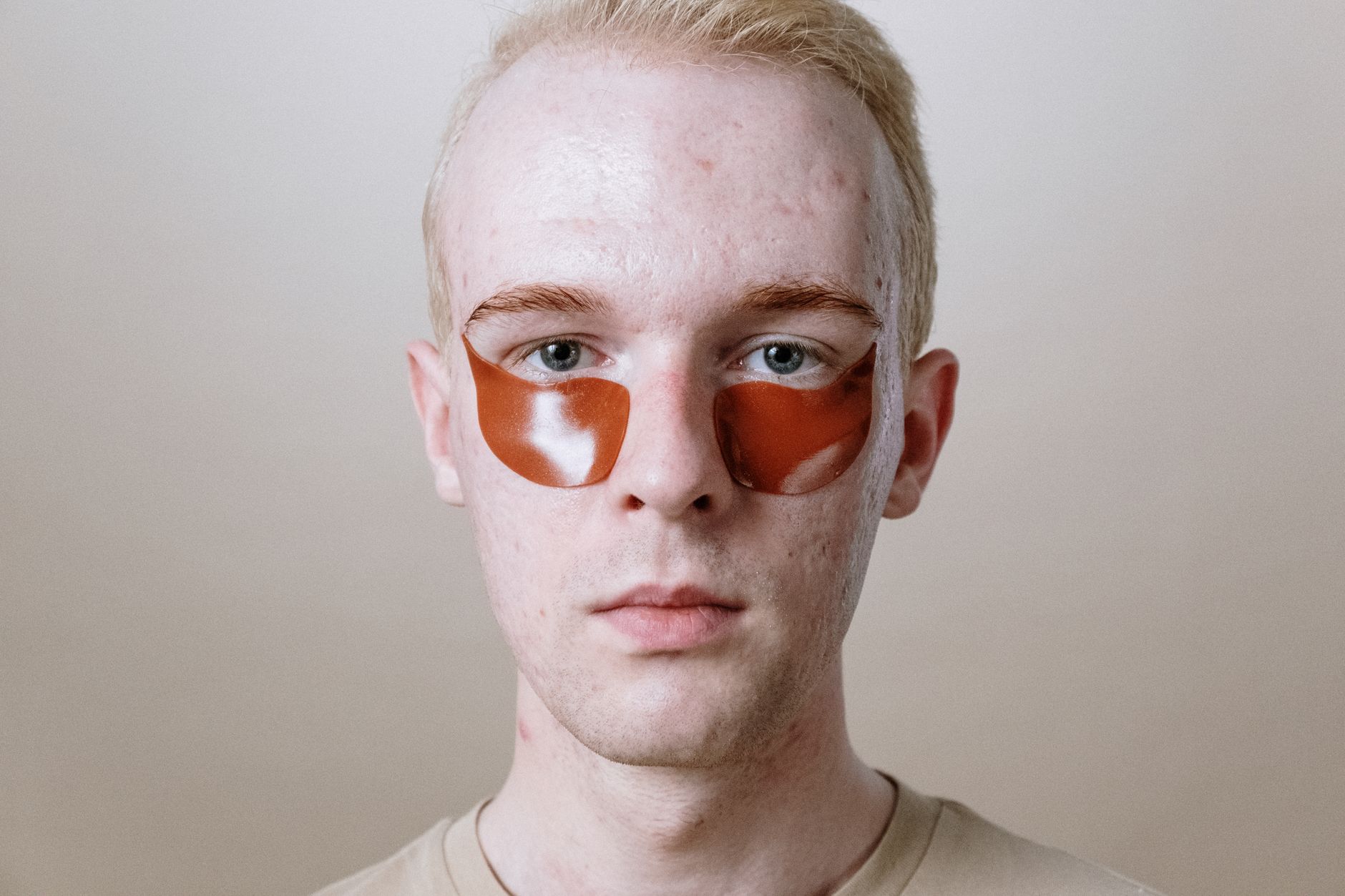
Breakouts that line up exactly where your hat sits are usually acne mechanica. Dermatologists use that term for acne caused or worsened by heat, pressure, and repeated rubbing.
The American Academy of Dermatology describes acne mechanica as breakouts driven by heat, moisture, constant pressure, occlusion, and friction against skin in its report on skin issues among athletes. A tight brim traps sweat and oil where fabric meets forehead. That warm, damp contact clogs pores and keeps bacteria pressed against skin.
Medical information disclaimer: This article is for general educational purposes only and does not provide medical advice, diagnosis, or treatment. Always consult a physician or other qualified health professional about symptoms, medications, tests, or treatment decisions.
Table of Contents
- Why hats trigger breakouts on the forehead
- Could something else cause the same forehead pattern
- What stops hat-line breakouts
- How to clear active spots and when to get care
Why hats trigger breakouts on the forehead
A hat brim, helmet, or sweatband holds sweat, oil, dirt, and bacteria against the forehead, according to Healthline in its guide to acne mechanica. Pores clog more easily under that layer. Rubbing then holds acne-causing bacteria in place. Athletes and regular helmet or headgear wearers face the highest risk.
Equipment covers skin for long periods while skin gets hot and sweaty, according to the American Academy of Dermatology statement in its summary of athletes' skin woes. Construction workers, soldiers, baseball caps, beanies, and headbands can create the same pattern. The location gives a useful clue. A straight band of pimples, blackheads, or tender bumps across the brim line points toward friction and trapped sweat. Breakouts scattered well above or below the contact zone more often have another trigger.
Could something else cause the same forehead pattern
Not every forehead breakout comes from a hat. Oily hair, pomades, waxes, and heavy conditioners can migrate onto the forehead and clog pores. Healthline notes forehead breakouts in the same zone can also reflect pomade acne, makeup, or frequent face-touching in its overview of forehead acne. Look at timing and placement.
Hat-related spots flare after long wear days, hot weather, workouts, or dirty headwear. Pomade acne clusters near the hairline and improves when you change hair products or keep hair off the forehead. Sweat bumps can also mimic acne. Heat rash and folliculitis cause small red or tender bumps after sweating. Persistent, painful, spreading, or pus-filled lesions need clinician diagnosis rather than self-treatment.
What stops hat-line breakouts
Reduce heat, friction, and trapped sweat together. Showering or washing affected skin promptly after sweating helps, and wearing clean cotton or moisture-wicking fabric between skin and equipment lowers risk, according to the American Academy of Dermatology in its guidance for preventing workout-related acne.
Small fit and hygiene changes make the biggest difference: Avoid picking or scrubbing the band area. Harsh scrubbing adds friction and irritation. Use lukewarm water, gentle hands, and a mild cleanser instead.
- Loosen the fit or choose a brim that does not scrape the forehead.
- Wash hats, caps, helmets liners, and headbands often.
- Pull forehead hair back under headgear and keep it clean.
- Change out of sweaty headwear promptly after exercise or heat exposure.
How to clear active spots and when to get care
Treat hat-line acne like mild facial acne once the trigger eases. Gentle twice-daily cleansing helps remove sweat, oil, and bacteria. Over-the-counter benzoyl peroxide targets surface bacteria, while salicylic acid helps unclog pores. For breakouts that linger, topical adapalene can help persistent forehead acne. The Cleveland Clinic and Mayo Clinic describe these options in their acne treatment guidance.
Start one active product at a time. Stop and reassess if burning, peeling, or swelling worsens. See a dermatologist for deep, painful lumps, widespread forehead rash, signs of infection, or acne that lasts after several weeks of consistent care. Bring your hat or helmet if possible. Fit, padding, and fabric details help the clinician separate acne mechanica from folliculitis, heat rash, or product-related acne. Wash hats and headbands regularly, keep bangs pulled back, and avoid brims that rub.