
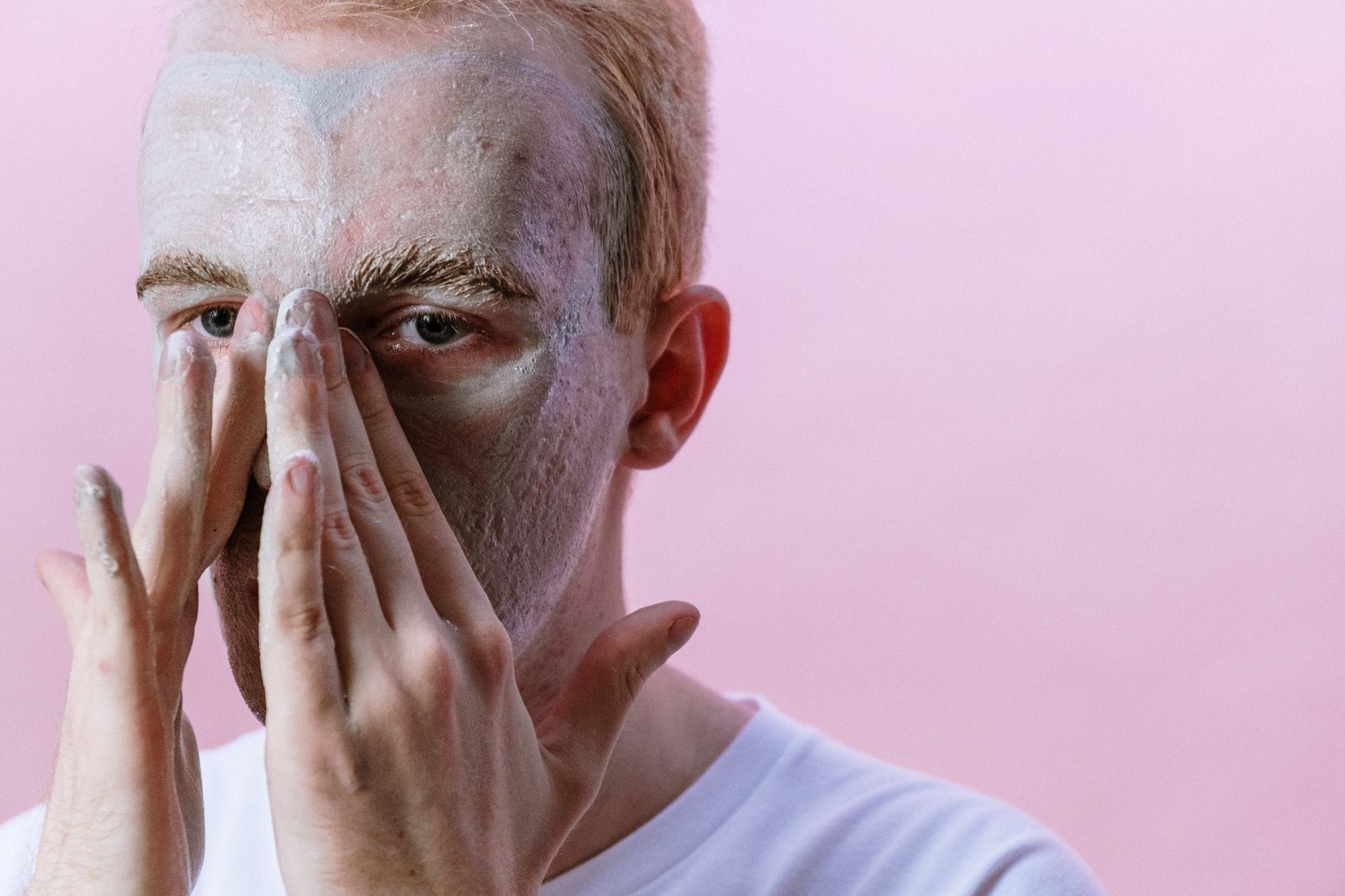
Acne and rosacea are the two most common inflammatory facial conditions, and both have clearer treatment paths in 2026 than they did three years ago. Acne affects roughly one in five adults worldwide and peaks in the late teens; rosacea affects a smaller share, skews female and middle-aged, and now has its first new oral drug in nearly two decades.
This page covers who each condition actually affects, what the current evidence says about treatment, where the numbers are shaky, and what you can reasonably do next. Acne is a disorder of blocked, inflamed hair follicles that produces comedones, papules and pustules. Rosacea is a chronic condition of facial redness, flushing, visible vessels and — in its inflammatory form — bumps that look like acne but are not.
Medical information disclaimer: This article is for general educational purposes only and does not provide medical advice, diagnosis, or treatment. Always consult a physician or other qualified health professional about symptoms, medications, tests, or treatment decisions.
Table of Contents
- How common are they, and where you live changes the answer
- What the 2024 acne guideline actually recommends
- Rosacea's first new oral drug since 2006
- Who gets under-diagnosed, and why rosacea counts disagree
- What to do next
- Frequently Asked Questions
How common are they, and where you live changes the answer
A 20-country survey of 50,552 people aged 16 and over, published in the Journal of the American Academy of Dermatology, put overall acne prevalence at 20.5%, rising to 28.3% among 16- to 24-year-olds. The same population showed rosacea prevalence of 5.1%. That gap is the single most useful framing: acne is common enough to be near-universal in some age brackets, rosacea is a minority condition. Region mattered more than most people expect.
In that survey acne prevalence varied more than twofold: 23.9% in Latin America, 20.2% in East Asia, 18.5% in Africa and 16.1% in the Middle East, against 9.7% in Europe and 10.8% in Australia. Survey methods, climate, diet and willingness to self-report all sit inside that spread, so treat it as a real signal about populations rather than a ranking of risk. For US readers specifically, the American Academy of Dermatology describes acne as the most common skin condition in the country, affecting nearly 50 million Americans a year, with onset usually at puberty. That scale is why acne care is mostly primary-care and over-the-counter, and why the guideline below is written for general use rather than specialist use.
What the 2024 acne guideline actually recommends
The AAD's 2024 acne guideline was its first update since 2016, and it separates recommendations into strong and conditional. The guideline, published in JAAD, makes strong recommendations for benzoyl peroxide, topical retinoids, topical antibiotics and oral doxycycline. It strongly recommends oral isotretinoin for acne that is severe, scarring, psychosocially burdensome, or unresponsive to standard therapy. Conditional recommendations cover topical clascoterone, azelaic acid, salicylic acid, oral minocycline, sarecycline, combined oral contraceptives and spironolactone.
Conditional does not mean weak evidence of harm — it means the benefit-to-burden balance depends more on the individual patient. Hormonal options such as spironolactone and combined oral contraceptives, for instance, suit a specific pattern of adult acne rather than every case. One recommendation is easy to miss and worth acting on. The guideline advises that topical or oral antibiotics be used alongside benzoyl peroxide, specifically to limit antibiotic resistance. If a prescription arrives without that pairing, it is a fair question to raise.
Rosacea's first new oral drug since 2006
On 4 November 2024 the FDA approved Emrosi — minocycline hydrochloride extended-release 40 mg, developed as DFD-29 — for inflammatory lesions of rosacea in adults. Per Journey Medical Corporation's announcement, it is the first new oral rosacea treatment since doxycycline 40 mg reached the market in 2006. An 18-year gap is unusual, and it means most existing rosacea advice predates this option entirely. The approval rests on two 16-week phase 3 trials, MVOR-1 and MVOR-2.
Journey Medical reported IGA treatment success — a clinician-rated measure of clear or almost-clear skin — of 65.0% with DFD-29, against 46.1% with doxycycline 40 mg and 31.2% with placebo. Mean inflammatory lesion reduction was 21.3 lesions, versus 15.9 for doxycycline and 12.2 for placebo. Two limits are worth holding onto. These trials measured inflammatory lesions, the bumps and pustules, not the persistent background redness or visible vessels that many people find most bothersome. And the comparison ran 16 weeks, which tells you about getting control, not about staying in control over years.
Who gets under-diagnosed, and why rosacea counts disagree
Rosacea has a long-standing reputation as a condition of fair, northern-European skin. A 2025 cross-sectional study by Gomez-Lara and colleagues, screening 109,866 primary care patients, undercuts that. It identified 1,180 people with rosacea — 61.9% female, mean age 51.0, and 44% Hispanic, 30% White, 16% Asian — and found that patients with skin of color had more severe rosacea phenotypes than White patients. That combination, common and more severe yet historically under-recognised, is the practical takeaway.
Redness is harder to see on darker skin, so the flushing that triggers a referral in one patient can go unremarked in another until the inflammatory bumps arrive. The prevalence figures themselves deserve scepticism. A 2024 systematic review and meta-analysis in JAAD Reviews pooled population-based studies at roughly 3.2%, but individual studies ranged from 0.09% to 15.1% — a 160-fold spread. The reason is methodological: self-reported surveys, clinician diagnosis and dermatology-clinic samples are measuring three different things. When a source quotes a single rosacea prevalence number with confidence, check which of those three it came from.
What to do next
Rosacea has no cure. NIAMS, the NIH institute covering skin conditions, describes treatment as tailored and gradual, with improvement typically taking three months or longer.
That timeline is the most common reason people abandon a regimen that was working. A reasonable sequence: If bumps and redness sit together on the central face and over-the-counter acne products make things worse, that pattern points toward rosacea rather than acne — and it is the point at which a dermatologist's read is worth more than another product.
- Keep a two-week trigger log. NIAMS names sun, stress, heat, alcohol and spicy food as common rosacea triggers; identifying yours costs nothing and changes what you avoid.
- For acne, check that any antibiotic you are prescribed is paired with benzoyl peroxide, per the AAD guideline.
- Give a new regimen three months before judging it, and photograph your skin at the start so you are comparing against a record rather than a memory.
- Raise scarring, or a real effect on mood and daily life, explicitly — the AAD guideline treats psychosocial burden as grounds for escalating to isotretinoin, not just lesion count.
- Ask specifically about eye symptoms if you have any. NIAMS warns that untreated eye involvement in rosacea can harm eyesight.
Frequently Asked Questions
Is acne only a teenage problem?
No. The 20-country JAAD survey found 20.5% prevalence across everyone aged 16 and over, with the 28.3% peak confined to ages 16–24. That leaves a large adult population, and adult acne in women is part of why hormonal treatments like spironolactone appear in the guideline.
Why does my prescription pair an antibiotic with benzoyl peroxide?
The AAD's 2024 guideline advises using topical or oral antibiotics alongside benzoyl peroxide specifically to limit antibiotic resistance. Benzoyl peroxide kills bacteria by a mechanism resistance does not develop against, so it protects the antibiotic's usefulness over repeated courses.
Can rosacea affect my eyes?
Yes, and NIAMS is direct that untreated eye involvement can harm eyesight. Persistent grittiness, dryness, burning or recurrent styes alongside facial rosacea are worth reporting rather than treating as unrelated.