
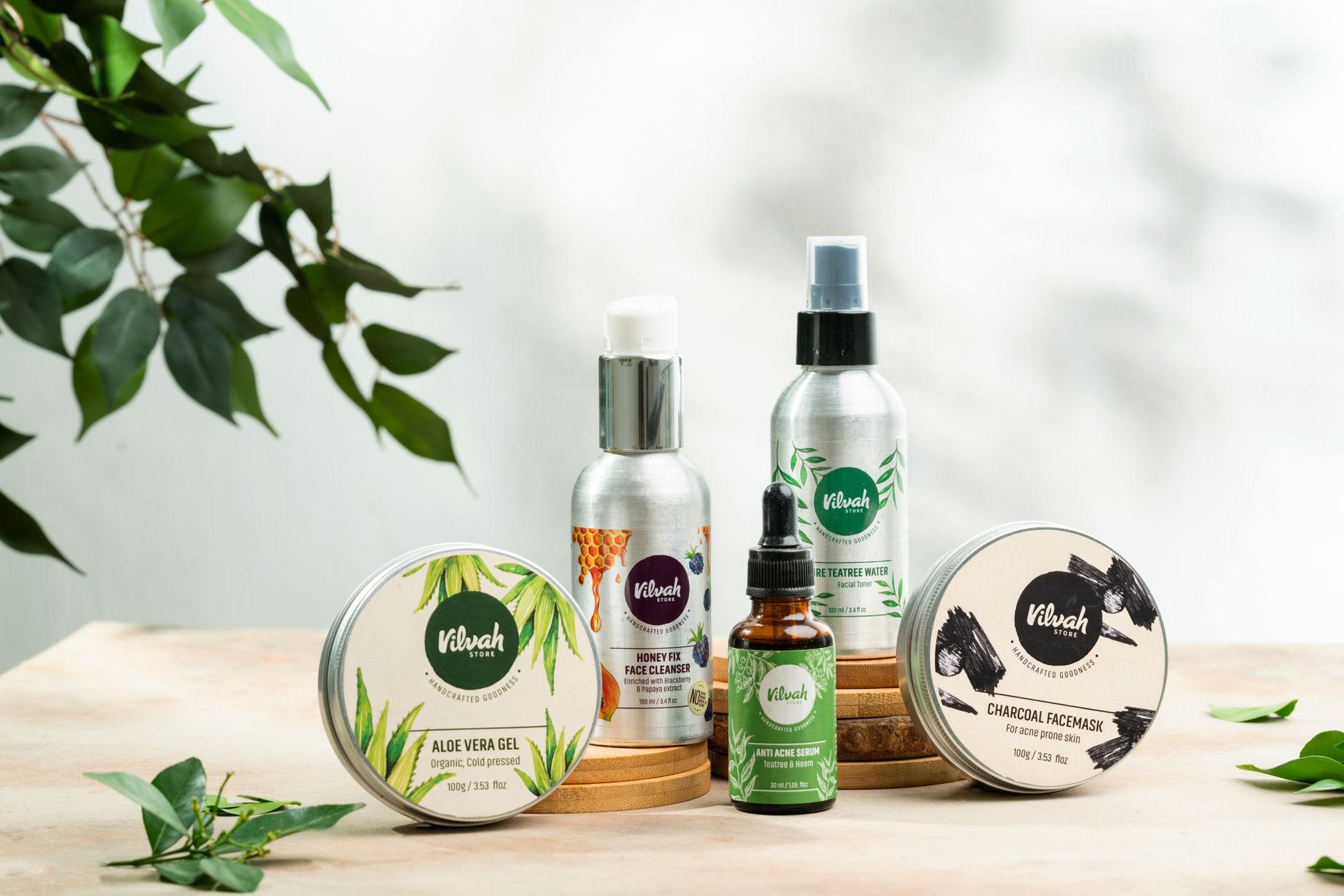
A 2026 meta-analysis found tea tree oil modestly reduces acne severity, and no serious side effects appeared in the pooled trials. That is a real result, but it is narrow: it covers short-term topical use in small studies, and it has not changed US clinical guidance. If you have persistent adult acne and saw the headline, the useful takeaway is not "herbal treatments work" or "herbal treatments are safe." It is that one plant extract, applied to the skin, produced a small measurable benefit under trial conditions that look very little like a bathroom shelf.
Medical information disclaimer: This article is for general educational purposes only and does not provide medical advice, diagnosis, or treatment. Always consult a physician or other qualified health professional about symptoms, medications, tests, or treatment decisions.
Table of Contents
- What the 2026 trial data actually showed
- Why the broader herbal evidence stays "weak" in the authors' own words
- The guideline gap, and what it means for your dermatologist visit
- Two risks the trials were not built to detect
- Reading a herbal acne headline without overreading it
- The trade-off in a head-to-head comparison
- Frequently Asked Questions
What the 2026 trial data actually showed
The review in question pooled seven studies covering 445 participants. The Phytotherapy Research meta-analysis reported that tea tree oil reduced acne severity compared with controls, at a pooled odds ratio of 0.74 (95% CI 0.63–0.88) — and the authors themselves described the effect as modest while calling for larger trials using standardized formulations. An odds ratio of 0.74 means improvement was more likely in the tea tree groups than the control groups. It does not mean a 26% reduction in your spots.
It is a group-level statistic across seven differently designed studies, and "standardized formulations" is the phrase doing the heaviest lifting: the products tested were not the same product. The safety finding is similarly specific. The published analysis recorded only local, mild adverse events with no serious events, and tea tree oil actually caused less mild itching than comparators (pooled OR 0.09, 95% CI 0.03–0.23). Read that as short-term local tolerability in a monitored trial — not a statement about what happens after two years of daily use.
Why the broader herbal evidence stays "weak" in the authors' own words
Tea tree oil is not the whole field. A systematic review of 34 clinical trials covering 1,753 participants found that herbal medicines significantly reduced inflammatory and non-inflammatory lesions in mild-to-moderate acne, with some plants performing comparably to standard treatments. The same review stated plainly that evidence quality and methodological standardization remain inadequate.
A separate meta-analysis of externally applied herbal medicines reached the same landing point. Its authors called the effects affirmative but the conclusion explicitly "weak", citing low evidence quality and non-standardized preparations, and asked for rigorously designed randomized trials. That pattern — positive direction, weak confidence — is the honest summary of the field. It is also why a single favorable result should shift your expectations slightly rather than reorganize your routine.
The guideline gap, and what it means for your dermatologist visit
The American Academy of Dermatology's 2024 acne guideline issued no recommendation on topical tea tree oil, topical green tea, witch hazel, oral pantothenic acid, zinc, or niacinamide, because the evidence was judged insufficient. "No recommendation" is not the same as "does not work." It means the trial base was too thin or too inconsistent to support a directional call. Practically, that explains a conversation many readers have had.
If you bring a herbal product to a dermatologist and they neither endorse nor forbid it, they are following the guideline accurately. The clinician has nothing to recommend from, and nothing to warn against either. It also means a positive 2026 headline has not moved US clinical guidance. Guidelines update on accumulated evidence, not on individual studies, and the authors of the tea tree review asked for exactly the larger standardized trials that would drive such an update.
Two risks the trials were not built to detect
The first is allergic contact dermatitis from oxidized tea tree oil. The culprit is ascaridole, a degradation product that forms as the oil ages in contact with air and light. In a patch-test study of 319 eczema patients, ascaridole 2% produced positive reactions in 5.5% — and testing tea tree oil alone missed clinically relevant cases, meaning a standard patch test can return negative while the aged bottle in your cabinet is the problem. The second risk belongs to oral supplements, which topical trials never measure at all.
Herbal and dietary supplements now account for more than 16% of cases in the US Drug-Induced Liver Injury Network, up from roughly 10%, and supplement-related liver failure listings for transplant rose eightfold between 1995 and 2020. A topical safety finding carries no information about swallowing a capsule. The regulatory backdrop compounds this. The FDA states it is not authorized under DSHEA to approve dietary supplements for safety or effectiveness before marketing; the manufacturer is responsible for substantiating its own claims, and structure/function claims must carry a disclaimer that FDA has not evaluated them. That disclaimer on the back of the bottle is a legal fact about the product, not boilerplate.
Reading a herbal acne headline without overreading it
Before you act on a study summary, check what the trial actually tested against what you are considering buying:.
- **Route.** Was it applied to skin or swallowed? A topical safety record says nothing about an oral capsule, and the liver-injury data sits entirely on the oral side.
- **Concentration and preparation.** The trials used defined percentages. A cream listing "tea tree extract" somewhere in the ingredients is not the tested intervention.
- **Duration.** Acne trials typically run weeks to a few months. "No serious adverse events" describes that window.
- **Comparator.** Better than placebo and better than benzoyl peroxide are different claims.
- **Freshness.** An oil that has been open for a year is chemically not the oil that was tested.
The trade-off in a head-to-head comparison
The clearest practical picture comes from direct comparison rather than pooled odds ratios. In the Bassett trial published in the Medical Journal of Australia, 5% tea tree oil and 5% benzoyl peroxide both cut lesion counts, but they got there differently: benzoyl peroxide was ahead at weeks 4 and 8, with tea tree oil catching up by week 12, and tea tree oil produced fewer irritant side effects. That is a trade of speed for tolerability, not a superiority result.
If irritation is what has driven you off benzoyl peroxide, the slower option is a defensible choice — provided you plan for twelve weeks, not two. This is an adult problem, which is the population most of these decisions actually affect. A 2025 population-based study found 31.3% acne prevalence among adult women, with self-reported prevalence at ages 20–29 around 51% in women versus 43% in men. Persistent adult acne is common enough that "wait twelve weeks and see" is a real cost — one worth weighing against a treatment with a faster documented onset.
Frequently Asked Questions
Does "no serious adverse events" mean tea tree oil is safe for long-term daily use?
No. That finding covers short-term local tolerability under trial conditions. Long-term use was not measured, and oxidation of the oil over time introduces a separate allergy risk through ascaridole.
Why does my dermatologist neither recommend nor rule out tea tree oil?
The AAD's 2024 guideline issued no recommendation on it because evidence was insufficient. That is a statement about the trial base, not a judgment that the ingredient fails.
Is an oral herbal acne supplement covered by these results?
No. Every finding here about tea tree oil concerns topical use. Oral supplements carry a distinct liver-injury signal and are not pre-approved by FDA for safety or effectiveness.
How long should I give a tea tree product before judging it?
The head-to-head data showed it trailing benzoyl peroxide at weeks 4 and 8 before catching up by week 12. Judging it at one month would understate it.
You Might Also Like
- Herbal Acne Trial Safety and Evidence Limits in 2026: How Adults With Persistent Acne Can Compare Treatment Options
- Herbal Acne Trial Safety and Evidence Limits in 2026: Safety and Monitoring Questions for Adults With Persistent Acne
- The 2026 Trial of Phyllanthus Emblica and Tinospora for Acne: How Adults With Persistent Acne Can Avoid Overreading the Headline