
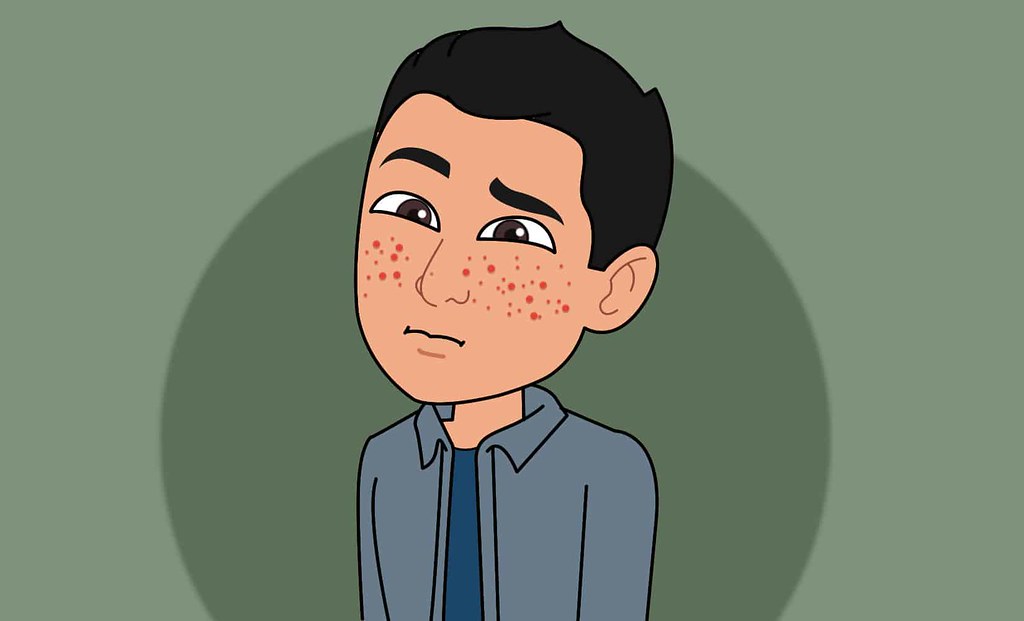
The 2026 acne body image studies do not prove causation because they surveyed each person only once. A single-timepoint link cannot show whether acne came before distress, distress worsened acne perception, or anxiety drove both.
Body image disturbance here means persistent distress, shame, or avoidance tied to how skin looks. Acne affects about 85% of adolescents, according to the American Academy of Dermatology, so distress can feel central during peer and identity formation. For teens and parents, the practical question is what helps now, not only what correlates.
Medical information disclaimer: This article is for general educational purposes only and does not provide medical advice, diagnosis, or treatment. Always consult a physician or other qualified health professional about symptoms, medications, tests, or treatment decisions.
Table of Contents
- What did the 2026 studies find?
- Why can't a single survey prove cause?
- Who do these results fit least?
- What should care include besides clearing lesions?
What did the 2026 studies find?
Researchers found poorer dermatology-specific quality of life and higher anxiety were associated with greater body image disturbance in young adults with acne. Anxiety helped connect low quality of life to more disturbance. That result comes from the Taylor & Francis study in Psychology, Health & Medicine published May 27, 2026, detailed in the journal abstract. A Frontiers in Public Health study surveyed 201 young adults ages 18-29 with acne.
Participants came from two East China tertiary hospitals from December 2024 to February 2025. It linked body image disturbance to higher psychological inflexibility, social avoidance, and depression symptoms, reported in the full study text. In daily life, that can look like skipping photos, avoiding sleepovers, or checking mirrors often. The studies show these patterns travel together; they do not show acne alone caused them.
Why can't a single survey prove cause?
Cross-sectional surveys measure exposure and outcome at one timepoint. Timing stays unknown. That gap leaves reverse causation and shared causes like anxiety on the table, according to National Institutes of Health methods literature in the methods review.
A teen with exam anxiety may rate both acne and appearance more harshly on a bad week. A calmer month might bring milder answers without any skin change. Only repeated measures over time can sort order and direction.
Who do these results fit least?
The China sample was small, single-region, and hospital-based. It included mostly young adults, not younger teens, and was 72.1% female, according to the Frontiers study. All answers came from self-reported questionnaires, which can carry recall and reporting bias.
Hospital patients may also differ from teens with milder acne who never seek specialty care. Teens still merit attention because acne affects about 85% of people ages 12-24, according to the American Academy of Dermatology. Appearance concerns land hard during identity growth, even when study samples do not match every teen.
What should care include besides clearing lesions?
The 2026 body-image study authors suggest routine emotional and anxiety screening should sit alongside lesion-focused treatment, according to a Chronicle Skin summary of the Psychology, Health & Medicine work. Skin checks alone miss the distress that drives avoidance and low mood. Current U.S.
acne guidance strongly recommends considering oral isotretinoin for severe cases. It also covers acne causing psychosocial burden or scarring, or acne failing standard therapy, according to the American Academy of Dermatology. That support points toward prompt dermatology referral plus mental-health attention for distressed teens. Bring a brief note on mood, missed activities, and prior treatments to that visit so both skin and mind get addressed.
- Ask about anxiety, avoided activities, sleep, and photo or social distress at each visit
- Track mood and handling of unwanted thoughts alongside lesion counts
- Seek dermatology referral promptly when acne is severe, scars, resists standard therapy, or weighs on daily life
You Might Also Like
- The 2026 Systematic Review of Acne and Quality of Life: Study Limits and Care Implications for Teens With Acne
- Psychological Burden Across Acne Severity in 2026 Research: Study Limits and Care Implications for Teens With Acne
- Planned Home Pregnancy Testing Under the 2026 iPLEDGE Changes: A Source-Checked Briefing for Parents of Teens With Severe Acne