
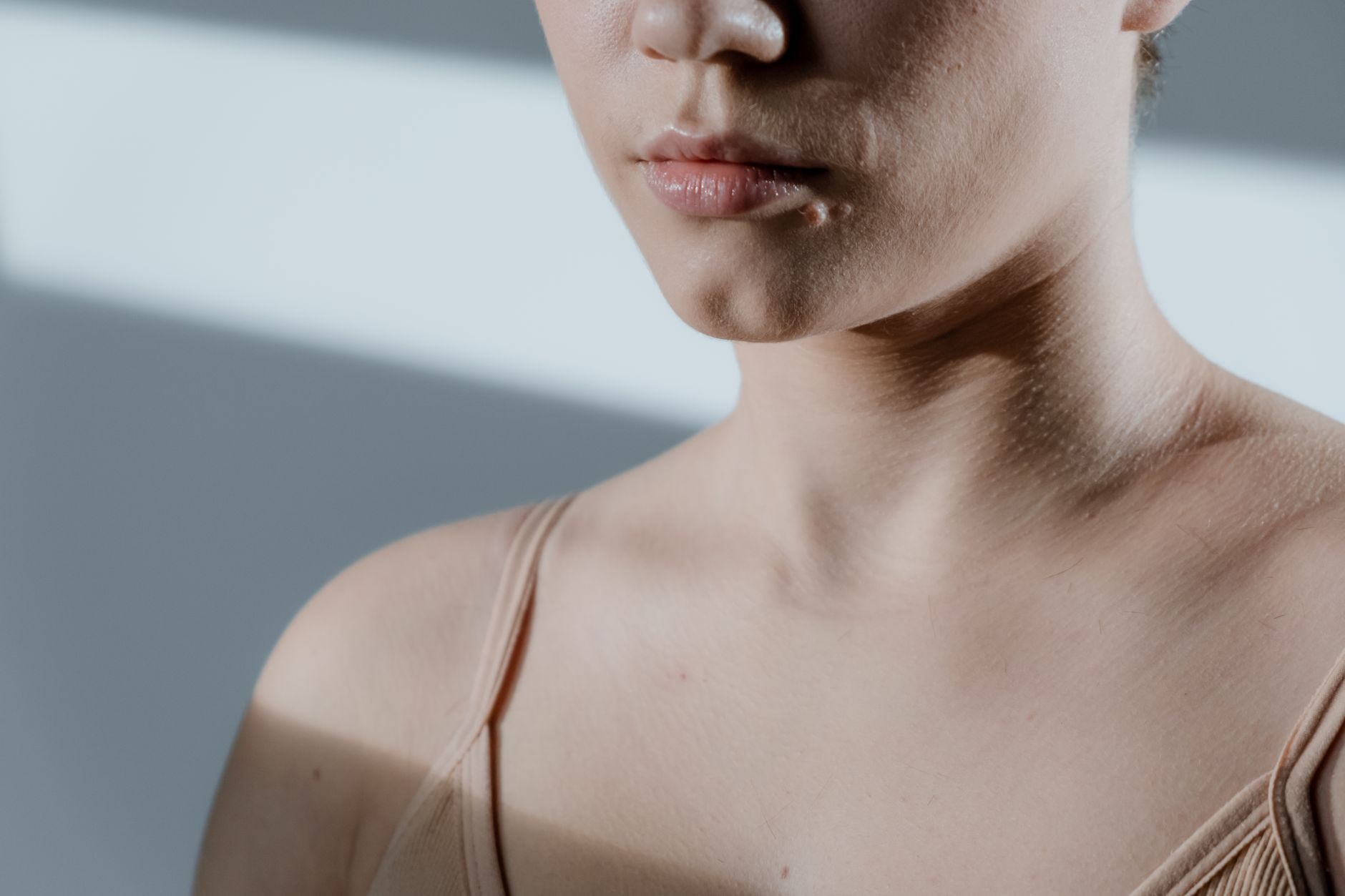
That hard lump is usually a deep acne nodule that has not fully cleared, trapped material that hardened under the skin, or extra collagen left from healing. An acne nodule is a firm, often painful lump deep in the skin's lower layers that feels like a hard knot, as VeryWell Health explains in its nodular acne guide. The surface pimple can look healed while the deeper problem remains. Trapped contents may harden into deep, stubborn cyst-like lumps after the surface fades, and those lesions can persist for weeks or months, according to Healthline in its overview of nodular acne.
Medical information disclaimer: This article is for general educational purposes only and does not provide medical advice, diagnosis, or treatment. Always consult a physician or other qualified health professional about symptoms, medications, tests, or treatment decisions.
Table of Contents
- Is deep acne still active underneath?
- Could it be a cyst?
- Could it be extra scar tissue?
- When should you stop touching it and get care?
Is deep acne still active underneath?
A nodule sits lower than a whitehead or blackhead. It may feel tender when pressed and look pink or red on the surface. The lump can stay firm even after pus and swelling go away.
Squeezing does not reach this depth. Added pressure can push inflammation deeper and prolong the knot. A lump that stays firm for many weeks often fits this pattern.
Could it be a cyst?
A severely irritated pore can form a larger growth called a cyst. Physicians generally reserve the term nodule for hard growths rather than soft fluid-filled lumps. Another type is an epidermoid cyst. It forms when surface skin cells move deeper instead of shedding, multiply into a wall, and secrete soft yellowish keratin.
If that wall ruptures, the released material can inflame surrounding skin. An epidermoid cyst often feels smooth and round under the skin. It may enlarge slowly, drain, or become tender after irritation. Only in-person examination can separate it from deep acne.
Could it be extra scar tissue?
Raised post-acne lumps often reflect excess collagen made during healing. Hypertrophic scars stay within the original injury, while keloids grow up and outward beyond it, according to University of Michigan Health in its scar healing guide. A hypertrophic scar usually feels firm and raised over the old pimple site.
A keloid looks thicker, spreads past the edges, and may itch or feel tight. Color can range from pink to dark brown. Risk is higher for people with darker skin and for people prone to abnormal scarring. Even minor acne, scratches, piercings, or burns can trigger keloids in those groups.
When should you stop touching it and get care?
Do not pick, scratch, or squeeze the spot. Cleveland Clinic clinicians advise against that habit because added inflammation worsens scarring, as noted in its acne scar guidance. Persistent nodules or cysts warrant prompt dermatologic treatment.
Get in-person evaluation for a lump that is: A persistent, growing, painful, draining, or infected lump cannot be diagnosed by feel alone. A clinician needs to examine it directly to rule out other causes. Bring a short history of when the pimple appeared, what you applied, and whether you squeezed it.
- persistent and does not soften after several weeks
- growing, changing shape, or spreading beyond the pimple site
- painful, draining fluid, swollen, or showing signs of infection
- recurring in the same spot after seeming to heal