
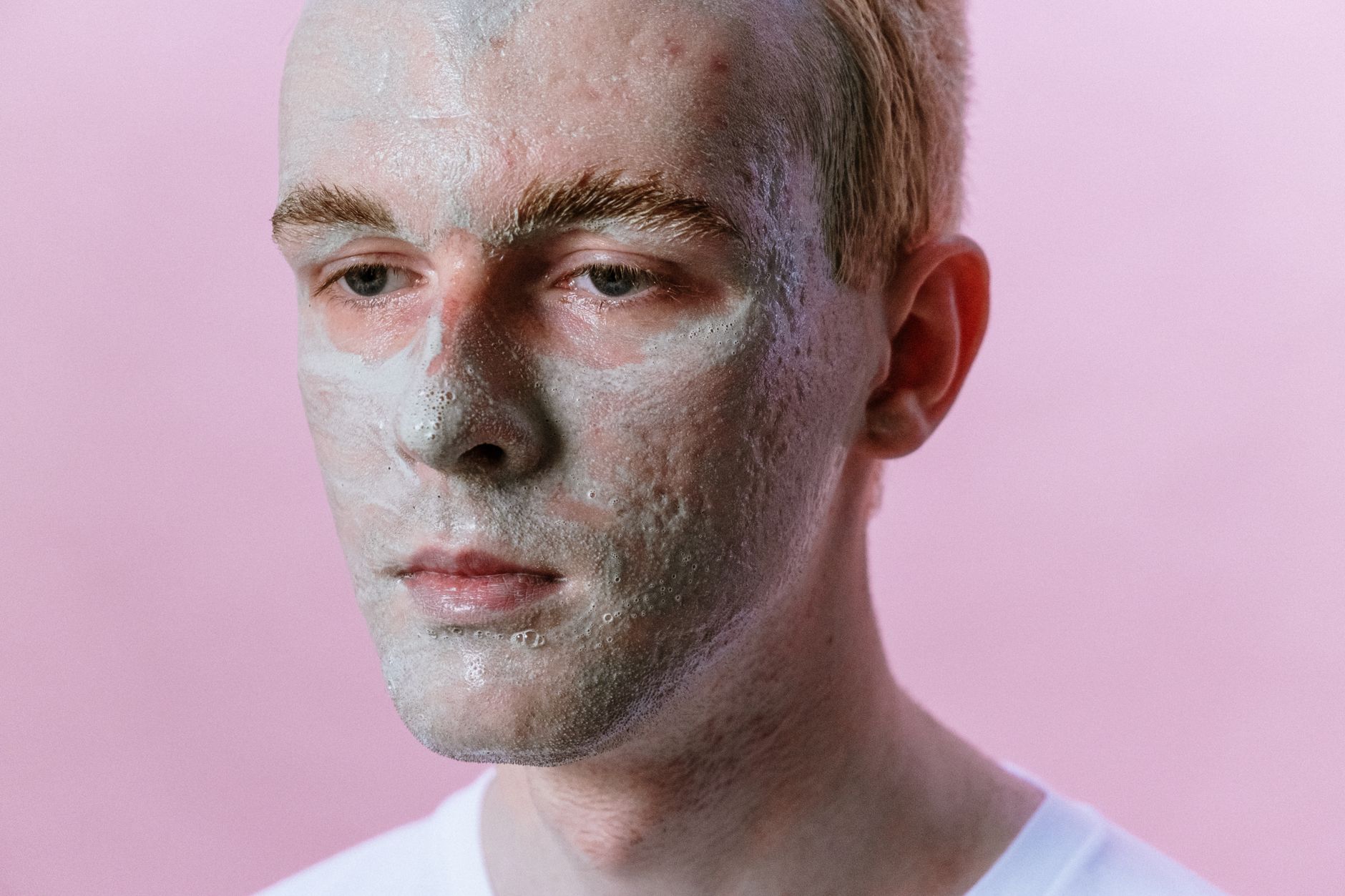
Scrubbing exfoliants over blackheads irritates the surrounding skin and weakens its protective barrier, which can trigger redness, inflammation and new breakouts. Blackheads are open clogged pores filled with dead skin cells, oil and debris, and their dark color comes from oxidation in air rather than trapped dirt.
That irritation outweighs any short-term smoothing from a scrub. Cleveland Clinic explains in its clogged-pore guide that the pore opening widens as material collects, so harsh rubbing only inflames already stressed tissue. A gentler chemical approach clears the plug without that added injury.
Medical information disclaimer: This article is for general educational purposes only and does not provide medical advice, diagnosis, or treatment. Always consult a physician or other qualified health professional about symptoms, medications, tests, or treatment decisions.
Table of Contents
- What sits inside a blackhead?
- Why does scrubbing worsen acne?
- When do exfoliants and acne products clash?
- What clears blackheads without harsh scrubbing?
What sits inside a blackhead?
A blackhead is an open comedo. Dead cells and sebum gather in the follicle and the surface darkens on contact with air. Squeezing or scouring does not change that chemistry.
Because the pore stays open, the plug looks dark even when the skin is clean. Treating it as dirt leads many people to scrub harder, which roughens the rim of the pore. The plug remains while the surrounding skin swells and looks worse.
Why does scrubbing worsen acne?
Physical scrubbing creates tiny friction injuries across acne-prone skin. The American Academy of Dermatology advises washing only with fingertips and avoiding washcloths, sponges or tools because scrubbing irritates skin and can worsen acne, as described in its acne treatment guidance.
Irritation dries the surface and makes clogged pores more visible. Dry, flaking skin can then trap more oil and cells at pore openings. For dry, sensitive or acne-prone skin, dermatologists favor a mild chemical exfoliant over brushing or harsh mechanical exfoliation because the latter is often too irritating.
When do exfoliants and acne products clash?
Layering products raises the risk. The American Academy of Dermatology notes that over-exfoliation and combining too many active ingredients can leave skin inflamed, red and more vulnerable to irritation, according to its healthy-skin guidance.
The clash is strongest with prescription retinoids, retinol or benzoyl peroxide. Adding an exfoliant on top can increase dryness and even cause breakouts. Acne-affected skin already loses more water and holds fewer protective lipids, so extra exfoliation lands on a compromised barrier.
What clears blackheads without harsh scrubbing?
Salicylic acid dissolves oil and dead cells inside the pore rather than abrading the surface. Cleveland Clinic dermatologist Angela Wei recommends a once-daily salicylic-acid wash, pad or toner as the go-to blackhead treatment instead of harsh scrubs, as reported in this blackhead treatment article.
Use a simple daily routine and watch for overload: Give the single product two to four weeks to loosen plugs. Pick up a scrub only if skin stays calm, and keep pressure light.
- wash once or twice daily with lukewarm water and fingertips
- apply one salicylic-acid product once daily, not several acids at once
- pause added exfoliants when starting retinol or benzoyl peroxide
- stop and simplify if skin stings, peels, turns red or feels tight