
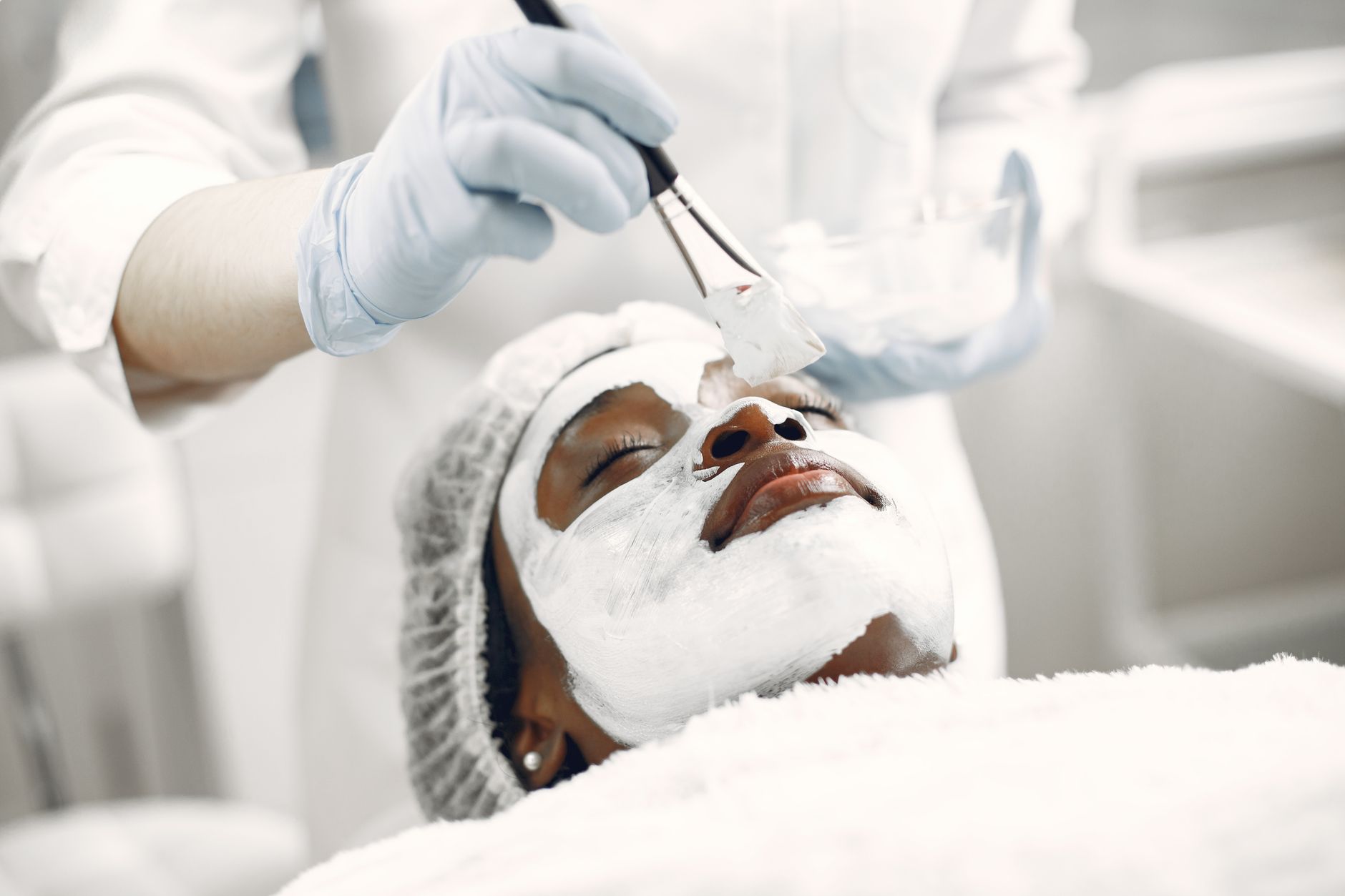
The 160-participant combination trial published in 2026 tested calcium hydroxylapatite filler plus CO2 ablative fractional laser for atrophic acne scars. Atrophic scars are depressed, indented scars that sit below the surrounding skin surface. The study enrolled 160 people and randomly assigned them to a filler-plus-laser group or a control group, according to Aesthetic Plastic Surgery (the 2026 randomized study). That size can show an early signal, but about 80 people per arm cannot settle durability, rare harms, or results across skin types.
Medical information disclaimer: This article is for general educational purposes only and does not provide medical advice, diagnosis, or treatment. Always consult a physician or other qualified health professional about symptoms, medications, tests, or treatment decisions.
Official resources:
- Register through Springer’s official page — Use this page to review requirements and register directly.
- Register through Springer’s official page — Use this page to review requirements and register directly.
Table of Contents
- What the combination treatment involved
- Who this evidence concerns
- Why 160 participants leaves major limits
- What to ask before booking treatment
What the combination treatment involved
The observation group received calcium hydroxylapatite, often called CaHA filler, plus CO2 ablative fractional laser. The laser creates tiny controlled columns of injury to trigger remodeling. The filler adds volume and structure beneath depressed scars.
The authors reported synergistic scar remodeling, with the best response in boxcar and rolling subtypes. Boxcar scars have sharp-edged depressions, while rolling scars create wavy uneven texture. CaHA injection also appeared to support recovery after laser by reducing adverse events.
Who this evidence concerns
This research concerns people with depressed atrophic scars, including ice-pick, boxcar, and rolling types. Many patients have mixed types on the cheeks, temples, or jawline. A narrow ice-pick pit beside a wide boxcar scar is a common example.
No single method usually treats every pit, edge, and slope at once, so combination therapy is typically required, according to the Skin Therapy Letter review (the Family Practice review of atrophic scarring). People with mainly boxcar and rolling scars match the reported benefit most closely. People with mainly deep ice-pick scars have less direct support from this trial.
Why 160 participants leaves major limits
A single-center study of 160 people is small for a procedure with many variables. About 80 participants per arm limits detection of uncommon side effects. It also limits comparison across scar severity, age, skin tone, and treatment history.
Short follow-up adds another limit because acne scars change slowly as collagen remodels. A smoother look at an early check does not prove lasting texture change. Broader evidence points the same way: a 2026 synthesis of 56 randomized trials in 1,488 patients found combinations generally beat single treatments for moderate-to-severe scars, according to the Korea Clinic Guide summary (the summary of the 2026 meta-analysis).
What to ask before booking treatment
Treat the trial as support for a consultation, not a promise of clearance. Expect improved texture rather than complete removal, often through staged clinic procedures. Bring clear photos, prior treatment dates, and any history of keloids, cold sores, or prolonged redness.
- Ask which scar types dominate your face and whether boxcar or rolling scars are the target
- Ask how many laser and filler sessions are proposed, in what order, and with what spacing
- Ask about downtime, pigment change, infection, acne flare, and what aftercare is required
- Ask what result would count as success and when you will review photos together
You Might Also Like
- The 160-Participant Acne Scar Combination Trial Published in 2026: What the Trial Means for People With Atrophic Acne Scars
- Vitamin C, Vitamin E, and Ferulic Acid After Acne Scar Laser in 2026: Questions People With Rolling Acne Scars Can Ask Before a Procedure
- Vitamin C, Vitamin E, and Ferulic Acid After Acne Scar Laser in 2026: Pigment, Pain, and Recovery Questions for People With Rolling Acne Scars