
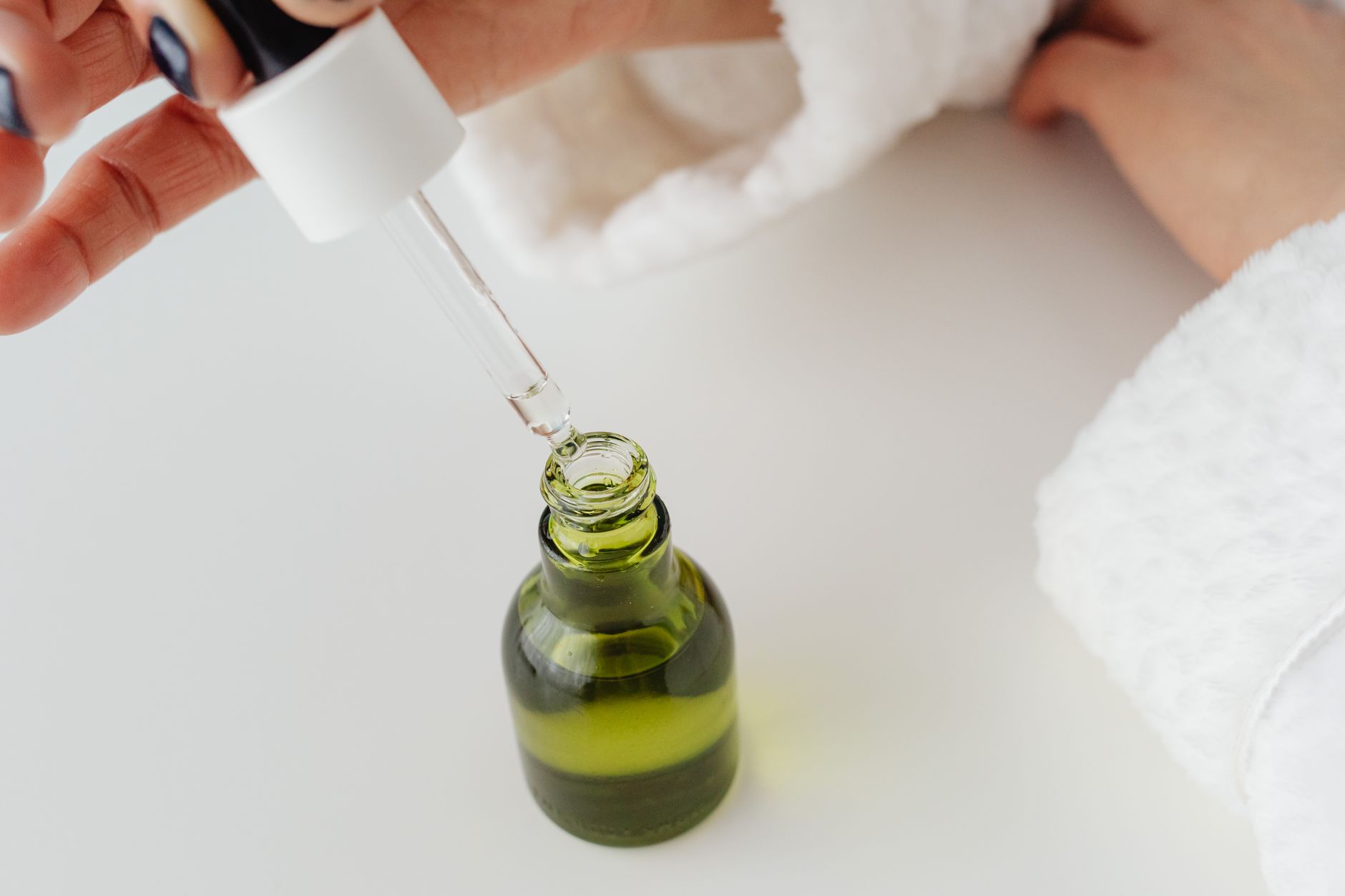
Tea tree oil in a 5% gel can improve mild-to-moderate acne, but it works more slowly than 5% benzoyl peroxide and can irritate skin. Tea tree oil is a distilled plant oil used here as a diluted acne treatment, not as pure essential oil dabbed on pimples.
Randomized trials link 5% gel to fewer inflamed and noninflamed lesions. The effect looks modest and the evidence base is small. That makes careful product choice and irritation control central to use.
Medical information disclaimer: This article is for general educational purposes only and does not provide medical advice, diagnosis, or treatment. Always consult a physician or other qualified health professional about symptoms, medications, tests, or treatment decisions.
Table of Contents
- What does the research show?
- How does it compare with benzoyl peroxide?
- Why does the 5% gel matter?
- Who faces the highest irritation risk?
What does the research show?
A randomized, double-blind, placebo-controlled trial found 5% tea tree oil gel significantly improved mild-to-moderate acne vulgaris. The result supports it as an active treatment rather than placebo. Confidence remains limited because the evidence base is thin. The Cochrane review found only low-quality evidence from a single 60-person trial, with about 7.5 fewer total lesions and better severity scores than placebo, according to the Cochrane review.
A 2026 clinical review of botanical acne therapies still ranked tea tree oil among the most consistently supported options. It attributed fewer inflammatory and noninflammatory lesions to antimicrobial and anti-inflammatory activity against Cutibacterium acnes. U.S. federal reviewers remain cautious and do not recommend it as standard care.
How does it compare with benzoyl peroxide?
A single-blind randomized trial in 124 patients with mild-to-moderate acne tested 5% tea tree oil gel against 5% benzoyl peroxide lotion. Both reduced inflamed and non-inflamed lesions, but tea tree oil had slower onset, according to the 1990 trial report. Tolerability favored tea tree oil in that trial.
Patients using tea tree oil reported fewer complaints of dryness, peeling, and irritation. The tradeoff is speed against comfort. Someone who needs faster clearing may prefer benzoyl peroxide. Someone who often peels or stings from benzoyl peroxide may tolerate tea tree gel better if acne is mild to moderate.
Why does the 5% gel matter?
Acne trials used manufactured 5% gel formulations, not 100% undiluted essential oil. Direct use of pure oil is inappropriate and raises irritation risk without tested benefit.
Mayo Clinic safety guidance advises using a diluted product, doing a spot test, and stopping with rash, stinging, burning, or redness, according to Mayo Clinic safety guidance. Practical use means buying the tested concentration rather than mixing drops at home.
- Choose a manufactured 5% tea tree gel for acne.
- Apply a thin layer to affected areas, not thick dabs on single spots.
- Test once on the jawline or behind the ear before wider use.
- Stop use for spreading redness, burning, stinging, rash, or peeling.
Who faces the highest irritation risk?
Tea tree oil can cause skin irritation and allergic contact dermatitis. Risk rises with concentrated, undiluted, or aged and oxidized oil. Patch-test surveillance found 41 of 2,320 patients reacted to oxidized tea tree oil, according to the Contact Dermatitis patch-test study.
People with eczema should avoid use. Keep the product away from eyes, never swallow it, and treat ingestion as capable of serious toxicity. Store bottles away from heat, light, and air, and discard oil that has thickened, darkened, or smells harshly resinous.