
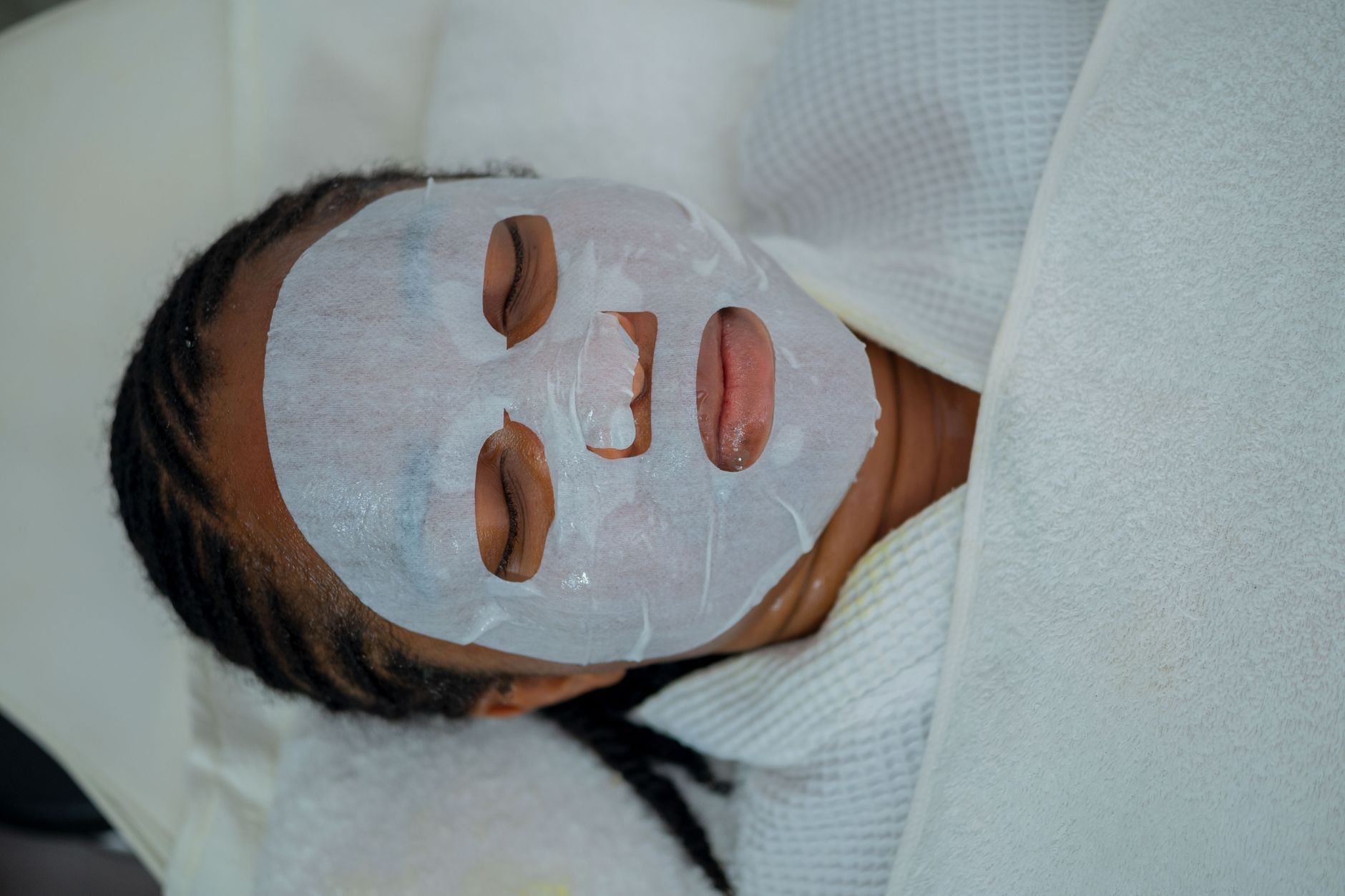
Skin purging is a short-term flare of small pimples after starting a cell-turnover active, while a breakout is new acne, irritation, or allergy caused by a product. Purging brings existing clogs to the surface faster, while a breakout creates new problems in new places.
Cell turnover means skin sheds dead cells and makes new ones faster. Retinoids, AHAs and BHAs, benzoyl peroxide, and chemical peels can start this process. Plain moisturizers or oils without those actives do not cause purging.
Medical information disclaimer: This article is for general educational purposes only and does not provide medical advice, diagnosis, or treatment. Always consult a physician or other qualified health professional about symptoms, medications, tests, or treatment decisions.
Table of Contents
- Which products can cause purging?
- How can you tell purging from a breakout?
- How long does a purge last?
- How do you get through a purge?
- When should you stop and get help?
Which products can cause purging?
Only cell-turnover actives can cause true purging. These include retinoids such as retinol, tretinoin, and adapalene, plus AHAs, BHAs, benzoyl peroxide, and chemical peels. SLMD Skincare by Sandra Lee, M.D.
states that plain moisturizers or oils without those actives do not cause purging, as described in the purging versus breaking out guide. These actives speed shedding and push tiny clogs called microcomedones upward sooner. Those clogs would have surfaced later as pimples anyway. Purging does not create entirely new acne from clear skin.
How can you tell purging from a breakout?
Location gives the first clue. Purging usually appears in your usual breakout zones as small, uniform whiteheads or papules. Bumps in brand-new areas point more toward breakout or irritation.
Look and feel give the second clue. Purging lesions tend to be small and similar, and they heal faster. Cystic, severely inflamed, painful, or very uneven bumps point more toward breakout, irritation, or allergy.
How long does a purge last?
A purge usually resolves within about 4-6 weeks, or about one skin cycle. Health, in a dermatologist-reviewed explainer, reports fewer breakouts may take 4-8 weeks and full clearing up to about 16 weeks after starting a retinoid or acid product, as noted in the skin-purging explainer.
That timeline helps set expectations. Early flares in week two or three can still fit a purge. Steady improvement after week four supports staying the course when irritation is mild.
How do you get through a purge?
The American Academy of Dermatology's 2024 acne guidelines strongly recommend topical retinoids and benzoyl peroxide because they unclog pores and reduce acne bacteria and inflammation, according to reporting on the updated acne guidelines. Those same actives most often cause purging, so early flares do not mean the treatment cannot work.
Dermatologists advise a slow start to improve tolerance. Use a gentle cleanser, light moisturizer, and daily sunscreen, since retinoids raise sun sensitivity.
- Start retinol every other or every third night
- Use a pea-sized amount at night for the whole face
- Moisturize well and avoid extra acids, scrubs, or peels
- Wear sunscreen daily during treatment
When should you stop and get help?
Purging is a clinical pattern, not a formal diagnosis. Time and severity draw the line between waiting and acting.
Stop the product if flares persist beyond 6-8 weeks, spread, worsen, or turn painful. Also stop for warning signs: See a dermatologist promptly for severe irritation, spreading rash, or acne that keeps worsening after eight weeks.
- Swelling, blistering, severe burning, or rash
- Eczema-like patches or sunburned skin
- Painful cysts or signs of allergy