
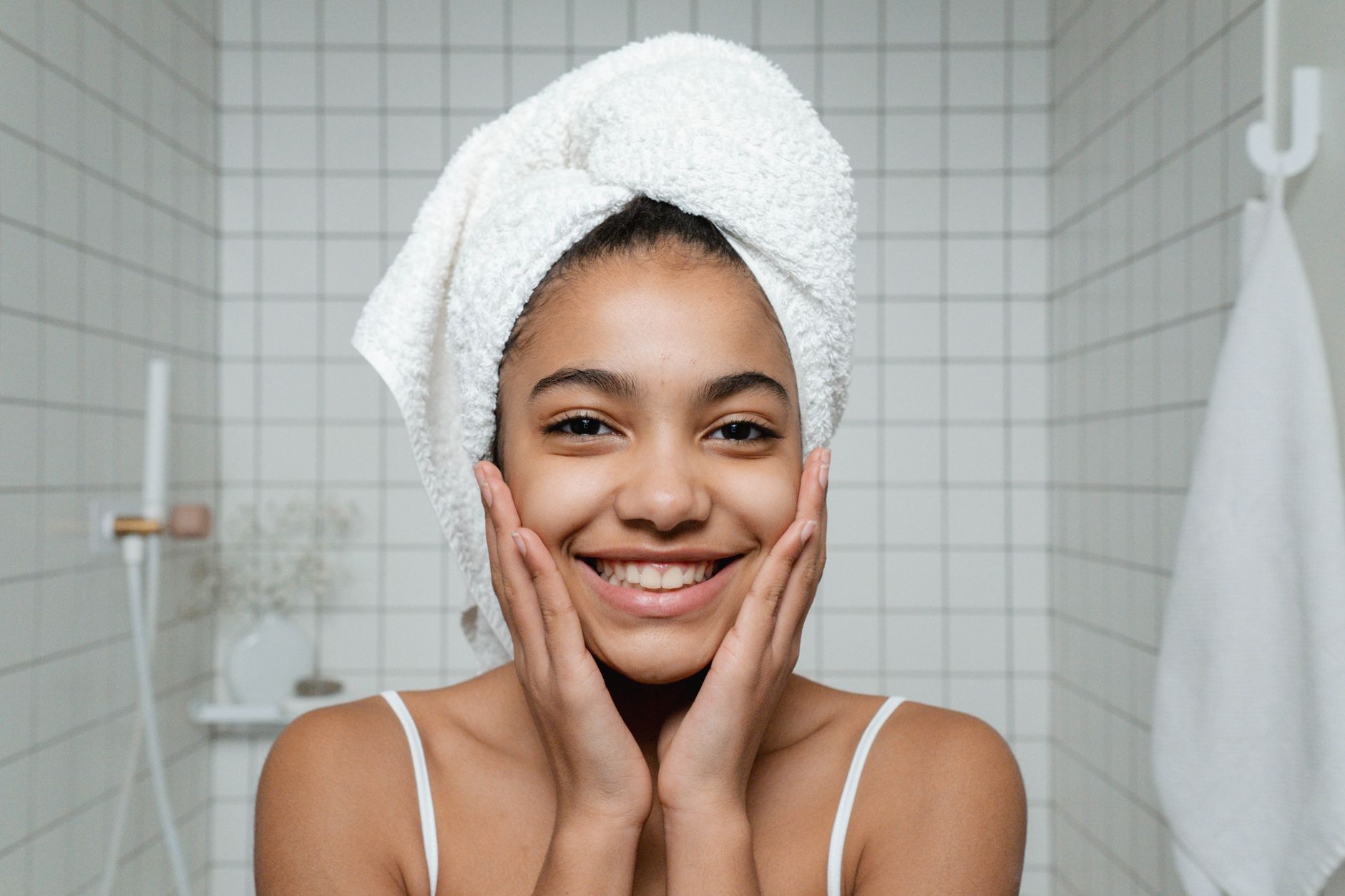
Retinol, a mild over-the-counter retinoid made from vitamin A, is generally safe to start around ages 15 to 16 for cosmetic concerns. Younger teens should use it only for persistent acne with a parent and clinician supervising care.
That timing reflects skin maturity, not a legal cutoff. Schweiger Dermatology Group reports no legal minimum age for retinol Schweiger Dermatology Group guidance on starting retinol. Most dermatologists advise waiting until about 15-16 for cosmetic use and limiting earlier use to persistent acne under supervision.
Medical information disclaimer: This article is for general educational purposes only and does not provide medical advice, diagnosis, or treatment. Always consult a physician or other qualified health professional about symptoms, medications, tests, or treatment decisions.
Table of Contents
- Why Most Teens Can Skip Anti-Aging Retinol
- Which Retinoids Can Younger Teens Use for Acne?
- What Side Effects Should Teens Expect?
- How Should a Teen Start Safely?
Why Most Teens Can Skip Anti-Aging Retinol
Teen skin still makes plenty of collagen, so wrinkles are not the issue. Its barrier is still maturing and can turn red or flaky with strong actives.
A Healthier Michigan, citing UCLA Health and CHOC, says teens do not need retinol for anti-aging and do better with cleanser, moisturizer and sunscreen guide to products teenagers should avoid. For most teens, daily sunscreen, mild face wash and light moisturizer keep skin steady. Adding retinol for glow or prevention often brings irritation without visible benefit.
Which Retinoids Can Younger Teens Use for Acne?
Acne changes the picture. The American Academy of Dermatology recommends topical retinoids, alone or in fixed combinations, for acne in adults, adolescents and preadolescents ages 9 and older Medscape summary of the AAD acne guidelines. The U.S.
Food and Drug Administration approved adapalene 0.1% gel for over-the-counter acne treatment in people ages 12 and older FDA approval summary for OTC adapalene. Children's Hospital of Orange County advises retinol is not appropriate for preteens unless a doctor prescribes it for acne. According to Galderma, an adapalene plus benzoyl peroxide combination later received the same OTC clearance for ages 12 and older.
What Side Effects Should Teens Expect?
Retinoids can cause dryness, redness, peeling, irritation, rash and greater sunburn susceptibility. A Healthier Michigan review notes these effects require daily broad-spectrum sunscreen plus protective clothing during use.
Expect mild flaking and tightness during the first two to three weeks. Reduce frequency, add moisturizer and keep sun exposure low if burning or peeling builds.
How Should a Teen Start Safely?
Start only if a parent and clinician agree retinol fits the acne problem. Schweiger Dermatology Group advises beginners to use low-strength 0.1-0.3% retinol only a few nights per week, with stronger prescription retinoids needing dermatologist guidance. A simple routine lowers irritation risk.
Wash, treat, moisturize and protect in that order. Raise to every other night only if skin stays calm after several weeks. Pause use and contact the dermatologist for spreading rash, swelling or blistering.
- Wash with mild cleanser and pat skin dry.
- Apply pea-sized retinol to dry face two nights weekly.
- Moisturize after, and use sunscreen each morning.