
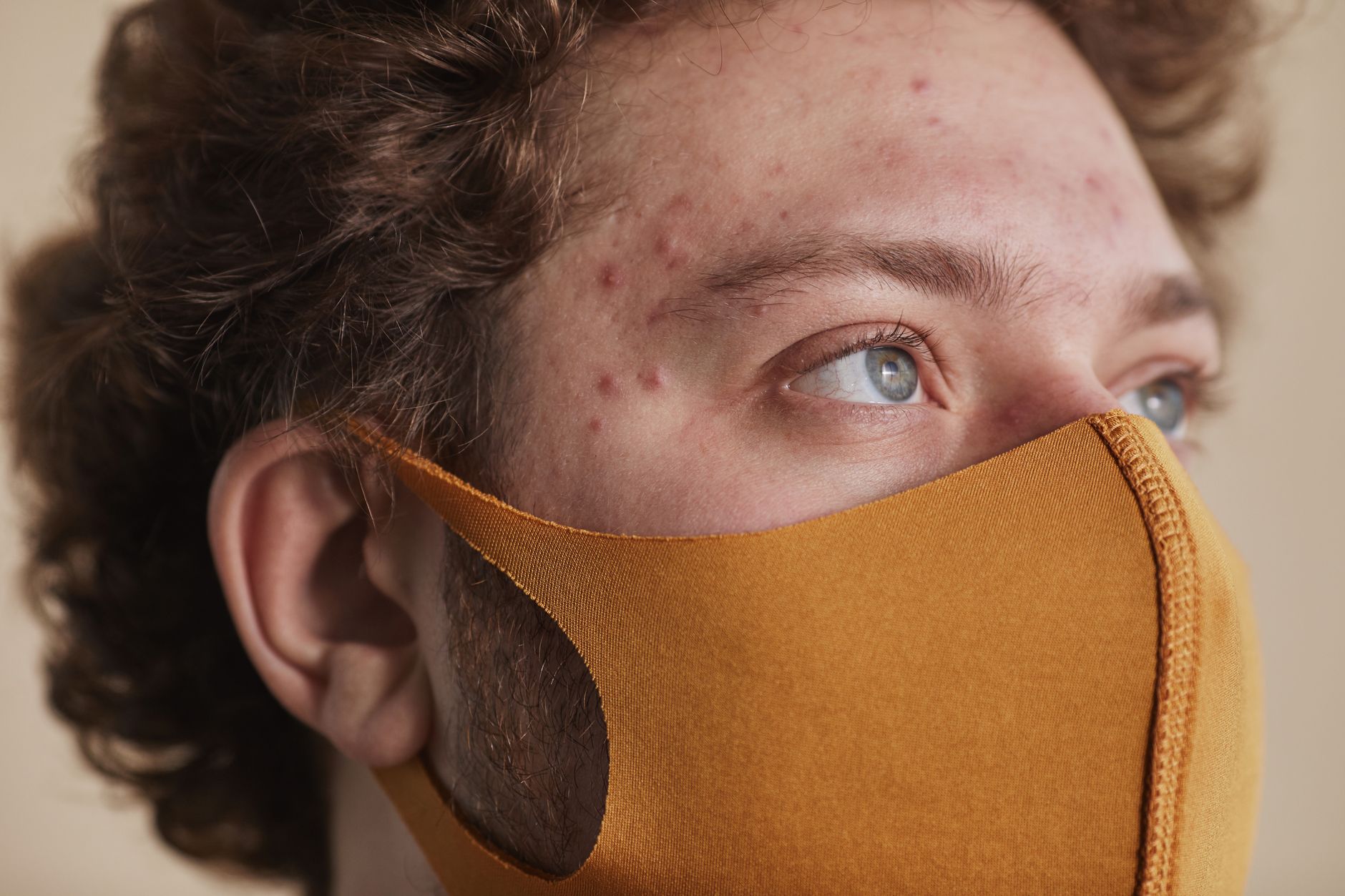
The 2026 Global Delphi Consensus says acne-prone skin usually reflects an imbalance among bacterial strains, not simply too many bacteria. Protective strains help stabilize barrier, pH and inflammation, while acne-associated C.
acnes clades dominate lesions. Microbial strains are genetic variants within one bacterial species. The consensus integrated international expertise to guide prevention and treatment, describing commensal Staphylococcus epidermidis and Cutibacterium acnes strains as partners in immune balance, sebum regulation and barrier integrity.
Medical information disclaimer: This article is for general educational purposes only and does not provide medical advice, diagnosis, or treatment. Always consult a physician or other qualified health professional about symptoms, medications, tests, or treatment decisions.
Table of Contents
- Which C. acnes strains track with acne?
- Which microbes look protective?
- What did the 2026 consensus advise?
- What can you do with this information?
- Frequently Asked Questions
Which C. acnes strains track with acne?
A U.S. National Library of Medicine / PMC review reports that clades IA-2, mainly ribotypes RT4 and RT5, IB-1, mainly RT8, and IC, mainly RT5, occur strongly with acne lesions rather than healthy follicles, described in the strain review in the U.S. National Library of Medicine collection. These are acne-associated variants, not the whole C. acnes population.
Greater severity is linked to predominance of virulent C. acnes phylogroups, altered S. epidermidis diversity, higher alpha diversity and more Gram-negative bacteria such as Klebsiella and Bacteroides. Association is not absolute because IA-1, IB-2 and IB-3 occur in patients and healthy people, and total C. acnes abundance can look similar. Strain-level balance matters more than total bacterial load.
Which microbes look protective?
Type II C. acnes strains including RT2 and RT6 are associated with healthy, acne-free skin, with RT6 reported as 99% associated with healthy skin. These variants are part of normal follicle ecology rather than lesion ecology. Certain S. epidermidis strains can limit C.
acnes overgrowth and inflammation through antimicrobial activity and succinic-acid suppression of C. acnes growth, according to a PubMed-indexed Dermatology review, described in the dermatology review indexed on PubMed. In balanced skin, commensal S. epidermidis and C. acnes strains support immune synergy, pH balance, sebum regulation and barrier integrity.
What did the 2026 consensus advise?
The Delphi panel unanimously supported microbiome-targeted acne management. Panelists strongly agreed on probiotics and on including prebiotics, probiotics and postbiotics in therapy, according to the MDPI Pharmaceuticals consensus, described in the consensus paper in MDPI Pharmaceuticals.
The goal is prevention plus treatment that preserves useful microbes. That means protecting health-associated strains while reducing the activity of acne-promoting strains, rather than broadly eliminating skin bacteria.
What can you do with this information?
Researchers propose increasing health-associated C. acnes strains while reducing acne-promoting strains, potentially combining probiotics with bacteriophages that kill acne-associated C.
acnes. These are pipeline directions, not do-it-yourself prescriptions. For acne-prone skin, practical next steps include:.
- Ask your dermatologist whether your routine supports barrier, pH and microbial balance.
- Bring persistent, painful, scarring or spreading acne for medical care rather than adding more harsh products.
- Discuss prebiotic, probiotic or postbiotic options before starting one, especially with antibiotics, retinoids or isotretinoin.
- Avoid picking lesions, overwashing and rapidly switching many active products.
Frequently Asked Questions
If C. acnes lives on healthy skin, why treat it?
Treatment aims at the balance among strains. Lesions favor particular acne-associated clades, while healthy follicles favor other C. acnes variants.
Should I buy a probiotic or phage product because of this research?
Talk with your dermatologist first. Researchers have proposed probiotic-plus-phage approaches, but product choice depends on your acne type, severity and current treatment.
You Might Also Like
- The 2026 Global Delphi Consensus on Acne and the Microbiome: What the Research Means for People With Acne-Prone Skin
- Probiotics for Acne in a 2026 Systematic Review and Meta-Analysis: What the Research Means for People With Acne-Prone Skin
- Microbiome-Friendly Acne Care Questions Raised in 2026: Evidence Limits and Open Questions for People With Acne-Prone Skin