
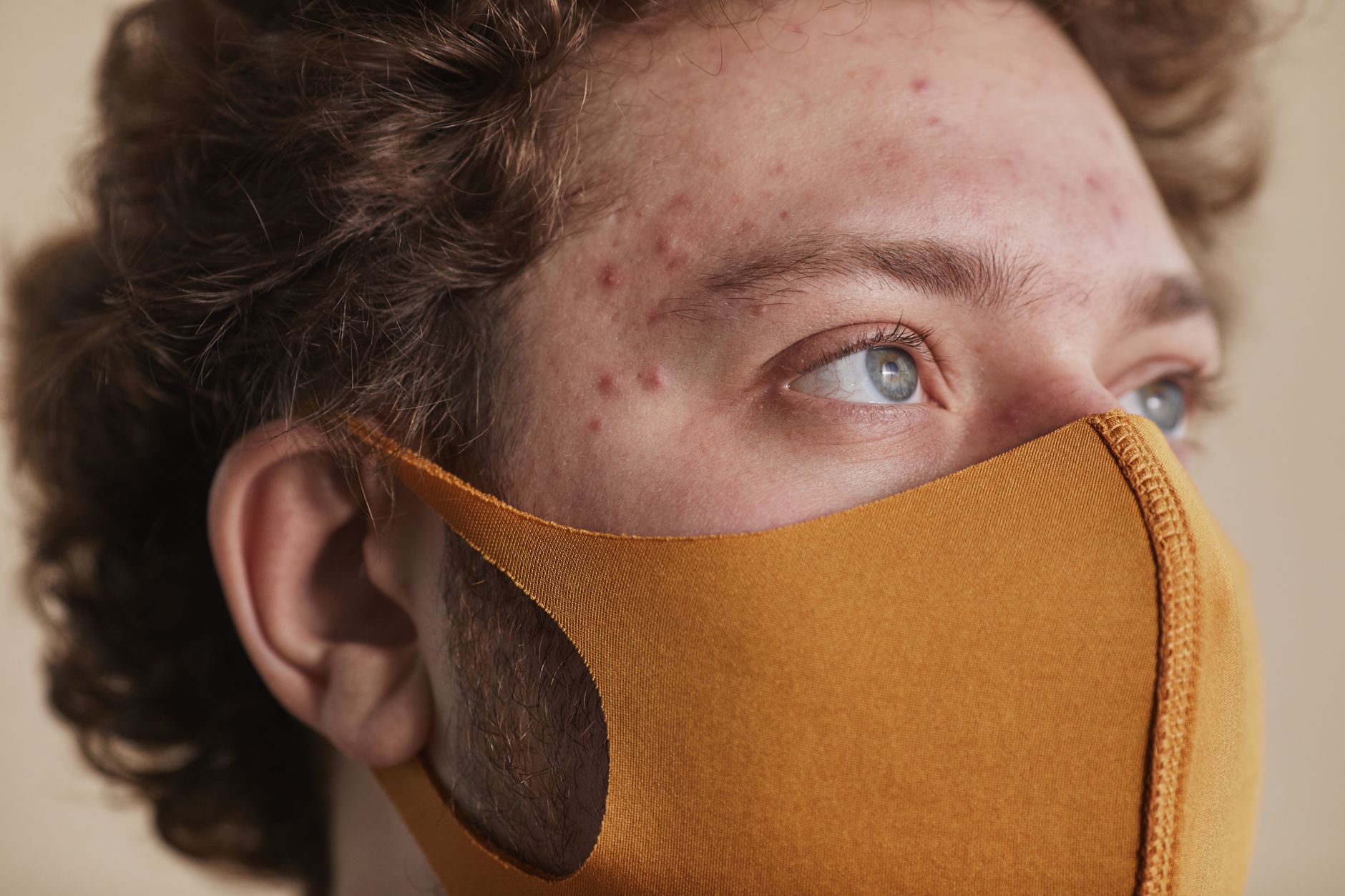
Protective strains, meaning genetic variants, include C. acnes RT2 and RT6; acne-linked strains include phylotype IA1, SLST A1, RT4, RT5 and RT8. For acne-prone skin, benefit depends on the exact strain, and no topical probiotic is FDA-approved for acne.
The Global Delphi Consensus in MDPI Pharmaceuticals frames commensal S. epidermidis and C. acnes strains as supporting barrier, pH and immune balance before dysbiosis drives acne the 2026 consensus statement. Dysbiosis means a shift in the skin microbial community that favors breakouts.
Medical information disclaimer: This article is for general educational purposes only and does not provide medical advice, diagnosis, or treatment. Always consult a physician or other qualified health professional about symptoms, medications, tests, or treatment decisions.
Table of Contents
- Which C. acnes types link to breakouts?
- Which strains look protective?
- Why does the exact S. epidermidis strain matter?
- What should acne-prone skin check before trying live products?
Which C. acnes types link to breakouts?
Acne lesions show loss of C. acnes phylotype diversity with dominance of phylotype IA1, especially SLST A1, rather than higher total bacterial load alone. The Scientific Reports study reports this diversity loss as the key lesion pattern the strain-diversity analysis.
Phylotype means a genetic subgroup within the species. Ribotypes RT4, RT5 and RT8, mainly clades IA-2, IB-1 and IC, are enriched in acne lesions. The Microorganisms review links them to greater biofilm formation and pro-inflammatory activity in lab and mouse models. Biofilm means clustered bacteria that stick to surfaces and resist removal.
Which strains look protective?
Ribotypes RT2 and RT6, including phylotype II and SLST H1 and H2 phylotype IB strains, occur mostly on healthy skin. The Journal of Clinical Medicine review describes them as commensal, non-acnegenic and potentially protective. Commensal means normally living on skin without causing disease.
That distinction matters because C. acnes is not uniformly harmful. Protective variants coexist with barrier-supporting microbes on clear skin. Acne reflects which subgroups dominate, not mere presence of the species.
Why does the exact S. epidermidis strain matter?
Certain S. epidermidis strains protect acne-prone skin by making short-chain fatty acids and succinic acid. The Microbiota and Health Disease journal reports these acids inhibit C. acnes and Staphylococcus aureus overgrowth, but activity is strain-specific the S. epidermidis strain study. Overgrowth means excess growth that disrupts balance.
A related strain, S. epidermidis 12228, did not inhibit C. acnes growth in screening. The bioRxiv topical-cream preprint reports that negative result. People with acne-prone skin cannot assume every S. epidermidis-containing live product is protective.
What should acne-prone skin check before trying live products?
No topical probiotic is FDA-approved, and live acne microbes intended to treat disease face drug regulation. The PMC review citing FDA categorization says they require safety, genome-stability and shedding data as live biotherapeutic products, not cosmetics the FDA categorization review. Shedding means release of live microbes from treated skin.
Acne studies of probiotics report fewer lesions and better barrier function with generally low irritation. The PubMed scoping review from January 2025 also notes responses vary by strain and rare side effects occur. Practical checks for acne-prone users include:.
- confirm the exact strain on the label, not only the species
- do not assume all S. epidermidis products act the same way
- patch-test first and seek dermatologic advice if irritation or flare occurs
You Might Also Like
- The 2026 Global Delphi Consensus on Acne and the Microbiome: Safety and Skin-Reaction Questions for People With Acne-Prone Skin
- Why the 2026 Probiotic and Secretome Paper Reports No Trial Results Yet: Safety and Skin-Reaction Questions for People With Acne-Prone Skin
- The 2026 Oral Probiotic and Topical Secretome Acne Trial Protocol: Safety and Skin-Reaction Questions for People With Acne-Prone Skin