
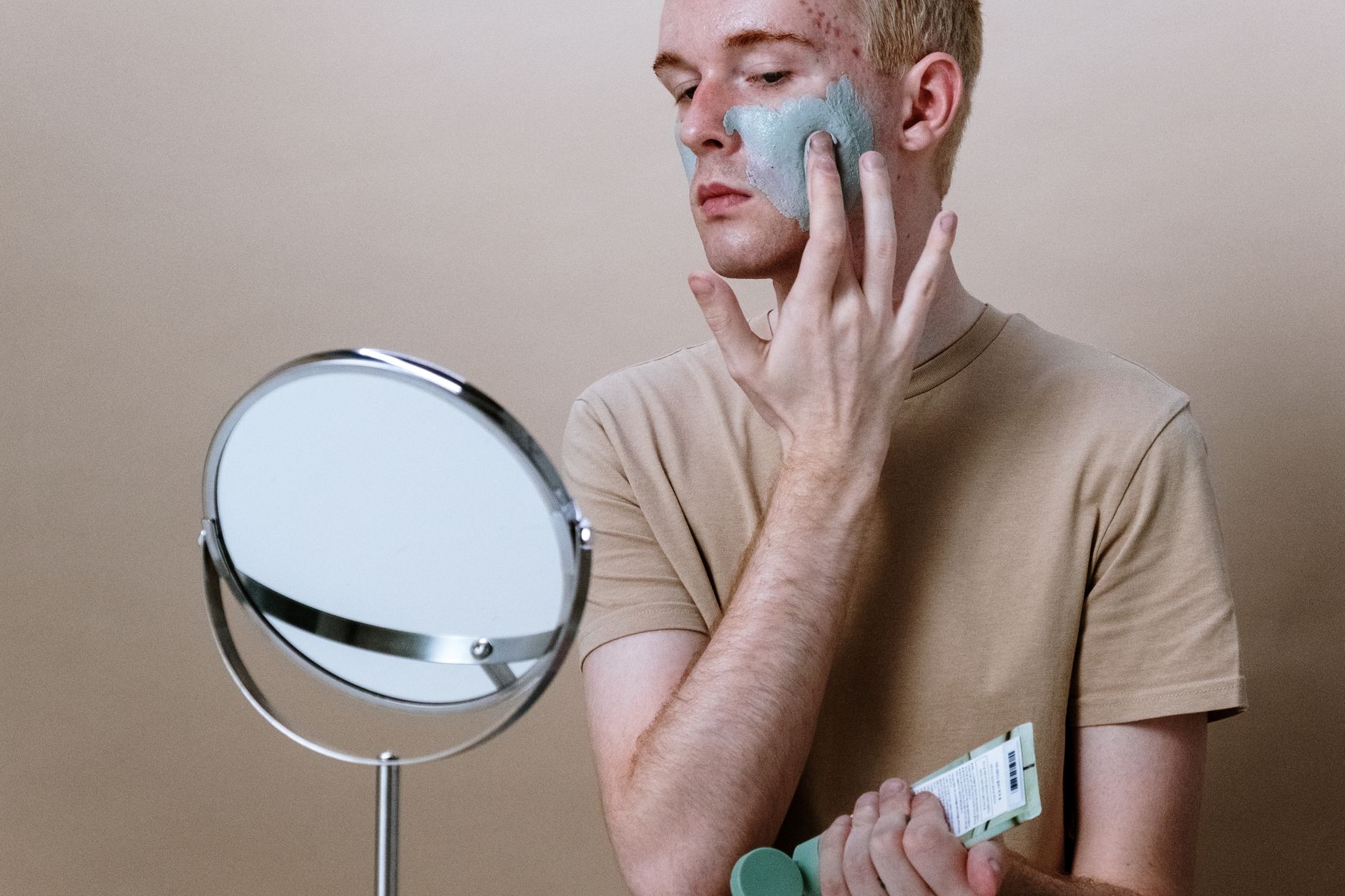
Probiotics — live beneficial bacteria taken by mouth or applied to skin — show modest help for acne when added to proven treatment. Research so far points to fewer lesions and good tolerance, not a cure or replacement. The clearest gains appear in mild-to-moderate acne in teens and adults. Effects vary by strain, dose, and treatment length, so expectations should stay cautious.
Medical information disclaimer: This article is for general educational purposes only and does not provide medical advice, diagnosis, or treatment. Always consult a physician or other qualified health professional about symptoms, medications, tests, or treatment decisions.
Table of Contents
- What improved in trials?
- Why do reviews disagree?
- How might probiotics affect acne?
- How should you use them?
What improved in trials?
A 33-study review in 2,112 acne patients linked probiotics with about 45.2% mean total-lesion reduction, compared with about 37% in controls, as reported in the 33-study review in Dermatology and Therapy. Tolerance was favorable across the included studies. A separate review of three double-blind trials found fewer inflammatory lesions with oral probiotics, according to the meta-analysis in Medicina.
The benefit was modest, with a standardized mean difference of −0.57. In a 12-week trial in 20 adults, Lactobacillus rhamnosus SP1 at 3 billion CFU daily lowered skin IGF-1 gene expression 32% and raised FoxO1 65%. Clinical acne improved alongside those skin-signal changes.
Why do reviews disagree?
A GRADE review of five Lactobacillus-only trials in 332 patients found no significant drop in inflammatory, non-inflammatory, or total lesions versus placebo or benzoyl peroxide. That result applies to Lactobacillus-only products, not every strain or mix.
Small size, varied strains, doses, durations, and outcome measures make results hard to compare. Harvard and AAD guideline experts also note possible publication bias, which can make benefits look larger.
How might probiotics affect acne?
Researchers describe two main routes through the gut-skin axis. Oral strains may lower systemic inflammation and insulin signaling tied to oil production and clogged pores.
Topical strains may strengthen the skin barrier and release antimicrobials that inhibit Cutibacterium acnes. These paths are proposed mechanisms, and strain choice likely decides which effect occurs.
How should you use them?
Trials with the strongest practical signal used probiotics alongside standard care. Adjunct use with doxycycline, isotretinoin, or benzoyl peroxide plus adapalene improved lesion clearance and sebum or barrier measures versus drug alone.
They fit best as an add-on for acne-prone teens and adults, not a substitute for proven therapy. Practical steps help keep use safe and simple:.
- Keep your prescribed acne treatment and add a probiotic only with clinician input.
- Choose one product, strain, and dose, then judge change over 8 to 12 weeks.
- Stop added irritation early and track lesions, oiliness, dryness, and side effects.
- People who are immunocompromised should ask a clinician first, since the NIH Office of Dietary Supplements fact sheet notes rare serious infections in that group.