
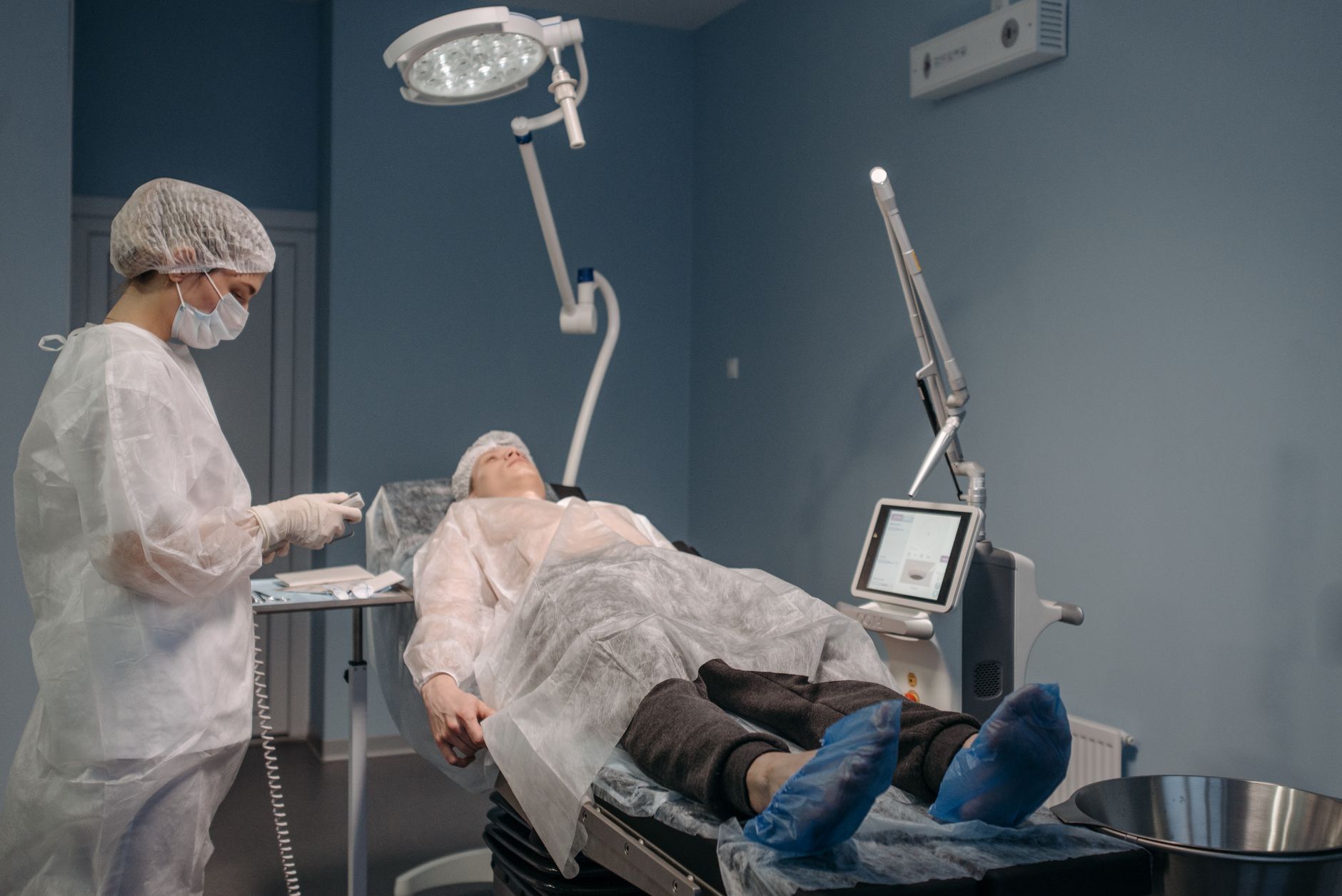
Both lasers improved indented acne scars equally in the September 2026 trial. Satisfaction was higher and recovery was shorter on the picosecond side. Atrophic scars are indented scars left when healing produces too little collagen.
The trial enrolled 27 adults with these scars. Each person received 755-nm picosecond laser on one cheek and 1565-nm nonablative fractional laser on the other. Springer Nature / Lasers in Medical Science published the trial report on 2 Sept 2026.
Medical information disclaimer: This article is for general educational purposes only and does not provide medical advice, diagnosis, or treatment. Always consult a physician or other qualified health professional about symptoms, medications, tests, or treatment decisions.
Table of Contents
What the trial tested
Patients received three split-face sessions spaced four weeks apart. Doctors checked results at one, two and three months after the last session. Scar appearance improved significantly on both sides by ECCA score, investigator rating and patient self-rating.
The key result was a tie on efficacy. Statistical tests showed strong improvement from baseline on each side, with P less than 0.001, but no significant difference between sides. Patient satisfaction favored picosecond-DLA, with P equal to 0.035.
How the two lasers work
Picosecond-DLA uses ultra-short 755-nm pulses plus a diffractive lens. The lens creates tiny zones of laser-induced optical breakdown inside skin. That process sparks collagen remodeling without removing the surface, as described in a JAMA Dermatology study of 755-nm picosecond treatment for acne scarring.
The 1565-nm nonablative fractional laser uses fractional photothermolysis. It forms narrow columns of heat in the dermis, called microthermal zones. Those zones trigger collagen regrowth and vessel remodeling with less downtime than ablative lasers, according to the Journal of Cosmetic Dermatology review of 1565-nm fractional treatment.
Which option fits which patient?
Both options improve scars, so comfort and schedule often decide. A split-face comparison of 1550-nm NAFL and 755-nm picosecond-DLA found patients who want little-to-no downtime may reasonably pick picosecond-DLA after talking through pain, redness and cost in the split-face comparison. Consider these practical points with your dermatologist:.
- pick picosecond-DLA if short recovery and higher comfort matter most
- pick either laser if your main goal is visible scar softening over several months
- discuss pain control, expected redness, sun protection and total cost before booking
Limits to keep in mind
The findings apply to adults with atrophic scars who want resurfacing without excision. The group was small, with only 27 patients.
Follow-up stopped three months after final treatment. That short window limits answers on long-term recurrence, pigment risk and darker skin types. Ask how your scar type, skin tone, melasma history and sun exposure affect your plan.
You Might Also Like
- Vitamin C, Vitamin E, and Ferulic Acid After Acne Scar Laser in 2026: Questions People With Atrophic Acne Scars Can Ask Before a Procedure
- Antioxidant Serum After Fractional CO2 Acne Scar Treatment in 2026: Sample Size and Evidence Limits for People With Atrophic Acne Scars
- Herbal Acne Trial Safety and Evidence Limits in 2026: A Source-Checked 2026 Briefing for Adults With Persistent Acne