
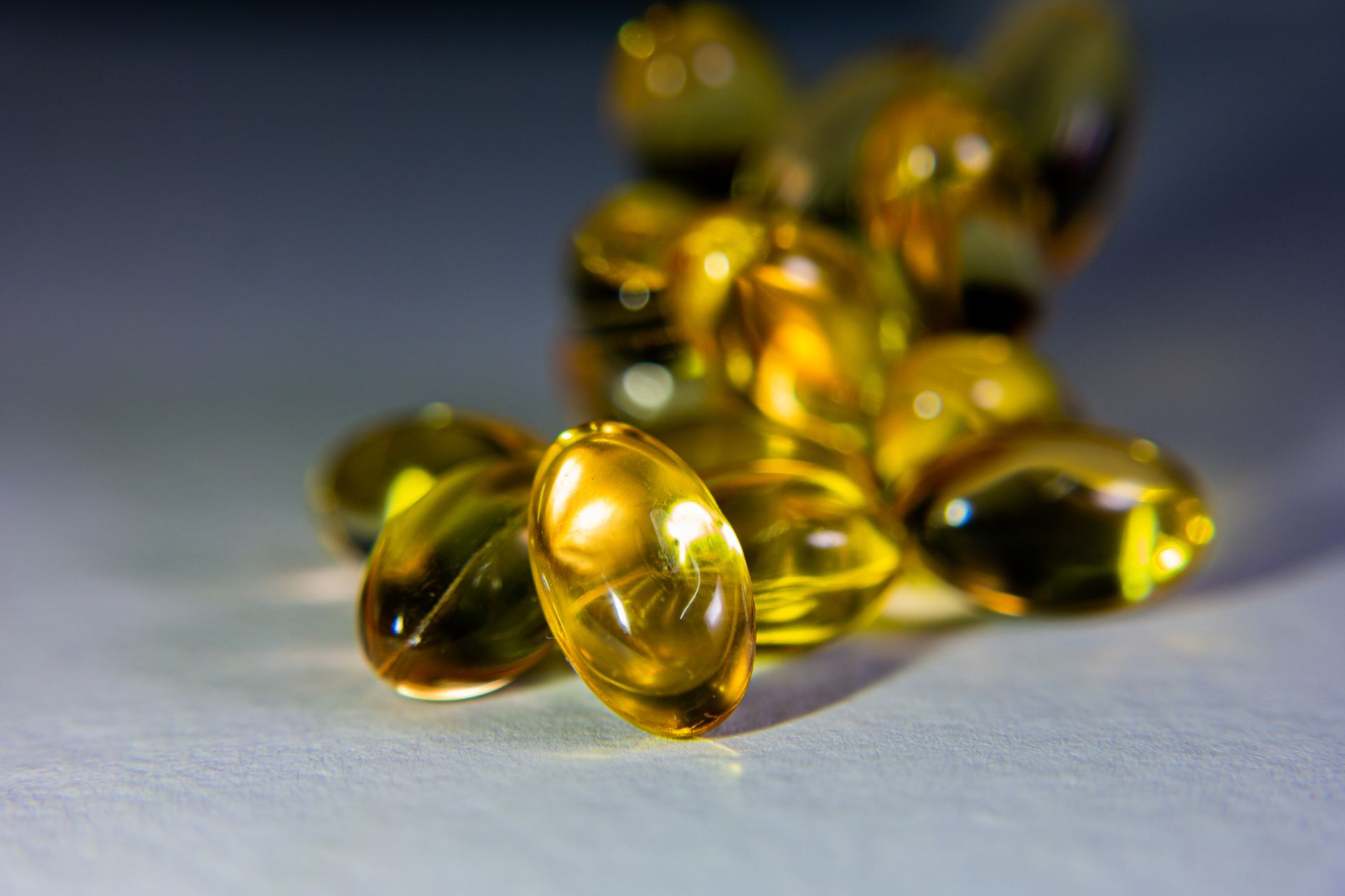
The 2026 diet review supports heart-healthy patterns such as DASH and Mediterranean-style eating, not an acne cure for teens. Omega-3 balance showed early lesion improvement in one adult study, but teen benefit is not proven.
Omega-3 balance here means the HS-Omega-3 Index, a blood measure of EPA and DHA against an 8-11% target range. Penn State Health notes acne affects about 85% of people ages 12-24 in its back-to-school guide back-to-school acne overview. That overlap explains why families ask about diet changes.
Medical information disclaimer: This article is for general educational purposes only and does not provide medical advice, diagnosis, or treatment. Always consult a physician or other qualified health professional about symptoms, medications, tests, or treatment decisions.
Table of Contents
- What the 2026 review actually covered
- Why omega-3 balance entered the acne conversation
- What the 16-week acne study found
- Why teen results are still separate
- What families can do now
What the 2026 review actually covered
Pennington Biomedical Research Center reports DASH was named best heart-healthy diet and second-best overall 2026 diet summary. The emphasis was heart health and overall eating quality.
For 2026, U.S. News moved from annual rankings to Top Health and Nutrition Trends for 2026. The Olive Wellness Institute notes the guidance still favors a Mediterranean-style pattern rich in extra-virgin olive oil.
Why omega-3 balance entered the acne conversation
A Munich cross-sectional study of 100 acne patients found 94 of 98 tested had an index below 8%, according to Life/MDPI. The finding documents frequent low values in that clinic group.
Low values alone do not show food caused breakouts. They prompted a follow-up test of Mediterranean eating plus algae EPA and DHA.
What the 16-week acne study found
HCPLive reporting on the Munich team describes 60 mild-to-moderate acne patients using plant-focused Mediterranean diet plus algae EPA/DHA study coverage. Mean index rose from 4.9% to 8.3%.
Inflammatory and noninflammatory lesions improved significantly during the program. Diet counseling and supplements were tested together, not separately.
Why teen results are still separate
The program was single-site, averaged age 26.1, had no placebo arm, and combined two changes at once, according to HCPLive. That design tests the package in adults.
The Ludwig Maximilian University team called diet a possible adjunct rather than a replacement for prescription acne care, via HCPLive. The team urged future randomized placebo-controlled trials before making dietary recommendations.
What families can do now
Keep proven care in place and treat food changes as an add-on question. Prescription retinoids, benzoyl peroxide, antibiotics, and hormonal options work through routes diet does not replace. Bring current prescriptions, over-the-counter products, and any oils or capsules to that visit.
- Keep the current prescription routine unless the prescriber changes it
- Ask the dermatologist or pediatrician before adding algae oil capsules
- Bring a short log of breakouts, meals changed, and products used
You Might Also Like
- Omega-3 Balance and Acne Questions in the 2026 Diet Review: Balanced-Nutrition Questions for Teens With Acne
- Diet and Acne Facts and Controversies in the 2026 Review: Balanced-Nutrition Questions for Teens With Acne
- Why the 2026 Acne Diet Review Warns Against Restrictive Regimens: A Food and Breakout Tracking Plan for Teens With Acne