
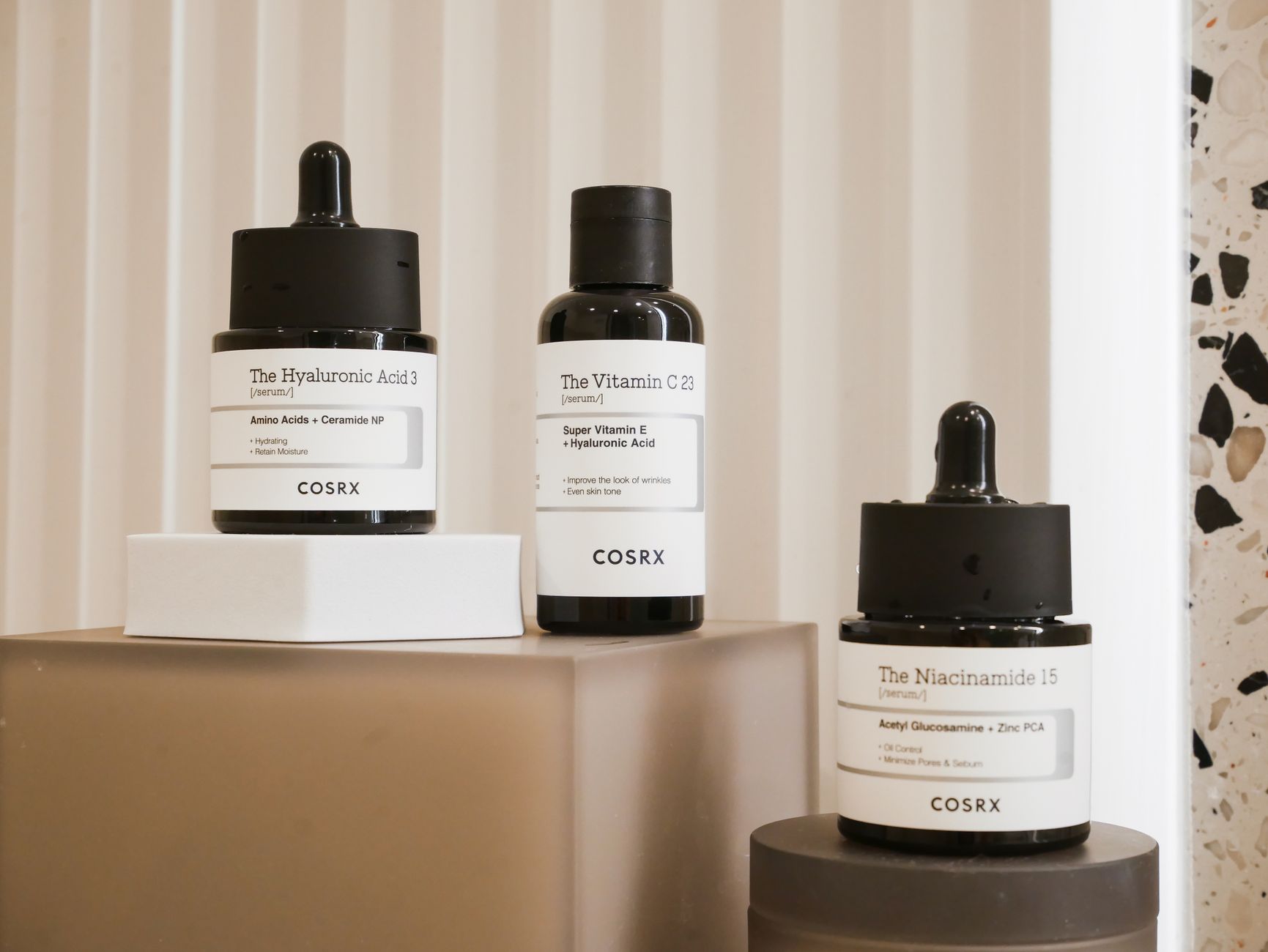
Current evidence supports topical niacinamide for mild-to-moderate acne, dark spots and blotchiness, fine lines, and dry, weakened barrier. Niacinamide is a form of vitamin B3 used in creams, moisturizers, and gels, most often at 4% to 5% for skin. It is not a sunscreen, bleach, or solo cure for severe acne. Oral nicotinamide at high dose helped only a narrow high-risk group in trials, so daily skin care remains the practical use for most readers.
Medical information disclaimer: This article is for general educational purposes only and does not provide medical advice, diagnosis, or treatment. Always consult a physician or other qualified health professional about symptoms, medications, tests, or treatment decisions.
Table of Contents
- What does it do for tone, lines, and texture?
- How does it help acne and oily skin?
- Do niacinamide pills prevent skin cancer?
- How should you use it day to day?
What does it do for tone, lines, and texture?
In a 12-week double-blind split-face trial in 50 women aged 40-60, twice-daily 5% niacinamide moisturizer improved fine lines and wrinkles, dark spots, texture, and red blotchiness versus vehicle. The International Journal of Cosmetic Science published the trial, described in the split-face trial summary. It lightens spots by slowing transfer of melanin packets from pigment cells to surface cells.
Practical Dermatology explains this action in its review of niacinamide trials, which produces gradual fading rather than bleaching. Expect subtle change over weeks, not days. It suits blotchy tone, rough feel, and early lines more than deep wrinkles or dense melasma.
How does it help acne and oily skin?
For mild-to-moderate acne, 2.5% benzoyl peroxide plus 5% niacinamide reduced lesions and sebum more than peroxide alone. Pharmacy Times reports that 4% nicotinamide also matched 1% clindamycin with no significant difference, in its acne treatment review. Less oil, less water loss, and a stronger barrier make breakouts less likely to leave dry, irritated patches.
Pharmacy Times notes more ceramide and keratin production, faster cell maturation, and lower water loss. It works best paired with proven acne care, not as a lone treatment for painful nodules, deep cysts, or scarring acne. People with those signs need prompt medical care and prescription options.
Do niacinamide pills prevent skin cancer?
In the ONTRAC phase 3 trial, 386 high-risk adults taking 500 mg nicotinamide twice daily for 12 months developed 23% fewer new nonmelanoma skin cancers and fewer precancerous spots than placebo users. That result applied to immunocompetent adults with heavy prior sun damage. The same 12-month regimen did not help transplant recipients on immune-suppressing drugs, with 207 versus 210 new cancers and a rate ratio of 1.0.
This sharp limit means oral use is population-specific. Do not self-start high-dose pills for tanning, moles, or general prevention. Reserve oral nicotinamide for high-risk adults only under medical supervision.
How should you use it day to day?
Use a 4% to 5% cream, lotion, or gel once or twice daily on clean, dry skin. Apply before sunscreen in the morning, not instead of sunscreen.
Simple routine helps most users stay consistent: Cosmetic use is considered low-risk, with safety support from the Cosmetic Ingredient Review Expert Panel. Unlike niacin, it does not usually cause flushing, and irritation is typically mild.
- Cleanse gently, pat skin mostly dry.
- Apply a pea-sized amount of niacinamide product to face.
- Follow with moisturizer if needed, then sunscreen.
- Stop added acids or retinoids for a few days if stinging occurs.