
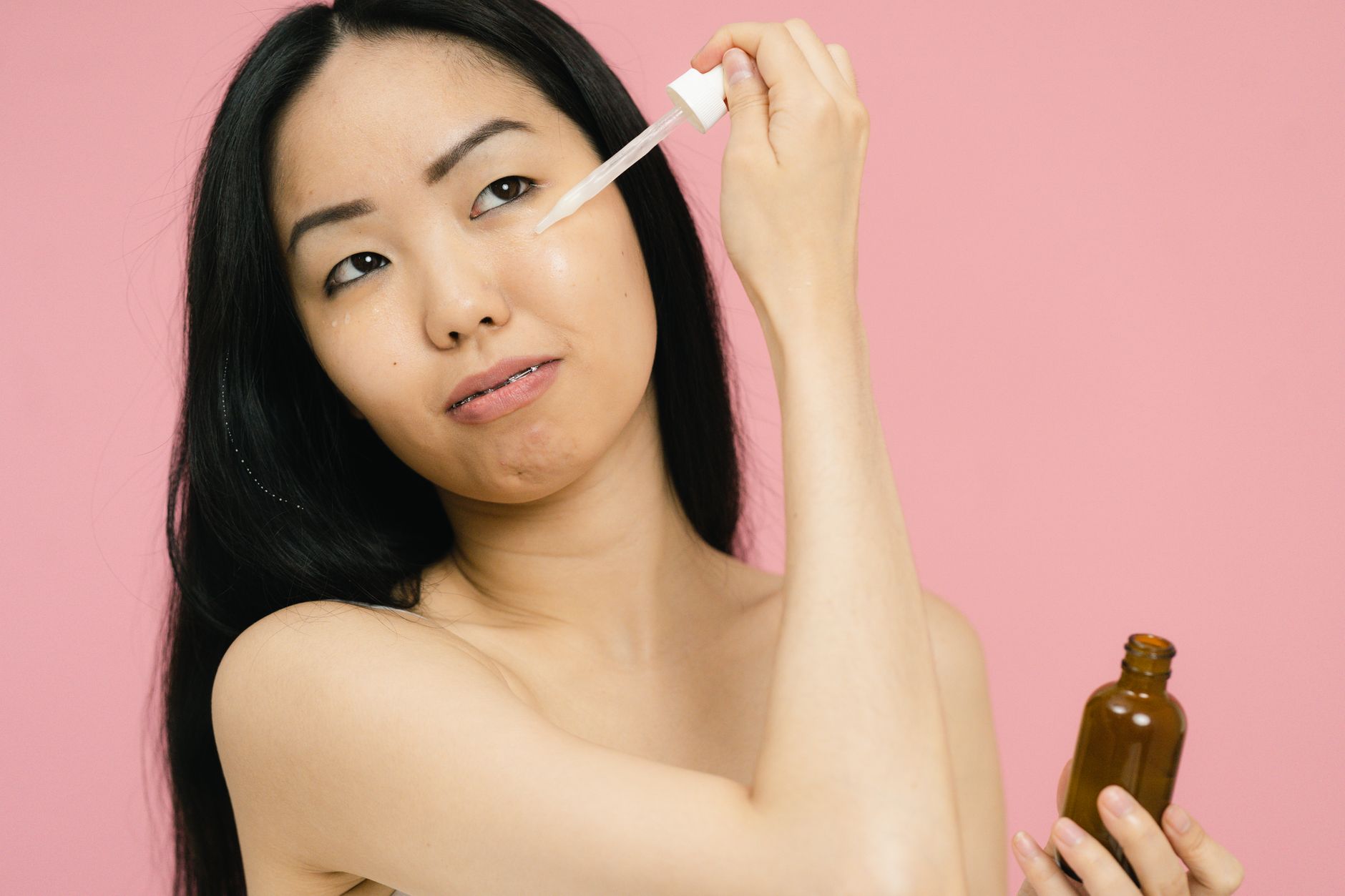
Niacinamide is the amide form of vitamin B3 that supports the skin barrier and eases inflammation and redness. It can help acne-prone and sensitive skin, but high-dose pills carry liver, blood-sugar and drug-interaction risks that need clinician guidance. For skincare readers, the practical split is simple: creams and serums act on the skin surface with mostly mild irritation. Pills work through the whole body and need closer medical review, especially at cancer-trial doses.
Medical information disclaimer: This article is for general educational purposes only and does not provide medical advice, diagnosis, or treatment. Always consult a physician or other qualified health professional about symptoms, medications, tests, or treatment decisions.
Table of Contents
- How does it help acne-prone skin?
- What can it do beyond breakouts?
- What side effects should readers expect?
- What should you ask a clinician?
How does it help acne-prone skin?
Niacinamide increases keratin and ceramide production, speeds skin-cell maturation and raises NADP levels. That stronger barrier holds moisture better and improves texture and fine lines, according to a Journal of Cosmetic Dermatology review by Gehring. It also calms inflammation and redness linked to acne, rosacea and eczema.
Cleveland Clinic dermatology guidance reports this calming effect in its niacinamide overview, including relief from irritation caused by strong exfoliants such as retinol. Unlike nicotinic acid, another form of vitamin B3, niacinamide does not usually cause skin flushing at usual doses. That difference, described by MedlinePlus in its medical encyclopedia entry, makes it easier to use daily in leave-on products.
What can it do beyond breakouts?
For dry or textured skin, better barrier function means less water loss and smoother feel. Readers using retinoids sometimes pair them with niacinamide to reduce peeling, burning and visible redness. The most-studied oral use is different.
In the phase 3 ONTRAC trial, 386 high-risk adults took 500 mg nicotinamide twice daily for 12 months. They developed 23% fewer new non-melanoma skin cancers than placebo recipients, as reported by Cancer Therapy Advisor covering the New England Journal of Medicine study by Chen and colleagues in its trial report. That result applies to a high-risk study group on a high prescription-like dose. It does not mean drugstore pills prevent skin cancer or clear acne alone.
What side effects should readers expect?
Oral niacinamide is likely safe at recommended intakes, but it can cause stomach upset, gas, dizziness, headache and rash. Creams can cause mild burning, itching or redness, especially on broken or very sensitive skin, according to the MedlinePlus supplements summary. High or long-term oral doses raise larger concerns.
Wells Pharmacy Network precautions link them to liver enzyme changes and liver injury, higher blood sugar, and worse symptoms in people with liver disease, gout or peptic ulcers. Stop topical use for a few days if burning or redness spreads. Seek prompt care for dark urine, upper-belly pain, unusual fatigue, very high blood sugar symptoms or a spreading rash.
What should you ask a clinician?
The dose gap matters. Oregon State Linus Pauling Institute notes the adult upper intake level for supplemental niacin is 35 mg daily.
That level sits far below the 1,000 mg daily trial dose, so high-dose use should be clinician-supervised. Bring a short list to the visit: Memorial Sloan Kettering also advises patients to report muscle pain, chest symptoms, dizziness or rash during use. Ask whether blood tests, dose changes or a pause are needed before procedures, illness or new prescriptions.
- liver disease, diabetes, gout, ulcers, pregnancy or breastfeeding history
- all prescription drugs, over-the-counter products and supplements
- current retinoids, benzoyl peroxide, antibiotics or hormonal acne treatments
- prior flushing, allergy or liver-test changes from B vitamins