
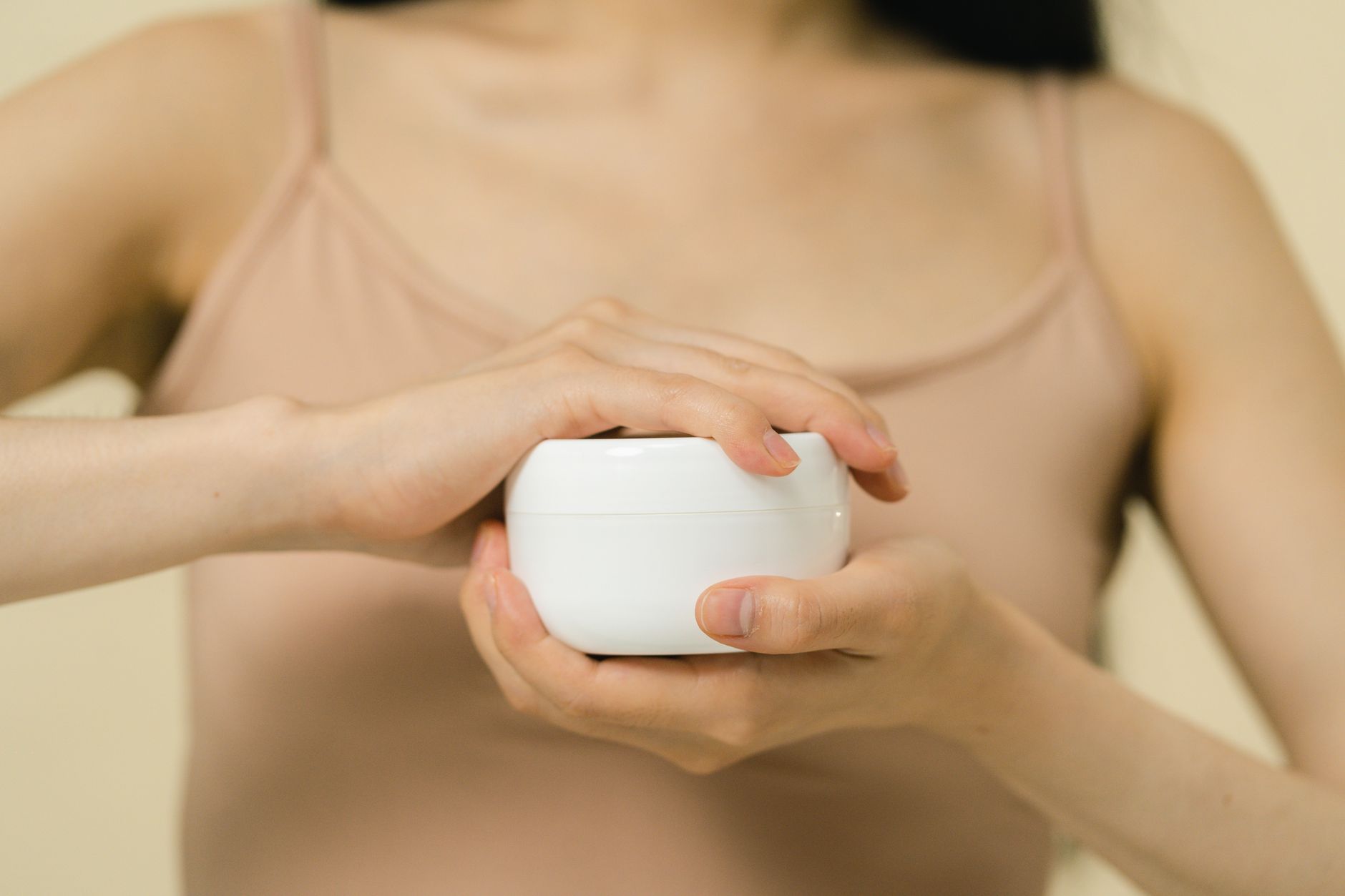
As of August 2026, there is no documented FDA moisturizer-specific acne update. The confirmed change was a May 22 over-the-counter approval for Differin Epiduo; it matters because the treatment can irritate skin, while future research must determine how much different moisturizers improve treatment tolerance. Differin Epiduo combines adapalene, a retinoid acne medicine, with benzoyl peroxide. Moisturizer can support this treatment, but current evidence does not show that moisturizer clears acne by itself.
Medical information disclaimer: This article is for general educational purposes only and does not provide medical advice, diagnosis, or treatment. Always consult a physician or other qualified health professional about symptoms, medications, tests, or treatment decisions.
Table of Contents
- What did the FDA approve?
- Why moisturizer matters with acne treatment
- What the 2026 moisturizer study found
- How to choose an acne-friendly moisturizer
- What should readers watch next?
What did the FDA approve?
The FDA approved Differin Epiduo, containing adapalene 0.1% and benzoyl peroxide 2.5%, for nonprescription use in people aged 12 and older. The agency's prescription-to-nonprescription switch list records the approval on May 22, 2026.
This was an access change for an acne medicine, not a new approval or regulatory standard for moisturizers. Moisturizing was already part of irritation management: the FDA's September 2025 Retin-A Micro label instructed tretinoin users to apply moisturizer to reduce local irritation.
Why moisturizer matters with acne treatment
Adapalene and benzoyl peroxide can cause redness, itching, dryness, burning, and irritation, especially during the first weeks. The FDA-approved consumer label says irritation generally decreases after four weeks and that moisturizer may reduce dryness and irritation. This support can make a drying routine easier to tolerate.
The same label warns that harsh soaps, astringents, products containing high levels of alcohol, and multiple acne medicines can increase irritation. The concern extends beyond Differin Epiduo. The American Academy of Dermatology says daily moisturizer may help people tolerate benzoyl peroxide, salicylic acid, topical retinoids, or isotretinoin because these treatments tend to dry and irritate skin.
What the 2026 moisturizer study found
A four-week split-face trial compared two moisturizers in 40 Asian patients using adapalene with benzoyl peroxide or isotretinoin. Each participant used a bioactive moisturizer on one side of the face and a traditional moisturizer on the other. The bioactive product produced greater hydration and less dryness. However, acne-lesion reduction was equal on both sides, according to the March 2026 Dermatology Reports study.
That distinction is important. The study suggests that moisturizer formulation can affect hydration and dryness during treatment, but it does not show that the tested moisturizer treats acne independently. The trial also had narrow limits: 40 participants, four weeks of follow-up, two comparison products, and one specific bioactive ingredient combination. Its findings cannot establish that all bioactive moisturizers outperform traditional products.
How to choose an acne-friendly moisturizer
The American Academy of Dermatology advises looking for "oil-free," "non-comedogenic," or "won't clog pores" on the label. These terms mean a product is unlikely to cause acne; they do not guarantee that every person will tolerate it without breakouts. Use those labels as a first filter, then focus on whether the product helps you continue treatment without adding irritation:.
- Choose a moisturizer labeled for acne-prone skin.
- Use moisturizer daily when an acne treatment causes dryness or irritation.
- Avoid pairing treatment with harsh soaps, astringents, or high-alcohol products.
- Do not casually combine several acne medicines, since that can intensify dryness, redness, and peeling.
What should readers watch next?
During the first four weeks of Differin Epiduo use, watch dryness and irritation separately from changes in acne lesions. A moisturizer may improve comfort even when it does not increase the treatment's effect on acne.
Future studies will be more useful if they include more participants, longer follow-up, different moisturizer formulas, and broader patient groups. For now, record dryness, burning, redness, and lesion changes separately so moisturizer tolerance is not mistaken for acne clearance.