
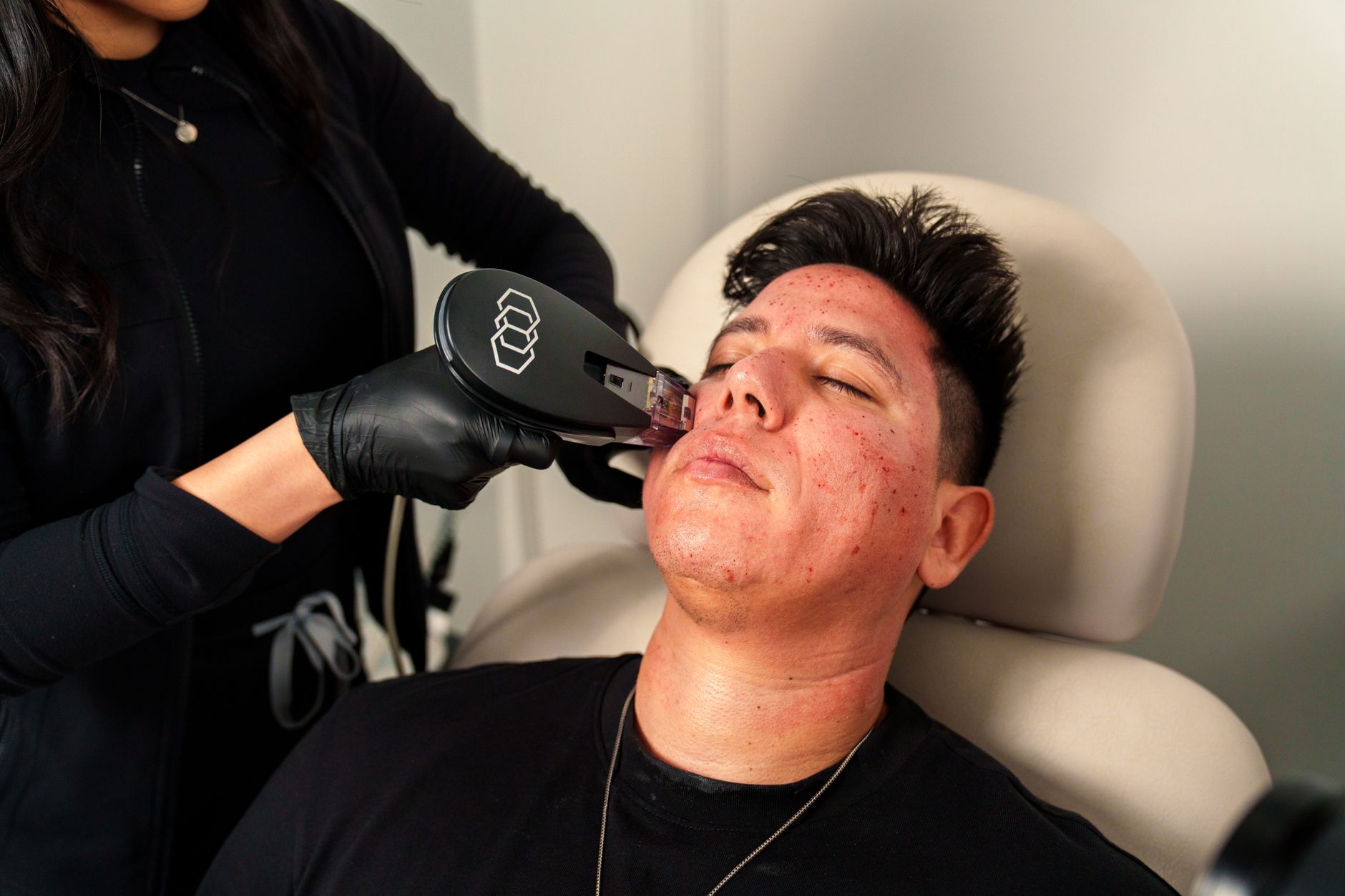
Microneedle radiofrequency with low-dose isotretinoin combines tiny skin needles that deliver heat with a low daily dose of an acne drug. For adults with persistent acne in 2026, studies test whether the pair clears breakouts faster and reduces scars better than drug alone.
Microneedle radiofrequency means fine needles place controlled heat in the upper skin to target glands and scar tissue. Persistent acne here means breakouts that continue past the teen years or resist usual creams and antibiotics. Readers need study design, results, limits, and safety steps to decide what to discuss with a dermatologist.
Medical information disclaimer: This article is for general educational purposes only and does not provide medical advice, diagnosis, or treatment. Always consult a physician or other qualified health professional about symptoms, medications, tests, or treatment decisions.
Table of Contents
- How are the combination studies designed?
- What did scar and adult acne results show?
- Who is isotretinoin for and can devices overlap?
- What limits the evidence and what should adults ask?
How are the combination studies designed?
A listed plan from Veeva Clinical Trial Viewer randomizes 100 moderate-to-severe acne patients 1:1 to oral isotretinoin alone or the same drug plus microneedle radiofrequency for 8 weeks, with 3 device sessions at weeks 1, 4 and 8, according to the Veeva trial listing. The design tests added device benefit over a short course. It focuses on active acne rather than old scars alone. A two-group comparative study described in a 2023 ResearchGate study summary used a longer schedule.
It gave low-dose isotretinoin monotherapy for 20 weeks to 34 patients and the same drug plus 5 monthly fractional microneedle radiofrequency sessions to 36 patients. Primary endpoints were Global Acne Grading System scores and inflammatory and noninflammatory lesion counts. Together the designs compare drug alone against drug plus repeated device care. Short 8-week testing stresses speed of clearing. Longer 20-week testing stresses total lesion change and grading scores.
What did scar and adult acne results show?
A June 2024 prospective randomized split-face trial reported in the Journal of Cosmetic Dermatology found concurrent isotretinoin plus fractional radiofrequency cut acne-scar volume from mean 151.1 to 97.0, outperforming delayed device treatment and drug alone 6 months after stopping isotretinoin, according to the PubMed record. Split-face means one side received the added device care for direct comparison. The benefit lasted after the drug course ended. A separate randomized double-blind trial in adults with persistent low-grade acne tested oral isotretinoin 5 mg daily, as reported by MDedge covering the European Academy of Dermatology and Venereology congress in the MDedge congress report.
Lesion reduction and quality-of-life gains appeared within 4 weeks and continued through treatment. The report described the 5-mg dose as highly effective, fast-acting, and well tolerated for this group. For readers, the two signals differ. Scar testing supports same-time device use for volume change. Low-dose testing supports daily 5-mg use for ongoing low-grade adult breakouts.
Who is isotretinoin for and can devices overlap?
Updated acne guidance from the American Academy of Dermatology, shared via Newswise on Jan. 31, 2024, strongly recommends oral isotretinoin for severe acne, acne causing psychosocial burden or scarring, or acne failing standard oral or topical therapy. That frames who may discuss systemic treatment. It does not by itself recommend adding an energy device. Timing of devices with isotretinoin has changed.
A dermatologic safety reassessment updated by The Aesthetic Guide in Sept. 2024 concluded fractional radiofrequency microneedling, fractional lasers for acne scarring, laser hair removal, and superficial peels can proceed with concurrent or recent isotretinoin use. The review challenges routine 6-month delay practice for those procedures. Overlap still needs direct supervision. Dose, device depth, session spacing, sun exposure, and wound care affect irritation and pigment risk. A clinic should set the plan based on acne severity, scar type, and skin response.
What limits the evidence and what should adults ask?
Key limits come from small and narrow studies. Dermatology Times reporting on the concurrent-versus-delayed scar trial notes 38 completers, enrollment mostly Fitzpatrick skin types II-III, photographic rather than direct volumetric assessment, and varied device settings and outcome scales. Small samples widen chance effects. Narrow skin-type enrollment limits use for darker skin with higher pigment risk.
Pregnancy prevention is required with isotretinoin because of embryo-fetal toxicity. Towards Healthcare market insight citing FDA, accessed in 2026, notes iPLEDGE enrollment and pregnancy prevention duties, with 2025 revisions removing the 19-day lockout, adding gender-neutral classification, and accepting home pregnancy tests to reduce burden. This affects scheduling and testing for anyone who can become pregnant. Bring photos of flares, a drug list, and prior treatment dates to shorten the visit.
- acne pattern, scar type, prior creams or antibiotics tried
- pregnancy potential, birth-control plan, and iPLEDGE testing duties
- device type, depth, sessions, spacing, cost, and aftercare
- pigment history, keloid history, sun exposure, and pause rules
You Might Also Like
- Fish Oil With Low-Dose Isotretinoin in a 2026 Randomized Trial: Study Design and Evidence Limits for Adults With Persistent Acne
- Spironolactone, Metformin, and Bicalutamide for Acne in a 2026 Review: Study Design and Evidence Limits for Adults With Persistent Acne
- Limited Topical Spironolactone Evidence in the 2026 Review: Study Design and Evidence Limits for Adults With Persistent Acne