
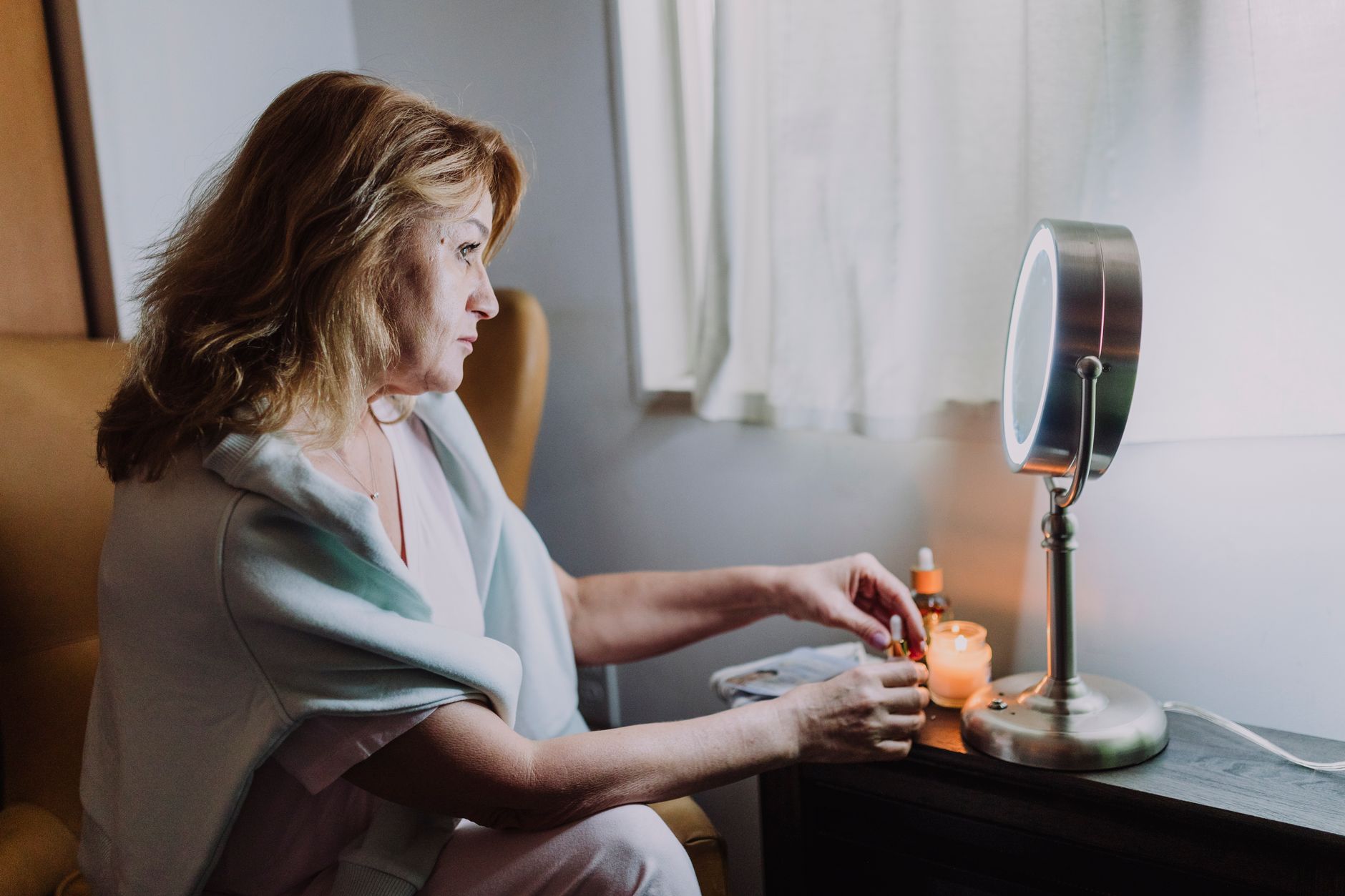
acne research supports adding brief mental-health screening to acne visits for young adults, plus direct questions about embarrassment, avoidance, sleep, and appearance worry. Screening means short check-ins for anxiety, depression, daily-life impact, and distress about appearance.
Young people seeking acne care face clear emotional risks. Contemporary Pediatrics reported a University of Auckland analysis of 9,500 students ages 12-18 where 34% with acne reported suicidal thoughts and 13% reported an attempt. New studies sharpen which feelings to name at the visit.
Medical information disclaimer: This article is for general educational purposes only and does not provide medical advice, diagnosis, or treatment. Always consult a physician or other qualified health professional about symptoms, medications, tests, or treatment decisions.
Table of Contents
- Why does acne weigh on mood and body image?
- When does self-consciousness turn into avoidance?
- What questions belong in the treatment visit?
- How can you describe stigma clearly?
- What can these studies not prove?
Why does acne weigh on mood and body image?
Body-image disturbance means lasting shame, worry, or disgust about how skin looks. Skin Spectrum Weekly, summarizing Psychology, Health and Medicine, reported a 2026 East China study of 201 young adults where poorer skin-related daily life and higher anxiety each predicted greater disturbance, with anxiety mediating 18.1% of the link the Skin Spectrum Weekly summary. Dermatology Times reported a 2026 study of 1,067 university students in northern Bangladesh where 47.6% had acne vulgaris and greater severity tied to worse daily-life scores and higher social appearance anxiety the Dermatology Times digest.
Social appearance anxiety means fear of being judged for looks in public. The pattern affects decisions about care. Low mood plus constant mirror checking, photo avoidance, or cancelled plans signals more than vanity. Naming those effects helps match treatment to daily burden, not lesions alone.
When does self-consciousness turn into avoidance?
PLOS ONE reported a 2026 Hanoi hospital study of 280 acne outpatients where 24.6% met ICD-10 criteria for a phobic anxiety disorder, with social phobia predominant at 22.9% and linked to scarring and poor treatment response the PLOS ONE acne anxiety study. Social phobia means strong fear of embarrassment in social situations. Avoidance often looks practical at first.
A student skips presentations, stops dating, quits sports, or wears heavy cover despite breakouts. Scarring and slow improvement raise the risk, so report them early. Ask directly about function, not just feelings. Missed school, work call-outs, fewer friends, and dread before events matter more than saying you feel bad.
What questions belong in the treatment visit?
Dermatology Times reported a 2026 prospective cohort of 78 adolescents ages 13-18 on three months of isotretinoin that showed reduced acne severity without cognitive decline, but modest rises in depression and anxiety scores supported ongoing monitoring the Dermatology Times isotretinoin report. Monitoring means repeat check-ins during treatment, not one baseline form.
Skin Spectrum Weekly noted dermatology visits can add GAD-7 for anxiety, PHQ-9 for depression, Dermatology Life Quality Index for skin effects on daily life, and Body Image Disturbance Questionnaire for appearance distress. These tools are short scored forms, not full diagnoses. Use plain stigma and communication prompts alongside them:.
- Do you feel embarrassed, stared at, or judged because of acne?
- Do you avoid photos, social events, dating, or sports?
- Do worries about looks disturb sleep, focus, or schoolwork?
- Has picking, mirror checking, or cover-up use grown?
How can you describe stigma clearly?
Stigma means unfair judgment or shame tied to visible acne. Vague reports like treatment is not working hide the reason to change course. Concrete details guide the clinician faster. State frequency, trigger, and cost in one line. Say breakouts before class lead to three absences last month.
Say red marks make you skip practice twice weekly. Say comments from peers end talks early. Bring sleep and appearance worry into the same note. Report late sleep from worry, morning dread, cancelled plans, and time spent covering or checking skin. That record supports referral, counseling, support resources, or a treatment shift.
What can these studies not prove?
Cross-sectional studies show links at one time point, not cause. Skin Spectrum Weekly flagged this limit for the body-image and Bangladesh studies, so mediation is statistical rather than proven.
The isotretinoin cohort had single-arm design with only 31 of 78 completing follow-up, Dermatology Times reported, which weakens certainty about drug effects. Treat scores as signals for talk and follow-up. Bring sleep changes, skipped activities, and picking or mirror checking to the visit in plain words.
You Might Also Like
- Mental Health Screening Questions Raised by 2026 Acne Research: How Young Adults With Acne Can Avoid Overreading Correlation
- Psychological Burden Across Acne Severity in 2026 Research: Stigma and Communication Questions for Young Adults With Acne
- Why the 2026 Acne Body Image Study Does Not Prove Causation: Stigma and Communication Questions for Young Adults With Acne