
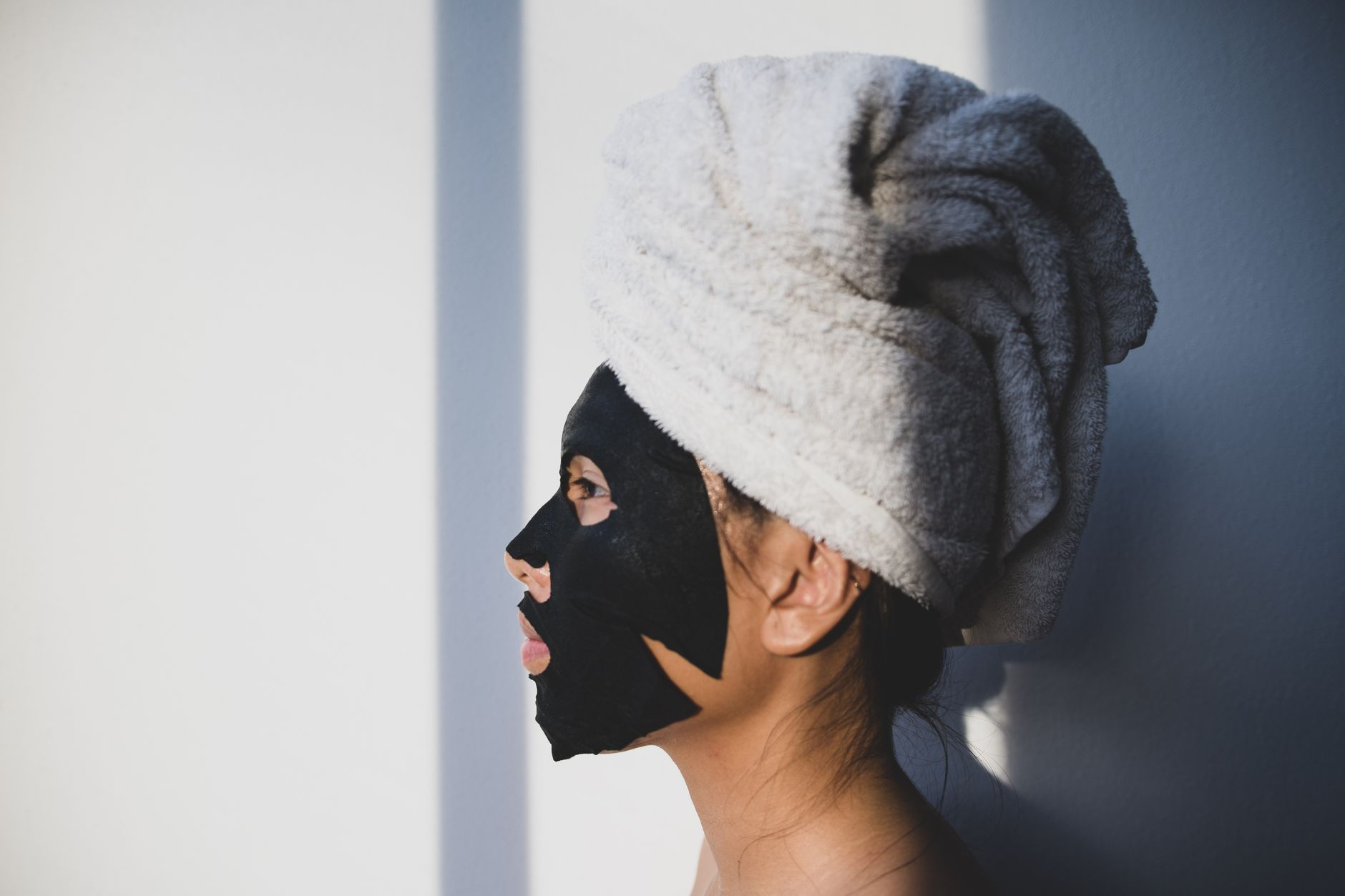
Mask acne, often called maskne, is breakouts where a mask sits. This guide compares prevention choices, daily care steps, and treatment options, plus when to seek follow-up care. Maskne is acne mechanica, meaning sustained pressure, heat, and rubbing roughen skin and trigger acne-like bumps. The right plan balances coverage needs with skin tolerance and timely care for active lesions.
Medical information disclaimer: This article is for general educational purposes only and does not provide medical advice, diagnosis, or treatment. Always consult a physician or other qualified health professional about symptoms, medications, tests, or treatment decisions.
Table of Contents
- Why does skin break out under a mask?
- How common is it and who faces higher risk?
- Which mask habits reduce breakouts?
- What daily routine protects masked skin?
- How should you treat lesions and decide on follow-up?
Why does skin break out under a mask?
Masks trap exhaled hot air and create a warm, humid zone around the mouth and nose. That setting promotes overgrowth of bacteria, yeast, and Demodex mites, according to Cleveland Clinic in its maskne overview.
Dermatologists classify the result as acne mechanica. Sustained pressure, heat, and rubbing can worsen prior acne or cause new lesions along the mask line.
How common is it and who faces higher risk?
A Thai prospective survey of 833 workers found 54.5% reported mask-related skin reactions, with acne most frequent at 39.9%, according to the study authors in the full study report. Healthcare workers reported reactions more often than non-healthcare workers.
Risk rose with wearing a mask over 4 hours daily and with reusing masks. Surgical masks carried about 1.54 times the odds of reaction compared with cloth masks in the same study.
Which mask habits reduce breakouts?
Choose soft 100% cotton when protection rules allow, because it feels gentler and breathes better than stiff synthetics. Wash cloth masks daily and change medical masks daily to limit buildup of oil, sweat, and microbes.
Take a 15-minute mask break every 4 hours after handwashing, as recommended by the American Academy of Dermatology in its mask skin-care guidance. The trade-off is direct: more coverage and longer wear raise protection but also raise heat, friction, and breakout risk.
- Use clean cotton for daily errands when allowed, fresh medical masks for high-risk settings, and scheduled breaks to lower moisture load.
What daily routine protects masked skin?
Wash with a gentle soap-free cleanser before and after masking. Apply fragrance-free moisturizer with ceramides or hyaluronic acid before and after masking to form a friction barrier.
Skip makeup under the mask when possible. If coverage matters, use only noncomedogenic makeup and keep the layer light around the mouth, nose, and chin.
How should you treat lesions and decide on follow-up?
For active lesions, start one medicated product at a time with benzoyl peroxide, salicylic acid, adapalene, or retinol to limit irritation. Ohio State advises an evening benzoyl peroxide or salicylic acid wash plus spot treatment for mask-area pimples.
See a board-certified dermatologist for cysts or nodules, scarring, no improvement after consistent over-the-counter care, or signs of rosacea, eczema, or contact dermatitis. Stop a new product that causes burning, swelling, or spreading rash and seek prompt care for that reaction.