
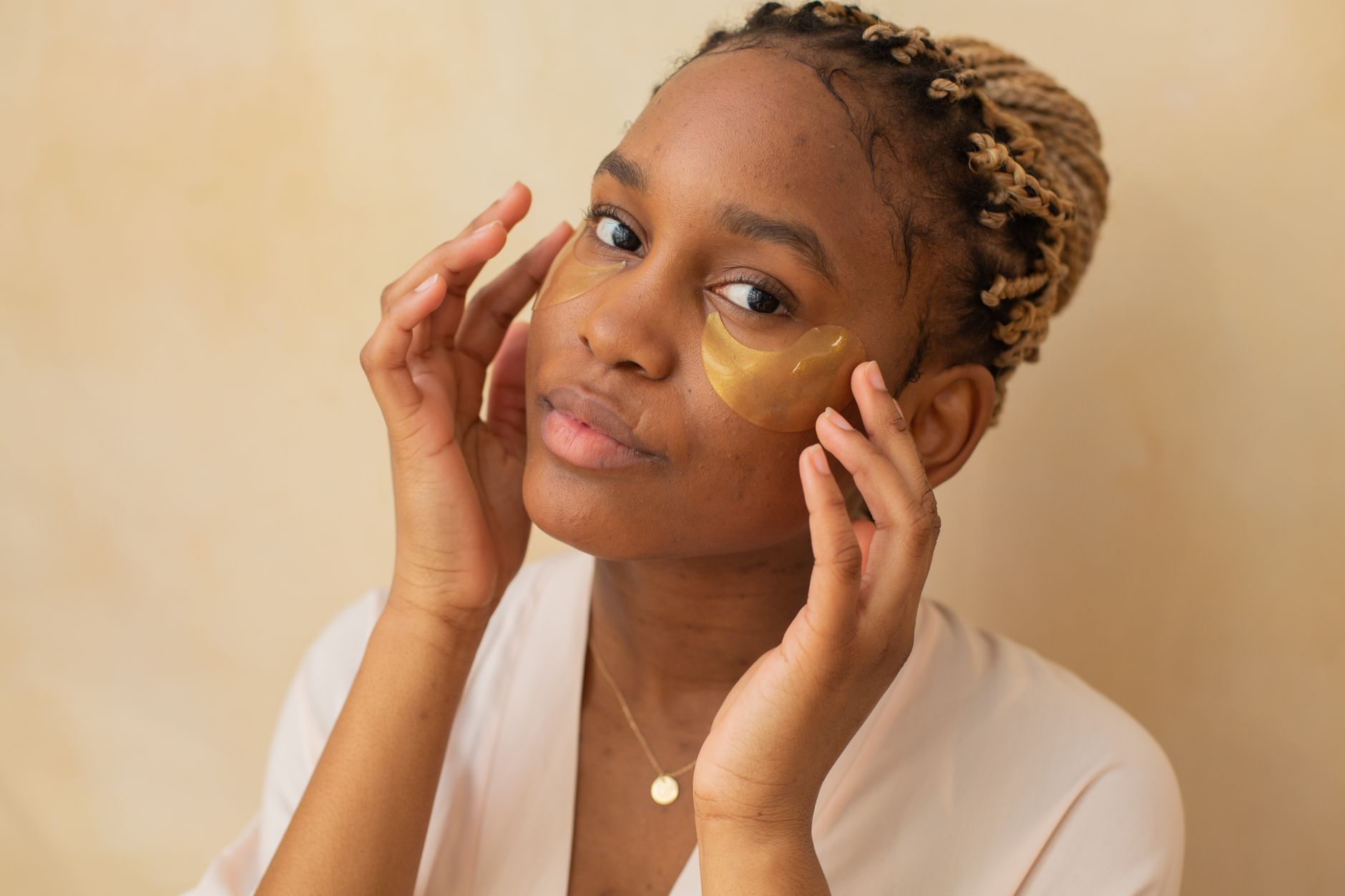
Marsai Martin's facial oil and moisturizer approach centers on a simple sequence: cleanse, use an anti-blemish pad, then moisturize. Acne-prone skin should check that the moisturizer is oil-free and non-comedogenic, and check any facial oil for pore-clogging butters and oils. Non-comedogenic means formulated not to clog pores. Martin has described sensitive skin, so her choices favor lightweight hydration over heavy oils.
Medical information disclaimer: This article is for general educational purposes only and does not provide medical advice, diagnosis, or treatment. Always consult a physician or other qualified health professional about symptoms, medications, tests, or treatment decisions.
Table of Contents
- What is her basic sequence?
- Which moisturizer does she point to?
- What should acne-prone skin check before adding facial oil?
- What should sensitive skin check in the pads?
What is her basic sequence?
Martin said her normal work-day routine starts with Noxzema Classic Cream Cleanser, then Noxzema Ultimate Clear Anti-Blemish Pads and moisturizer. In the HelloBeautiful interview, she said she adds or removes steps for glam or sun exposure (HelloBeautiful interview).
She also demonstrated skincare and makeup in a beauty video, starting with the same cream cleanser because her skin can be sensitive. The sequence stays consistent: cleanse first, treat, then hydrate.
Which moisturizer does she point to?
Her reported go-to is Clinique Moisture Surge 100H, a lightweight oil-free gel-cream with hyaluronic acid and aloe bio-ferment for up to 100-hour hydration. The Clinique product page lists it as fragrance-free, allergy-tested and dermatologist-tested for sensitive skin (Clinique product page).
That profile matches common acne-prone needs: water-based hydration without added facial oil. Gel-cream texture spreads easily and layers under sunscreen and makeup.
What should acne-prone skin check before adding facial oil?
Check the label for oil-free and non-comedogenic, then scan for heavy butters and oils. Essence, quoting dermatologists, advises acne-prone buyers to choose oil-free non-comedogenic moisturizers and avoid comedogenic cocoa butter, coconut oil, lanolin and shea butter (dermatologist guidance in Essence). Use these quick checks:.
- Choose oil-free, non-comedogenic on the front label.
- Skip coconut oil, cocoa butter, lanolin and shea butter if pores clog easily.
- Add only one new oil or balm at a time.
- Stop and simplify if bumps, blackheads or excess shine increase.
What should sensitive skin check in the pads?
The same routine includes anti-blemish pads after cleansing. Those pads can tingle or dry skin because they contain alcohol denat., fragrance, camphor, eucalyptus oil and menthol.
The CVS ingredient listing names those ingredients, so acne-prone sensitive skin should patch-test first (CVS ingredient listing). Use pads on clean, dry skin and follow promptly with moisturizer. Reduce frequency if stinging, peeling or redness lasts beyond a few minutes.
You Might Also Like
- Why the 2026 Probiotic and Secretome Paper Reports No Trial Results Yet: What the Research Means for People With Acne-Prone Skin
- The 2026 Oral Probiotic and Topical Secretome Acne Trial Protocol: What the Research Means for People With Acne-Prone Skin
- Microbiome-Friendly Acne Care Questions Raised in 2026: How People With Acne-Prone Skin Can Compare Probiotic Claims