
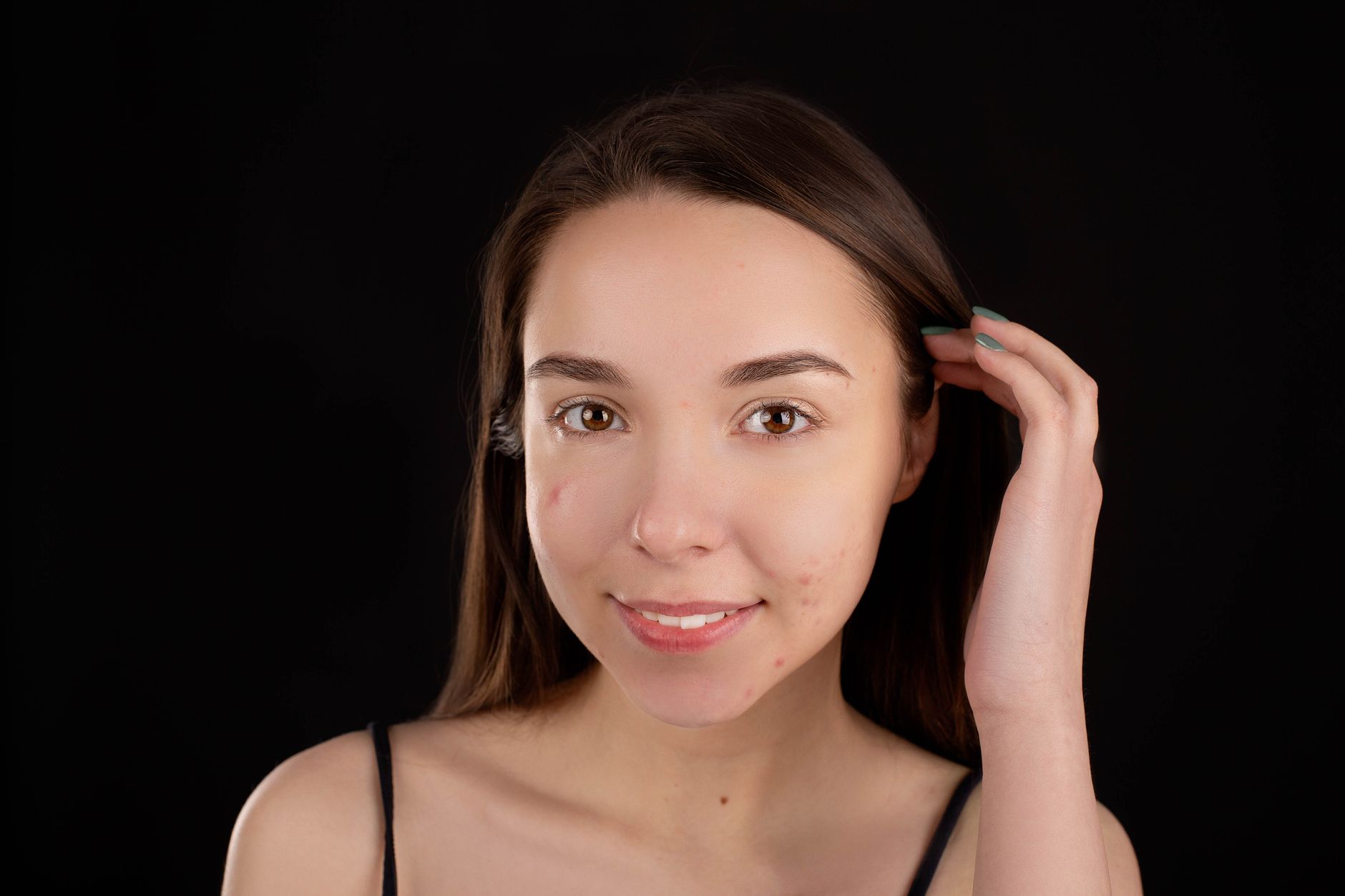
A makeup acne checklist tracks the products, habits, and hygiene steps linked to cosmetic breakouts. It helps acne-prone readers test one change at a time and keep formulas that do not clog pores. Cosmetic acne means pimples triggered or worsened by greasy makeup and hair products. The checklist covers labels, nightly removal, product trials, brushes, and replacement timing.
Medical information disclaimer: This article is for general educational purposes only and does not provide medical advice, diagnosis, or treatment. Always consult a physician or other qualified health professional about symptoms, medications, tests, or treatment decisions.
Table of Contents
- What should the label say?
- How should you end the day?
- How do you test one product at a time?
- Are brushes and applicators breaking you out?
- When should eye makeup be replaced?
What should the label say?
The American Academy of Dermatology advises acne-prone makeup users to choose products labeled non-comedogenic, oil-free, or won't clog pores, as described in dermatology guidance for acne-prone skin. Non-comedogenic means the formula is designed not to block pores.
NIH MedlinePlus also identifies greasy or oily cosmetics and hair products as acne triggers. It recommends water-based or noncomedogenic formulas proven not to clog pores in most people. Try different formulas when one product causes breakouts.
How should you end the day?
The same American Academy of Dermatology guidance directs users to remove all makeup before bed, including eye makeup. Use oil-free remover, then cleanse gently without scrubbing.
Apply nighttime acne medication after cleansing. Wash acne-prone skin once or twice daily, according to NIH MedlinePlus. Scrubbing does not clear pores faster and can irritate skin.
How do you test one product at a time?
Write down each product name and the date you start using it. Change only one product at a time, then watch for new clogged pores or pimples over the next one to two weeks.
A review in the Journal of Cosmetic Science explains why this record matters. The rabbit-ear test does not mimic human pore blockage well, while human patch tests and real-use trials give better evidence. Even human tests vary widely and need controls.
- Keep foundation, concealer, primer, sunscreen, and hair gel in the log.
- Note where breakouts appear and when they start.
- Keep the rest of the routine steady during the test.
Are brushes and applicators breaking you out?
Makeup brushes collect bacteria and oils that contribute to plugged pores, according to the Cleveland Clinic in Cleveland Clinic advice on brush hygiene. Shampoo brushes every week or two with gentle, fragrance-free shampoo. Let them dry fully before use.
Avoid sharing cosmetics and keep containers clean. Wash hands before applying makeup. Replace dirty sponges and clean powder puffs often.
When should eye makeup be replaced?
Old or contaminated eye makeup can irritate eyes and nearby skin. The FDA advises discarding mascara two to four months after purchase, as explained in FDA eye-cosmetic safety guidance. Discard dried mascara at once.
Never add water or saliva to thin it. The FDA also notes that most cosmetics do not need premarket FDA approval, so companies carry legal responsibility for safety and labeling. Discard dried mascara at once and keep containers clean.