
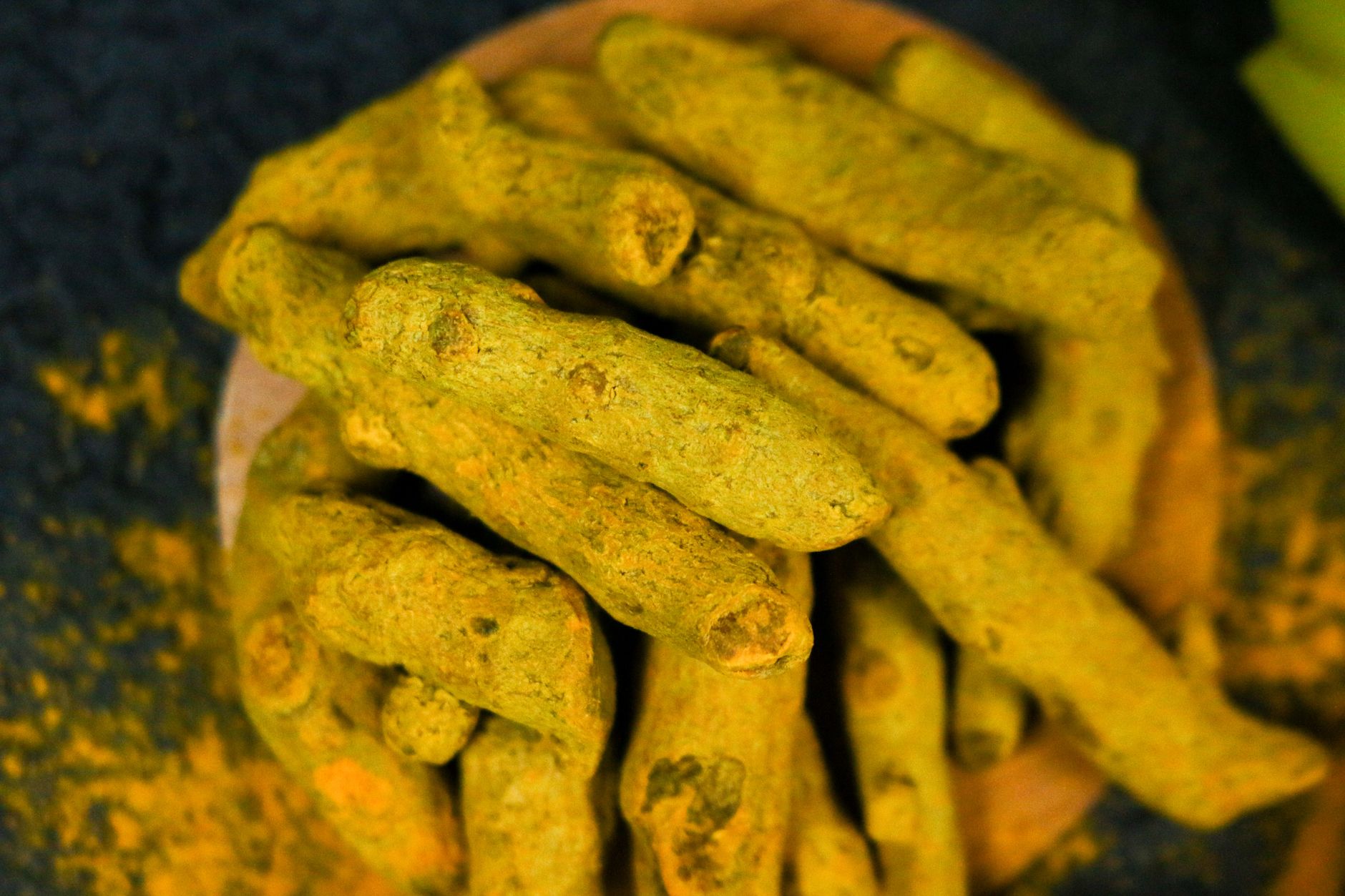
Sensitive skin should treat KORA's turmeric scrub and acne retinoids as competing sources of irritation, not a daily pair. Space physical exfoliation away from retinoid nights, moisturize, and wear daily sunscreen. Topical retinoids are vitamin A-based gels or creams that unclog pores and calm inflammation. KORA's product is a scrub-plus-mask that polishes skin with grains and plant extracts rather than treating acne directly.
Medical information disclaimer: This article is for general educational purposes only and does not provide medical advice, diagnosis, or treatment. Always consult a physician or other qualified health professional about symptoms, medications, tests, or treatment decisions.
Table of Contents
- What is in the KORA scrub?
- Which retinoid irritates sensitive skin least?
- Can you use both in one routine?
- How can sensitive skin lower the risk?
What is in the KORA scrub?
KORA Organics sells a Turmeric Brightening Exfoliating Scrub + Mask with turmeric for tone plus pumice, bamboo, rice and papaya extracts for polishing, according to the KORA Organics product page. Pumice and bamboo are physical exfoliants. They remove dead surface cells by friction. The label directs use on damp, cleansed skin in circular motions two to three times weekly.
It can stay on five to fifteen minutes as a mask. Brief redness can follow from increased circulation. That friction matters for reactive skin. Redness-prone or eczema-prone faces feel scrub grains more sharply. Less pressure, shorter contact, and fewer days lower the risk.
Which retinoid irritates sensitive skin least?
Updated acne guidelines recommend topical retinoids including adapalene, tretinoin, tazarotene and trifarotene for adolescents and adults with acne, according to the American Academy of Dermatology announcement. They unclog pores and reduce inflammation. All can cause dryness, peeling, stinging, and sun sensitivity at first. Adapalene tends to irritate less than older options. In a 35-person cumulative-irritancy test, adapalene 0.1% gel caused significantly less irritation than tretinoin microsphere 0.04% and tazarotene 0.05%, with tretinoin carrying the highest irritation potential, according to the AJMC clinical review.
Sensitive beginners often tolerate adapalene better. Strength, vehicle, amount, and frequency also affect burning. Tretinoin labels warn against use on sunburned skin, eczema, other chronic facial conditions, or marked sunlight sensitivity. Avoiding excess ultraviolet exposure matters during treatment. Anyone with those conditions should seek medical advice before starting.
Can you use both in one routine?
Do not scrub and apply retinoid at the same time if your skin flushes, stings, peels, or breaks out easily. Physical polishing plus a retinoid removes more barrier in one day. That combination raises redness, dryness, and sunburn risk. Pick one active per evening. Use the retinoid on most nights as directed.
Reserve the turmeric scrub for a non-retinoid day, once weekly at first. Skip either product while skin feels raw, tight, or sunburned. Watch for intolerance to "natural" ingredients too. Topical turmeric and curcumin can cause allergic contact dermatitis and contact urticaria confirmed by patch testing, according to the Indian Journal of Dermatology report. Patch-test the scrub on the jawline before full-face use. Stop use for spreading rash, hives, itching, swelling, or blisters.
How can sensitive skin lower the risk?
Introduce changes one at a time. Start the retinoid alone for two to four weeks. Add the scrub only after nightly tolerance steadies.
Keep nights simple on scrub days. Cleanse, scrub lightly, rinse, moisturize, and skip retinoid. Return to retinoid the next night only if skin feels calm.
- Cleanse gently, then apply a pea-sized retinoid layer to dry skin
- Moisturize to buffer dryness; Differin labeling advises moisturizers for dryness or irritation
- Limit scrubbing to light pressure and rinse well
- Use broad-spectrum SPF 30+ each morning and limit sun exposure
- Pause exfoliation during retinoid adjustment, sunburn, or eczema flares