
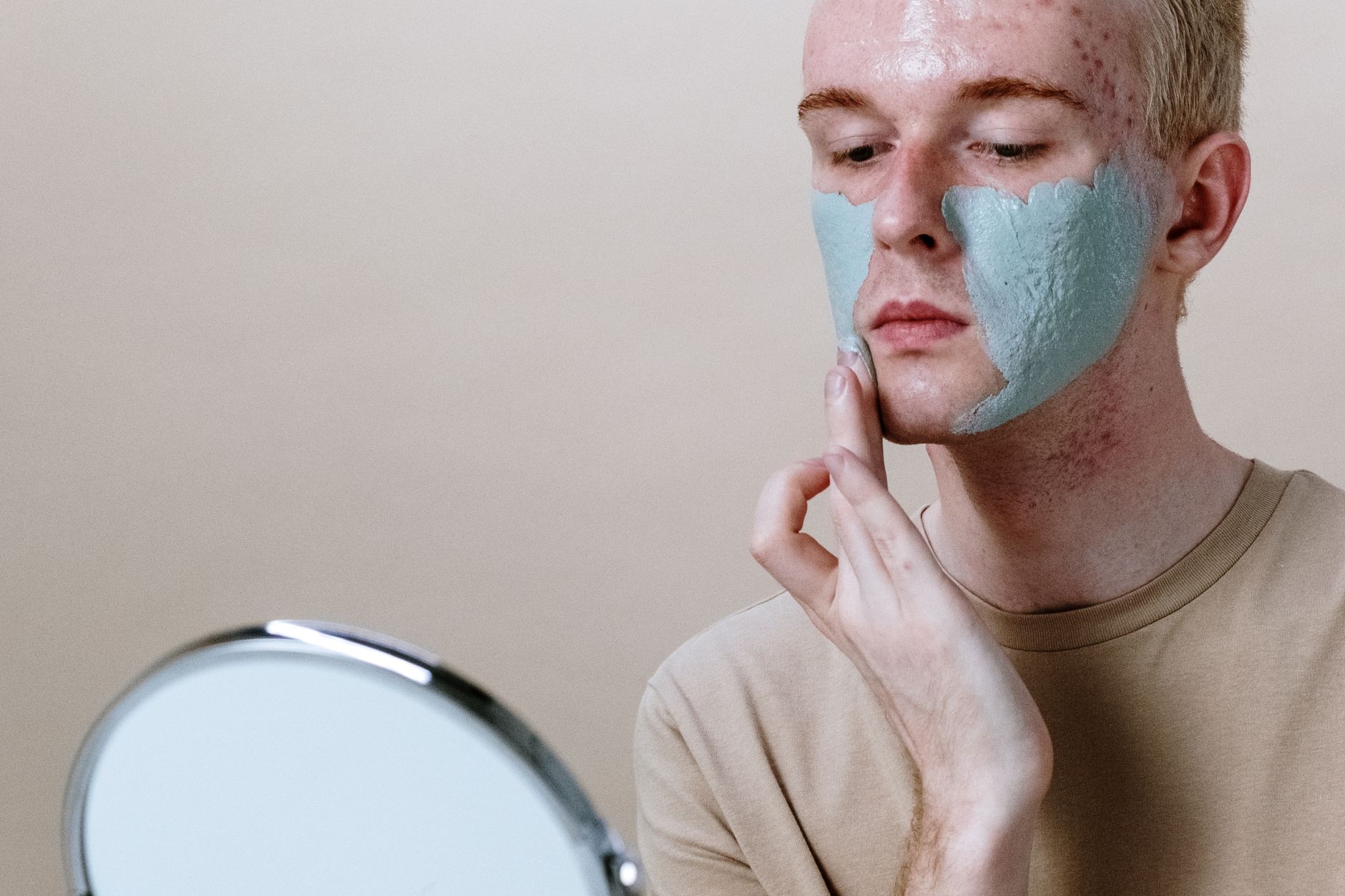
Flat red or brown marks after jawline pimples usually fade over months once breakouts stop and skin stays protected from sun. Indented pits or raised thick scars seldom vanish fully and often need in-clinic care after acne quiets.
Post-inflammatory color change means flat red or brown color left after a pimple heals. It lies flat and is not a dent or thick ridge. Jawline breakouts often return, so knowing which type you have guides next steps.
Medical information disclaimer: This article is for general educational purposes only and does not provide medical advice, diagnosis, or treatment. Always consult a physician or other qualified health professional about symptoms, medications, tests, or treatment decisions.
Table of Contents
- Is it a mark or a true scar?
- How do you stop new jawline scars?
- What fades flat red or brown marks?
- What helps indented or raised scars?
Is it a mark or a true scar?
In the Cleveland Clinic guide, flat red or brown marks are described as post-inflammatory color change. True scars are indented pits termed ice pick, boxcar, and rolling scars, or raised thick scars. Color fades differently than tissue loss, so the distinction shapes expectations.
NHS 111 Wales warns in its acne advice that squeezing spots worsens acne and can cause permanent scarring. Large nodules and cysts carry the greatest risk of lasting scars. Leave healing spots alone and watch deep, painful lumps most closely.
How do you stop new jawline scars?
Adult-onset acne is increasingly common in women in their 20s, 30s, 40s and even 50s, according to the American Academy of Dermatology. Persistent jawline breakouts often need medical control, not scrubbing. Stopping new deep lesions matters more than fading old color.
The same Academy considers topical retinoids first-line for mild-to-moderate inflammatory acne with blackheads and whiteheads. It also prefers them for long-term prevention of new lesions. Readers can act on this pattern:.
- Do not squeeze, pick, or scrub jawline pimples.
- Treat active breakouts early and keep treatment steady after clearing.
- Use daily sun protection while marks fade.
- Ask a clinician whether a retinoid-based plan fits mild-to-moderate acne.
What fades flat red or brown marks?
Daily sun protection is the baseline because ultraviolet light deepens pigmentation and prolongs clearing, as explained in a pigmentation review in the Journal of Clinical and Aesthetic Dermatology. Clearing otherwise takes months once acne stops. Fading starts only when new breakouts stop forming.
A 2012 trial in the Journal of Clinical and Aesthetic Dermatology enrolled 33 patients with skin types IV through VI. It tested clindamycin 1.2% plus tretinoin 0.025% gel against vehicle. The combination improved both acne and acne-induced dark marks, but results apply to that formula and population.
What helps indented or raised scars?
Indented scars reflect collagen loss and seldom vanish fully, according to American Academy of Dermatology guidance. Dermatologists match surgery, resurfacing, microneedling, peels, or fillers to scar type. They often combine methods after acne is quiet.
Scar procedures are usually classed as cosmetic and not routinely NHS-funded, NHS 111 Wales notes. So control active jawline acne and use sunscreen first. If severe pitted scarring remains, ask a dermatologist about combined options for your scar type.