
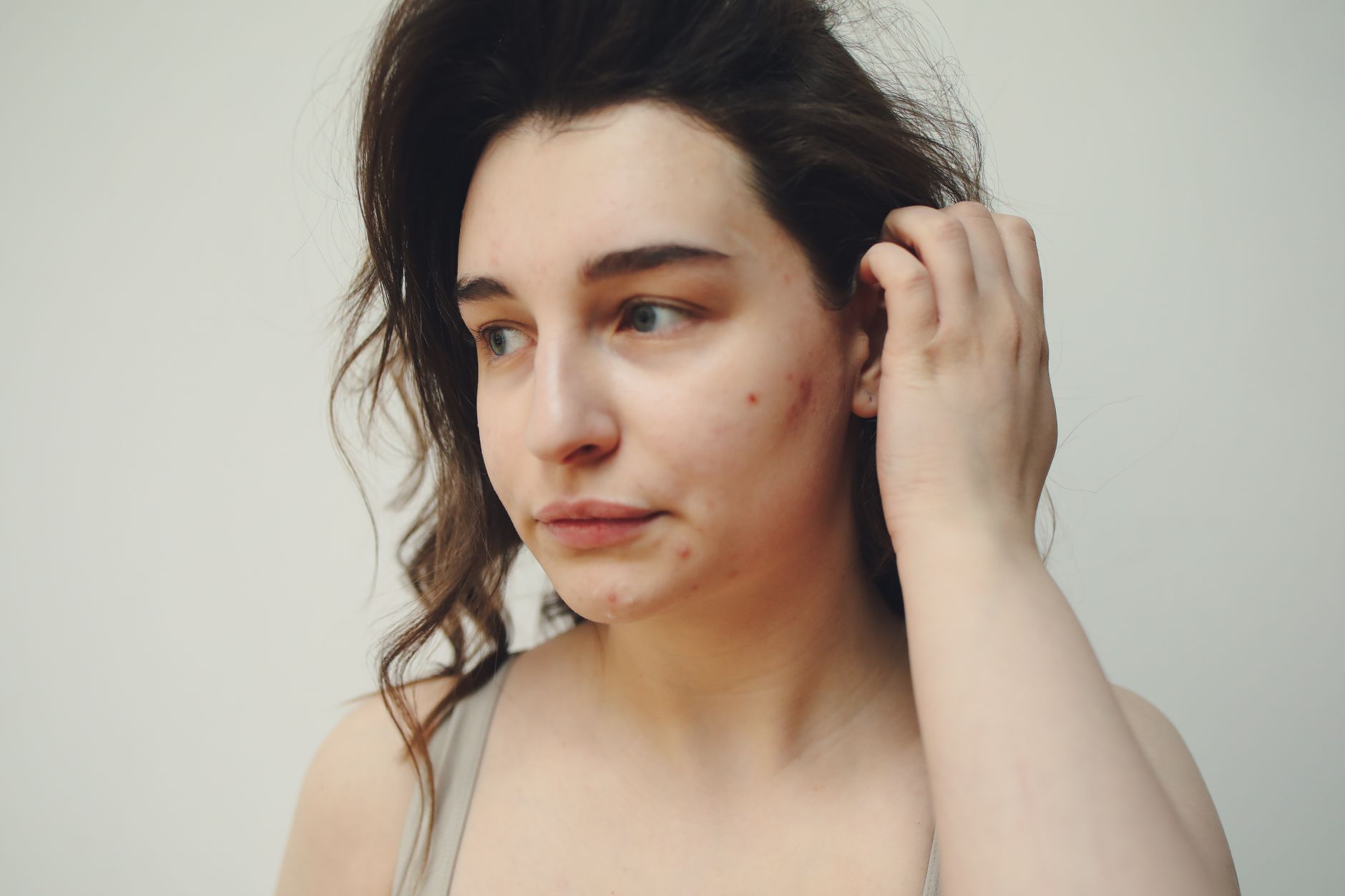
No, popping pimples at home is not safe. The American Academy of Dermatology advises people to resist touching, picking, and popping acne because popping often worsens acne, delays clearing, and increases scarring risk popping guidance. A pimple is a clogged pore filled with oil, bacteria, and pus. Squeezing it can force that mixture deeper into skin and prolong healing.
Medical information disclaimer: This article is for general educational purposes only and does not provide medical advice, diagnosis, or treatment. Always consult a physician or other qualified health professional about symptoms, medications, tests, or treatment decisions.
Table of Contents
- Why does popping make acne worse?
- Is the center of the face riskier?
- What helps a painful pimple instead?
- When should you get medical care?
Why does popping make acne worse?
Dermatologist Jennifer Lucas says popping pushes pus, bacteria, and inflammation deeper into skin. That pressure makes a lasting mark or scar more likely after healing Cleveland Clinic explanation.
The same Cleveland Clinic dermatologist says popping can spread bacteria and pus to surrounding skin. That spread can trigger new breakouts, while bacteria from hands can enter broken skin and cause infection.
Is the center of the face riskier?
Yes. Dermatologist Alok Vij warns about the facial danger triangle from the nose bridge to the mouth corners.
That area connects through blood vessels toward the cavernous sinus near the brain. Infection from a picked pimple there carries a small but real risk of spreading deeper. This makes hands-off care especially important for spots on the nose, between the eyebrows, and around the mouth.
What helps a painful pimple instead?
For a deep painful pimple, the American Academy of Dermatology recommends warm compresses to help it move toward the surface painful pimple home care. Dermatologists say safer home options are over-the-counter acne treatment or hydrocolloid pimple patches. A hydrocolloid patch is a small sticker that covers the spot and absorbs drainage, rather than squeezing with fingers or unsterile tools.
- Apply a warm, damp washcloth for 10-15 minutes
- Repeat three times daily
- Use a clean washcloth each time
When should you get medical care?
The UK National Health Service advises never picking or squeezing spots because it can worsen acne and cause permanent scarring. It urges GP care for moderate or severe acne, nodules, or cysts.
Marks also need time after you stop popping. Lucas says give a scar about a year to mature because early redness or brown discoloration often fades, and see a dermatologist for persistent acne or scarring.