
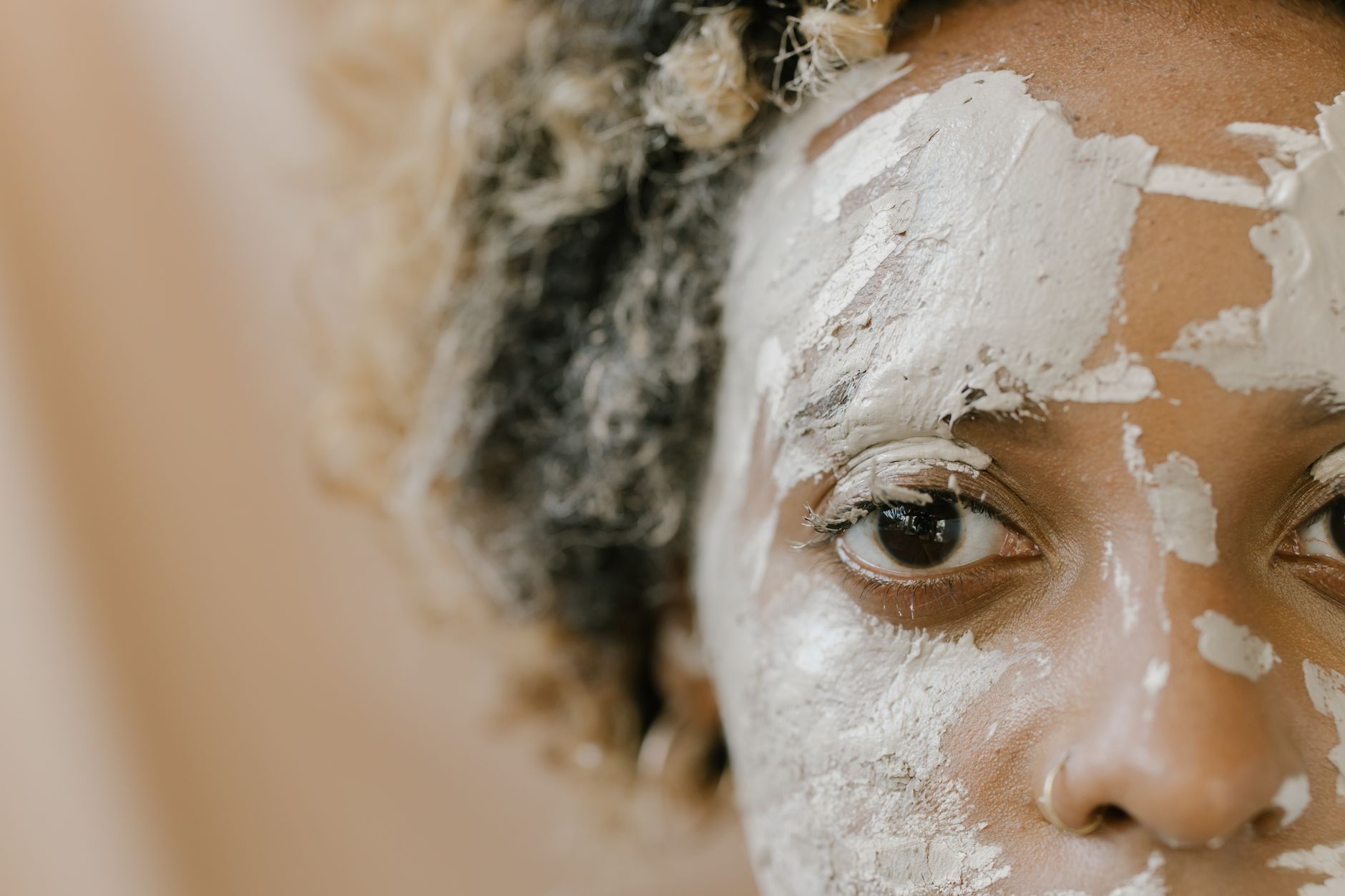
Yes, weekly clay-mask use is generally safe for blackhead-prone, oily skin when you use a regulated product as directed. The American Academy of Dermatology describes blackheads as open clogged pores, a form of acne, so care targets excess oil rather than poor hygiene. A weekly routine fits common product directions and trial schedules. It works best as oil control beside proven acne care, not as a comedone remover.
Medical information disclaimer: This article is for general educational purposes only and does not provide medical advice, diagnosis, or treatment. Always consult a physician or other qualified health professional about symptoms, medications, tests, or treatment decisions.
Table of Contents
- What does a clay mask do for pores?
- What does weekly-use evidence show?
- How do you fit it into a weekly routine?
- When should you pause or use another treatment?
What does a clay mask do for pores?
Kaolin and bentonite act mainly by absorbing surface oil and sebum. That gives a temporary matte look and less pore congestion. The L'Oréal and La Roche-Posay study authors report this action does not dissolve established comedones.
Think of the mask as shine and buildup control. It can make pores look less clogged for a short time. It does not pull blackheads out by the root.
What does weekly-use evidence show?
In a trial reported in Skin Research and Technology, 75 oily or combination-skin adults used La Roche-Posay Effaclar Sebo-Controlling Mask twice weekly for four weeks. Oiliness fell and acne measures improved with good tolerance, according to the 2023 Skin Research and Technology trial report.
That result supports short-term use on oily skin. The limit is scope. The PMC article disclosure notes one kaolin-containing commercial formula, tested in oily skin, with L'Oréal China affiliation, so results may not transfer to all clays or dry and sensitive skin.
How do you fit it into a weekly routine?
La Roche-Posay Australia directs a fine layer once or twice weekly for about five minutes, then thorough rinsing, according to the official Effaclar mask directions. That schedule suits many oily or blackhead-prone users.
Use this simple sequence: Skip scrubbing before or right after. Reduce to once weekly if tightness lasts.
- Apply a fine, even layer to clean, dry skin, often T-zone only.
- Leave for about five minutes without letting it crack hard.
- Rinse fully with lukewarm water, then moisturize lightly.
When should you pause or use another treatment?
Definitive blackhead treatment still rests on retinoids, benzoyl peroxide, azelaic acid, or salicylic acid, the American Academy of Dermatology states in its January 2024 acne-guideline news. View clay as an oil-control adjunct rather than a replacement. Watch for dryness when layering acne drugs.
An FDA-registered clay-mask label carried by NDC List warns irritation and dryness rise with another topical acne drug and advises using only one such product at a time if irritation occurs, detailed in the FDA-registered clay-mask label. Choose regulated cosmetic clays only. The FDA warned in March 2016 that Best Bentonite Clay contained elevated lead and posed a lead-poisoning risk, described in the FDA bentonite-clay safety warning.