
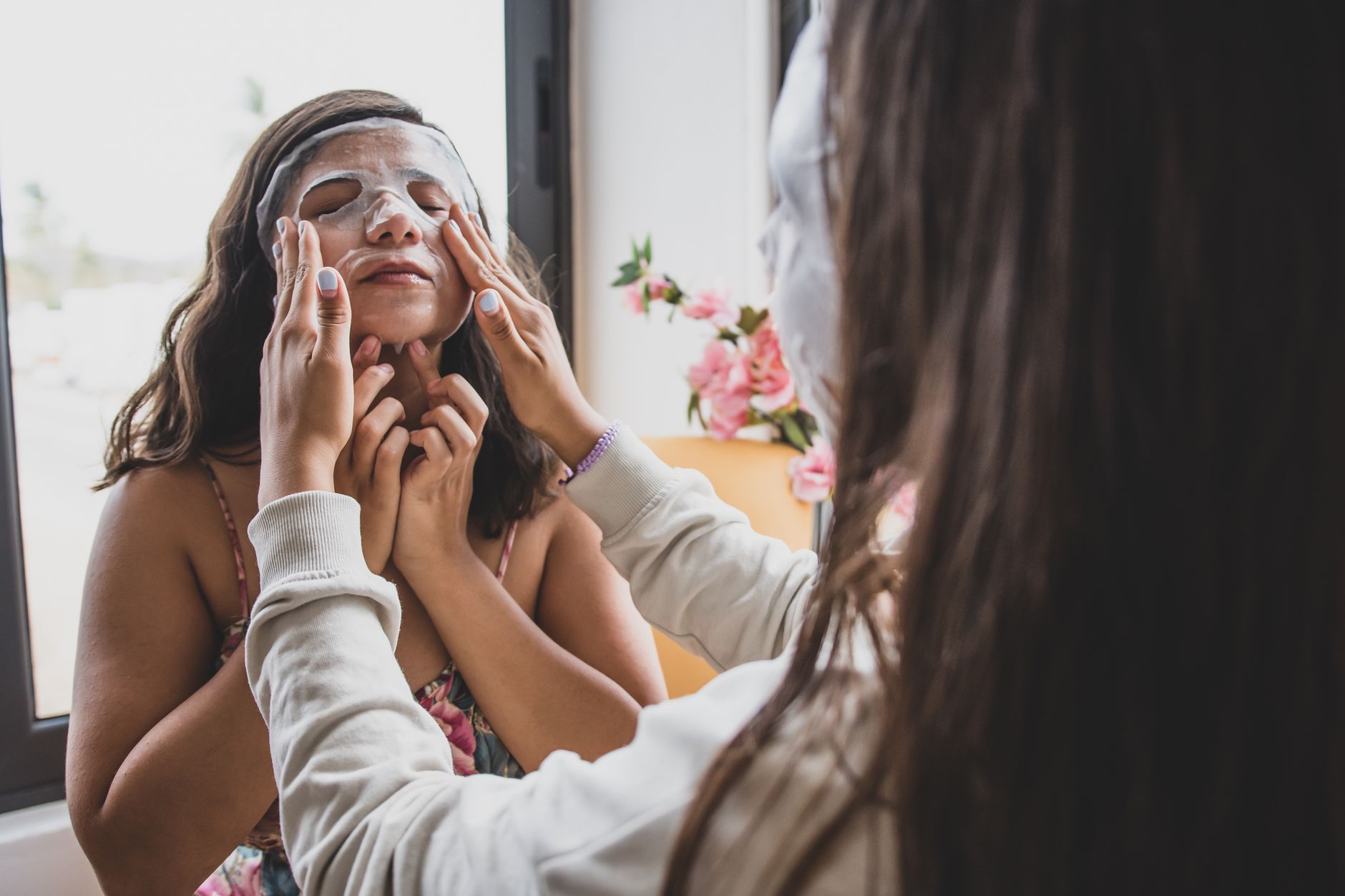
At AAD 2026, pediatric acne care centered on individualized treatment selection for teens with early acne. Pediatric acne means breakouts in children and teens that can differ from adult acne in triggers, pattern, and response. The discussion was previewed for the Academy's annual meeting, held March 27-31, 2026 in Denver, as reported in the meeting announcement from Incyte via Business Wire meeting details. The American Academy of Dermatology previewed Dawn Eichenfield, MD, FAAD, PhD of Rady Children's Hospital-San Diego and UC San Diego, to explain why early diagnosis and tailored therapy matter the AAD meeting preview.
Medical information disclaimer: This article is for general educational purposes only and does not provide medical advice, diagnosis, or treatment. Always consult a physician or other qualified health professional about symptoms, medications, tests, or treatment decisions.
Table of Contents
- Why does early teen acne need a tailored plan?
- What are first-choice options after age 9?
- When are combinations or antibiotics considered?
- How do families pick a routine a teen will keep?
Why does early teen acne need a tailored plan?
Acne is common in adolescence, affecting about 85% of teens, according to AAD reporting summarized by Newswise. Early spots in the T-zone, blackheads, and tender red bumps deserve prompt attention. Early care can limit spread, scarring, and frustration.
Pediatric skin is not small adult skin. Sensitivity, hair and hormone changes, sports, and school routines shape choices. A tailored plan weighs age, severity, face and trunk involvement, and what a teen will actually use.
What are first-choice options after age 9?
For patients over age 9, AAD strongly recommends benzoyl peroxide and topical retinoids, alone or combined. The retinoid group includes adapalene, tretinoin, tazarotene, and trifarotene, based on 18 recommendations plus 5 good-practice statements summarized by Clinical Advisor. Benzoyl peroxide fights acne bacteria and helps prevent resistance.
Retinoids unclog pores, calm early comedones, and improve other topicals. Teens often start with one topical at night, then add a morning product if tolerated. Age labels help narrow choices at the visit:.
- trifarotene 0.005% cream is FDA-approved for acne vulgaris at age 9 and older
- clascoterone 1% cream, a topical androgen-receptor inhibitor, is indicated at age 12 and older, as listed in the approval histories summarized on Drugs.com approval background
- fixed triple gel with clindamycin, benzoyl peroxide, and adapalene is for age 12 and up
When are combinations or antibiotics considered?
AAD advises against antibiotic monotherapy because of bacterial resistance. Systemic doxycycline is paired with topical therapy, not used alone. Topical antibiotics are likewise paired with benzoyl peroxide or a retinoid. Fixed combinations can simplify early-teen regimens.
The FDA-approved triple gel of clindamycin 1.2%, benzoyl peroxide 3.1%, and adapalene 0.15% is applied once daily for ages 12 and up, which may aid adherence versus multi-product routines, according to the Bausch Health announcement reported by Healio approval report. Parents should ask how long to try a plan before judging it. They should ask what to apply morning versus night, how much to use, and when to call about burning, peeling, or worsening. Clear follow-up keeps mild irritation from ending treatment too soon.
How do families pick a routine a teen will keep?
Personalizing means matching the right drug in the right vehicle to the right patient, Dermatology Times reported. Efficacy, tolerability, trunk involvement, and adherence all count. Acne therapy is a marathon that needs steady topical use. Vehicle and habit matter as much as strength.
A light gel may suit oily skin, while cream or lotion may suit sensitive cheeks. Sports helmets, hair oils, picking, and missed doses can blunt progress. AAD's workgroup also flagged gaps on microbiology and hormone testing, non-tetracycline systemic antibiotics, light and physical treatments, diet, and cost-effectiveness. It made no specific dietary recommendation. Bring the full product list, note chest and back breakouts, and ask for one simple written routine.
You Might Also Like
- Individualized Pediatric Acne Care Discussed at AAD 2026: Diagnosis and Look-Alike Questions for Teens With Early Acne
- Early Pediatric Acne Assessment Highlighted at AAD 2026: Diagnosis and Look-Alike Questions for Teens With Early Acne
- Milk, Dairy, and Acne Evidence Revisited in 2026: Questions Teens With Acne Can Ask a Dermatologist