
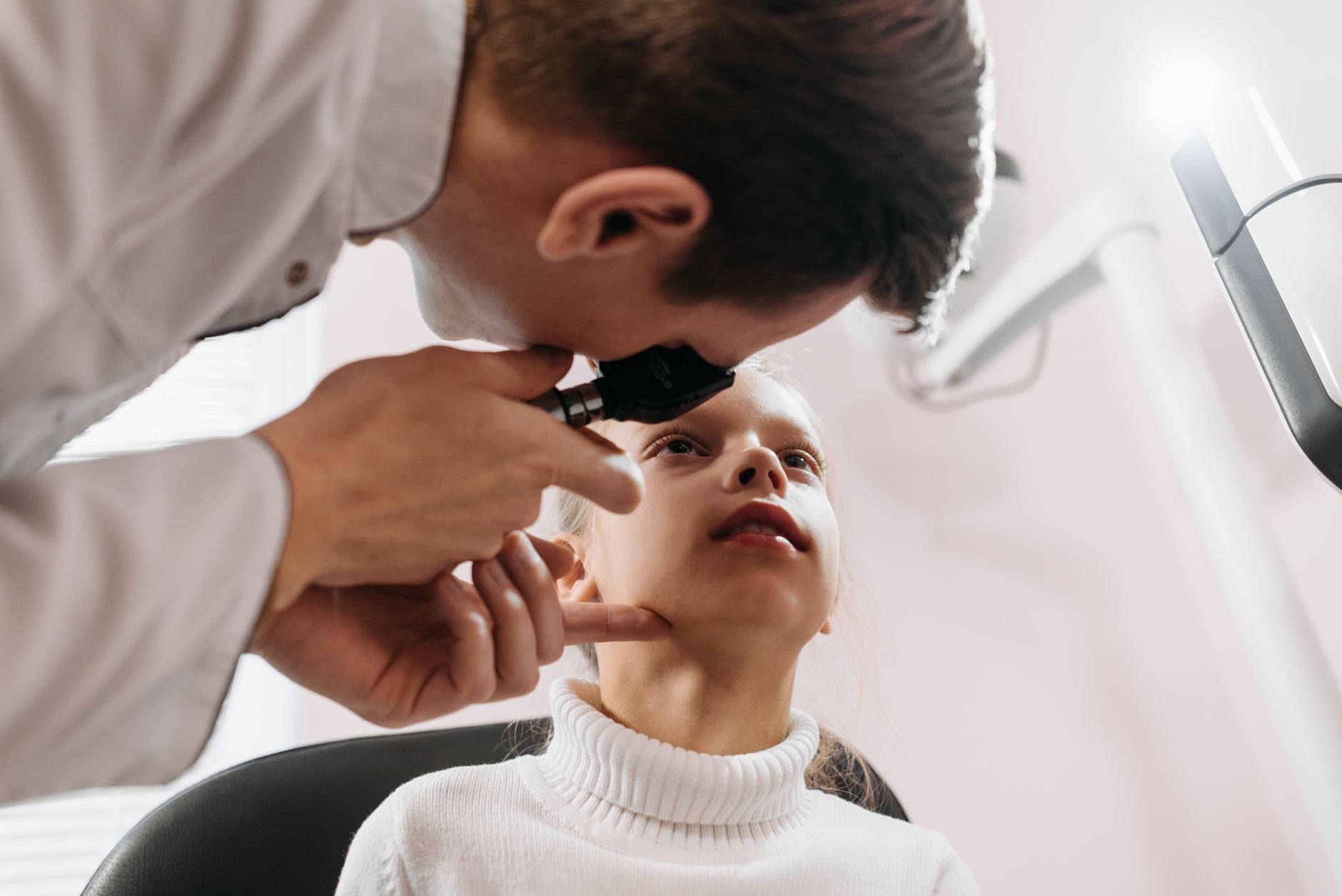
Individualized pediatric acne care was discussed at AAD 2026 as severity-based treatment for teens. Individualized means the clinician matches strength, combination, and tolerance to the teen's acne type and skin response. The 2026 American Academy of Dermatology Annual Meeting convened March 27-31, 2026 in Denver, Colorado with dermatology research including acne topics, according to Newsfile's AAD meeting preview AAD meeting preview. Sun Pharma's presentation of 14 abstracts across psoriasis, alopecia areata and acne medications confirmed acne as an active research track.
Medical information disclaimer: This article is for general educational purposes only and does not provide medical advice, diagnosis, or treatment. Always consult a physician or other qualified health professional about symptoms, medications, tests, or treatment decisions.
Table of Contents
- What was new for teens at AAD 2026?
- Which treatment fits which severity?
- What non-antibiotic options help teens 12 and older?
- How should parents individualize the next visit?
- Frequently Asked Questions
What was new for teens at AAD 2026?
Kenvue investigators presented a 3.5% benzoyl peroxide formulation that maintained acne efficacy with enhanced skin tolerance, according to Kenvue via ADVFN Kenvue research update. That balance matters for irritation-prone teen skin. Lower irritation supports daily use through school, sports, and cold or dry weather.
Researchers also reported that teens and adults with pre-existing inflammatory acne who started biologic therapy had greater risk of needing escalation to systemic acne therapy, according to Dermatology Advisor biologics and acne report. Inflammatory acne means red bumps, painful lumps, or pus-filled spots. Parents should tell the dermatologist about eczema, psoriasis, arthritis, bowel disease, or any biologic prescription.
Which treatment fits which severity?
AAD's updated acne guidelines strongly recommend topical benzoyl peroxide, retinoids and/or antibiotics and fixed-dose combinations, plus oral doxycycline, with oral isotretinoin for severe acne. Mild comedonal acne often starts with one topical or a fixed combination. Moderate to severe inflammatory acne may need combination topicals, oral doxycycline, or isotretinoin under close supervision.
Avoid topical antibiotic monotherapy. Used alone, it raises resistance risk and loses effect. Fixed combinations pair the antibiotic with benzoyl peroxide or a retinoid. The plan should change if breakouts spread, scar, darken, cause pain, or harm mood and school life.
What non-antibiotic options help teens 12 and older?
FDA approved clindamycin 1.2%/adapalene 0.15%/benzoyl peroxide 3.1% gel (Cabtreo) for acne vulgaris in patients aged 12 years and older as the first triple-combination topical, according to the ConsultantLive FDA approval notice FDA approval notice. It combines antibiotic, retinoid, and benzoyl peroxide in one product. One product can simplify morning and night routines.
FDA-approved clascoterone 1% cream is a topical androgen-receptor inhibitor indicated for acne vulgaris in patients 12 years and older. It blocks androgen signals in skin, a driver of oil and breakouts. That expands non-antibiotic options for teens who need rotation away from antibiotics.
How should parents individualize the next visit?
Bring a short history and clear photos in the same light. Note onset, menstrual pattern, hair products, shaving, picking, sports gear, and prior products with dates used.
Conference abstracts at AAD 2026 are preliminary presentations, not full peer-reviewed guideline changes, so parents should use severity-based, clinician-individualized plans. Ask whether a lower-strength benzoyl peroxide, fixed-dose combination, or non-antibiotic topical fits first. Ask how long to trial it before stepping up, adding oral therapy, or considering isotretinoin for severe disease.
- Severity now: blackheads and whiteheads only, red bumps, painful lumps, scarring or dark marks
- Tolerance: burning, peeling, dryness, days missed, and what soothes or worsens it
- Other care: current prescriptions, biologics, supplements, and topical antibiotic use alone
- Goal and follow-up: target areas, school-photo timeline, and when to call about side effects
Frequently Asked Questions
Does my teen need oral medication?
Not always. Many teens improve with topicals or fixed combinations, while widespread, painful, scarring, or persistent acne may lead a clinician to add oral doxycycline or discuss isotretinoin for severe acne.
Can my teen use benzoyl peroxide with sensitive skin?
Ask the dermatologist about concentration, contact time, moisturizer pairing, and frequency. The Kenvue finding on tolerated 3.5% benzoyl peroxide shows why tolerance is part of product choice.
What if acne worsens after starting a biologic for another condition?
Call both prescribers promptly. Bring the biologic name, start date, acne photos, and current acne regimen so they can decide whether systemic acne therapy is needed.
You Might Also Like
- Individualized Pediatric Acne Care Discussed at AAD 2026: How Parents of Teens With Acne Can Read the Conference Headline Carefully
- Early Pediatric Acne Assessment Highlighted at AAD 2026: Skin-Care Routine Questions for Parents of Teens With Acne
- Early Pediatric Acne Assessment Highlighted at AAD 2026: How Parents of Teens With Acne Can Read the Conference Headline Carefully