
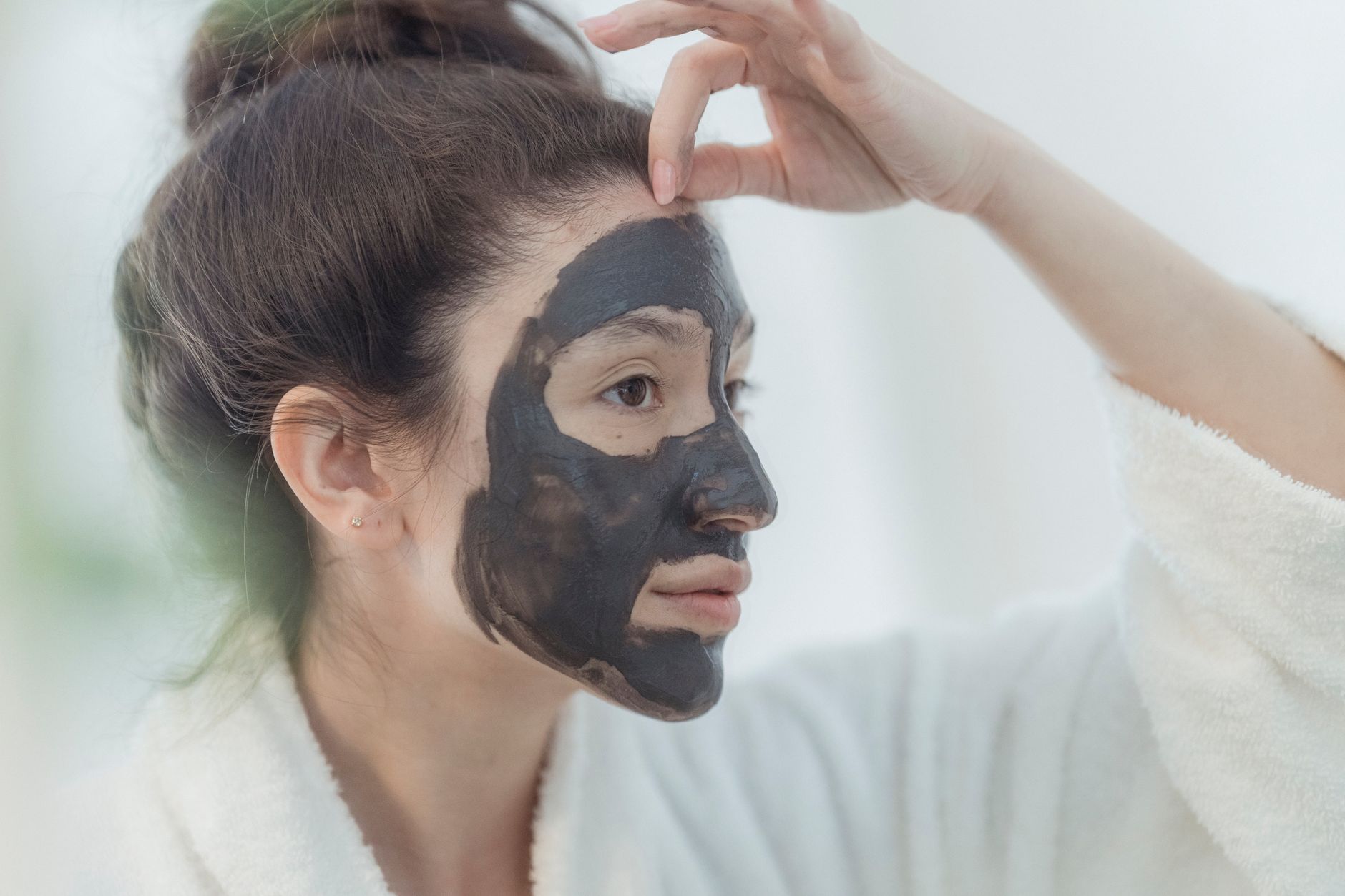
To reduce blackheads and acne with salicylic acid, clean skin first and apply a thin layer of 0.5% to 2% product over the entire affected area once daily. Increase to up to three times daily only if needed and well tolerated, as described in the DailyMed FDA label in the example product label. Salicylic acid is an oil-soluble beta-hydroxy acid that dissolves into sebum inside hair follicles. That oil solubility lets it reach pore-lining buildup where water-based acids cannot easily go.
Medical information disclaimer: This article is for general educational purposes only and does not provide medical advice, diagnosis, or treatment. Always consult a physician or other qualified health professional about symptoms, medications, tests, or treatment decisions.
Table of Contents
- How does it clear blackheads?
- What strength should you buy?
- How do you apply it without over-drying?
- What combinations should you avoid?
How does it clear blackheads?
Salicylic acid loosens bonds between dead skin cells to shed pore-lining buildup. Cleveland Clinic explains that this action clears oil-and-debris plugs behind blackheads in its topical guide. It also softens and loosens dry, scaly, or thickened skin so it falls off or can be removed.
Cleveland Clinic and MedlinePlus link that keratolytic action plus faster cell turnover to fewer clogged pores. For inflamed breakouts, MedlinePlus notes reduced swelling and redness plus unplugged pores so pimples can shrink. The effect is clearing existing lesions and helping prevent new pimples and blemishes.
What strength should you buy?
For acne, U.S. FDA regulation permits salicylic acid as an OTC active ingredient only at 0.5% to 2%. Cornell LII reflects that limit in 21 CFR 333.310 in the federal rule text.
Higher concentrations are reserved for other uses such as wart or corn and callus removers. Do not substitute those stronger products for acne care. The 2024 American Academy of Dermatology acne guideline conditionally recommends salicylic acid for acne with low certainty of evidence. That recommendation is weaker than strong recommendations for benzoyl peroxide and retinoids, which matters when acne is widespread, painful, or scarring.
How do you apply it without over-drying?
Start with clean skin and a thin layer over the whole breakout zone, not spot-dabbing alone. Treating the entire affected area addresses early plugs before they darken or inflame.
Once-daily starts lower the risk of flaking around the mouth and nose. If peeling appears, reduce frequency before adding moisturizers or second actives.
- Clean skin first
- Apply a thin layer over the entire affected area once daily to start
- Increase to two or three times daily only if needed
- Cut back frequency if bothersome dryness or peeling occurs
What combinations should you avoid?
Skin irritation and excessive drying are more likely when salicylic acid is combined with another topical acne medication. DailyMed FDA labeling advises using only one such product at a time if irritation occurs in the example product label. That caution covers leave-on plus wash-off layering, since irritation can build across steps.
Pause the second acne product until redness, stinging, or tightness settles. Use sunscreen when going outside during treatment. Reapply after sweating and limit added exfoliants until skin feels calm.