
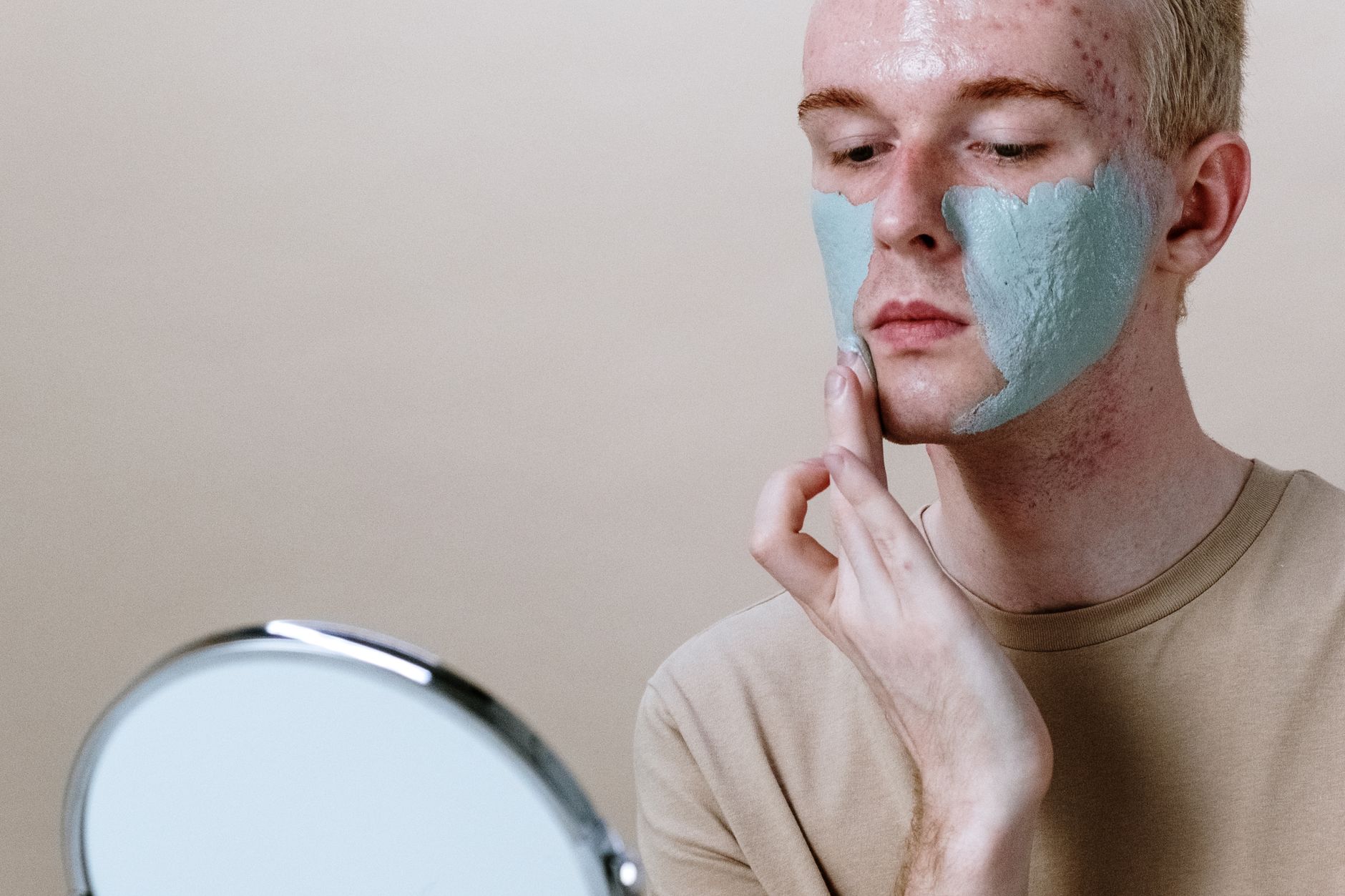
Acne Studios, the Stockholm-based luxury fashion house, has begun integrating comprehensive workplace fitness initiatives that are reshaping how the fashion industry approaches employee wellness. While the luxury fashion sector has long prioritized aesthetic standards, Acne Studios distinguishes itself by connecting physical fitness with holistic employee health—including skin health and stress management—rather than treating gym access as a peripheral benefit. This approach reflects a broader industry shift where fashion companies recognize that employee fitness directly impacts productivity, sick leave reduction, and even the creative output that defines their brands.
The connection between workplace fitness and skin health is neither trivial nor purely cosmetic. Regular physical activity improves circulation, reduces stress hormones that trigger acne, and supports natural detoxification processes. For a company in an industry where appearance carries professional weight, embedding fitness into workplace culture acknowledges that employee wellness extends beyond aesthetic concerns into genuine health outcomes. Acne Studios’ model demonstrates how fashion brands can set standards that other luxury companies are beginning to follow.
Table of Contents
- What Makes Fashion Industry Workplace Fitness Different From Other Sectors?
- The Link Between Exercise and Acne Management in Professional Settings
- How Workplace Fitness Programs Address Seasonal Fashion Industry Stress Cycles
- Implementing Fitness Standards Across Design, Production, and Administrative Teams
- The Risk of Inadequate Recovery and Over-Exercise in Competitive Workplaces
- Integration With Mental Health Support and Stress Management
- Measurable Health Outcomes and Industry Adoption Patterns
What Makes Fashion Industry Workplace Fitness Different From Other Sectors?
The fashion industry’s approach to fitness differs fundamentally from tech or finance sectors because appearance-related wellness carries legitimacy rather than stigma. While other industries frame fitness programs around cardiovascular health and productivity metrics, fashion companies can directly acknowledge the visual and psychological components of wellness without pretense. This transparency allows for more integrated programs that address stress-related skin conditions, sleep quality affecting skin regeneration, and the mental health benefits of physical activity.
acne Studios implements this by offering on-site fitness facilities, subsidized gym memberships, and structured movement breaks during design and production cycles. Unlike generic “wellness programs” in other sectors, fashion-industry fitness initiatives can incorporate industry-specific needs: relief from the postural strain of pattern-making and sample fitting, flexibility training for the repetitive motions involved in fashion design, and stress management during seasonal collection deadlines. The company also recognizes that many fashion employees work irregular hours during production cycles, so their fitness offerings accommodate non-traditional schedules rather than assuming 9-to-5 availability.
The Link Between Exercise and Acne Management in Professional Settings
Physical activity influences acne development through multiple biological pathways that workplace fitness programs can target directly. Exercise reduces cortisol and other stress hormones that trigger sebum overproduction and inflammatory acne responses. It simultaneously improves cardiovascular circulation, delivering oxygen and nutrients to skin cells while removing metabolic waste more efficiently. For employees in high-stress fashion environments—where seasonal deadlines and collection cycles create intense work periods—these physiological benefits translate into measurable improvements in skin health.
However, the acne-fitness relationship includes important limitations that acne Studios addresses through program design. Intense exercise without proper hygiene can increase bacterial colonization on skin and exacerbate acne through sweat and friction. The company’s fitness facilities therefore include showers and skincare stations at workout areas, reducing the barrier between exercise and proper post-workout skin cleansing. Additionally, excess exercise without adequate recovery can elevate cortisol, reversing the anti-acne benefits. Acne Studios’ program emphasizes moderate, sustainable fitness rather than intense training regimens, recognizing that the goal is employee wellness rather than athletic performance.
How Workplace Fitness Programs Address Seasonal Fashion Industry Stress Cycles
Fashion production operates in intense, cyclical bursts rather than the steady workflow of most industries. Collection development, sample creation, and production ramp-ups create 8-12 week periods of elevated stress followed by relative downtime. During high-stress periods, employees experience disrupted sleep, increased stress eating, and elevated cortisol—all factors that worsen acne and skin inflammation. Acne Studios’ fitness approach acknowledges these cycles by adjusting program intensity and accessibility based on production calendars.
During peak production periods, the company offers shorter, higher-efficiency workouts—30-minute HIIT sessions, guided breathing classes, and stretching routines—that fit into compressed schedules while still delivering stress-reduction benefits. During less-intensive periods, longer strength training and recovery-focused activities become available. This cyclical approach prevents the common failure mode where workplace fitness programs assume steady availability and become irrelevant during critical business periods. The company also provides nutritional guidance during high-stress cycles, recognizing that diet directly influences both skin health and energy levels during demanding production phases.
Implementing Fitness Standards Across Design, Production, and Administrative Teams
Different roles within fashion companies face distinct physical demands and stress profiles, requiring differentiated fitness approaches. Design teams experience repetitive strain from computer work and pattern-making; production teams manage the physical demands of standing, lifting, and detailed handwork; administrative staff face sedentary work stress. Rather than a one-size-fits-all program, Acne Studios offers role-specific fitness pathways while maintaining a unified wellness culture. For design teams, the company emphasizes posture correction, shoulder and neck mobility work, and ergonomic assessment of workstations.
For production staff, programs focus on lower-body strength, core stability to support standing work, and injury prevention training. This targeted approach increases participation rates compared to generic gym access, because employees see direct relevance to their daily work. Administrative staff receive stress-management and flexibility programming. The limitation of this approach is operational complexity: offering multiple program pathways requires more staff expertise and budget than a single corporate gym contract. However, Acne Studios treats this not as overhead but as core employee health infrastructure.
The Risk of Inadequate Recovery and Over-Exercise in Competitive Workplaces
Luxury fashion environments can cultivate perfectionism and over-commitment that extends into fitness itself. Without careful program design, workplace fitness initiatives can become additional sources of pressure rather than stress relief. Some employees may overexercise, viewing fitness as another metric for professional evaluation rather than health support. This excess exercise creates the opposite problem: elevated stress hormones, immune suppression, and worsened skin conditions including acne flare-ups from excessive sweating and inflammation.
Acne Studios addresses this by explicitly framing fitness as health support rather than performance competition. The company tracks program participation but explicitly does not use it as an employee performance metric. Trainers are instructed to discourage overtraining and emphasize recovery, sleep, and rest days. This messaging matters because fashion industry culture already emphasizes physical appearance and discipline; fitness programs must actively counter the assumption that more exercise equals better outcomes. The company also provides access to recovery modalities—massage, sauna, and cold therapy—recognizing that recovery drives adaptation and health gains more than training volume.
Integration With Mental Health Support and Stress Management
Workplace fitness functions most effectively when integrated with mental health support rather than isolated as physical exercise. Acne Studios pairs its fitness programs with mental health resources, including counseling, stress management workshops, and mindfulness training. This integration matters because psychosomatic factors trigger stress-related acne; addressing only the physical component while ignoring underlying anxiety or work-related stress produces limited benefits.
The company sponsors guided meditation sessions before high-stress production phases, provides access to therapists, and trains managers in stress-aware leadership. This holistic approach acknowledges that a person cannot exercise their way out of unsustainable work conditions; fitness supports wellbeing only when paired with reasonable workloads and emotional support systems. During interviews with industry observers, the combination of fitness access plus mental health support has emerged as more effective than fitness alone.
Measurable Health Outcomes and Industry Adoption Patterns
While luxury fashion companies rarely publish detailed employee health data, industry reports suggest that comprehensive workplace fitness programs correlate with reduced skin-related health issues and lower absenteeism rates. Companies that integrate fitness with skincare guidance and stress management report fewer employees taking sick leave for stress-related conditions, including acne exacerbation. Acne Studios’ approach has influenced other European luxury fashion houses to expand their wellness offerings, though adoption remains uneven across the industry.
The scalability of Acne Studios’ model remains limited by cost: comprehensive on-site fitness facilities, trained staff, and integrated mental health services require significant capital investment that smaller fashion companies cannot support. Mid-size production companies often substitute with subsidized gym partnerships and wellness app subscriptions, which deliver measurable but more modest health benefits. The gap between what larger companies like Acne Studios can offer and what smaller fashion brands can sustain creates an unequal landscape where workplace fitness becomes a luxury benefit that reinforces existing employment inequality.
- —