
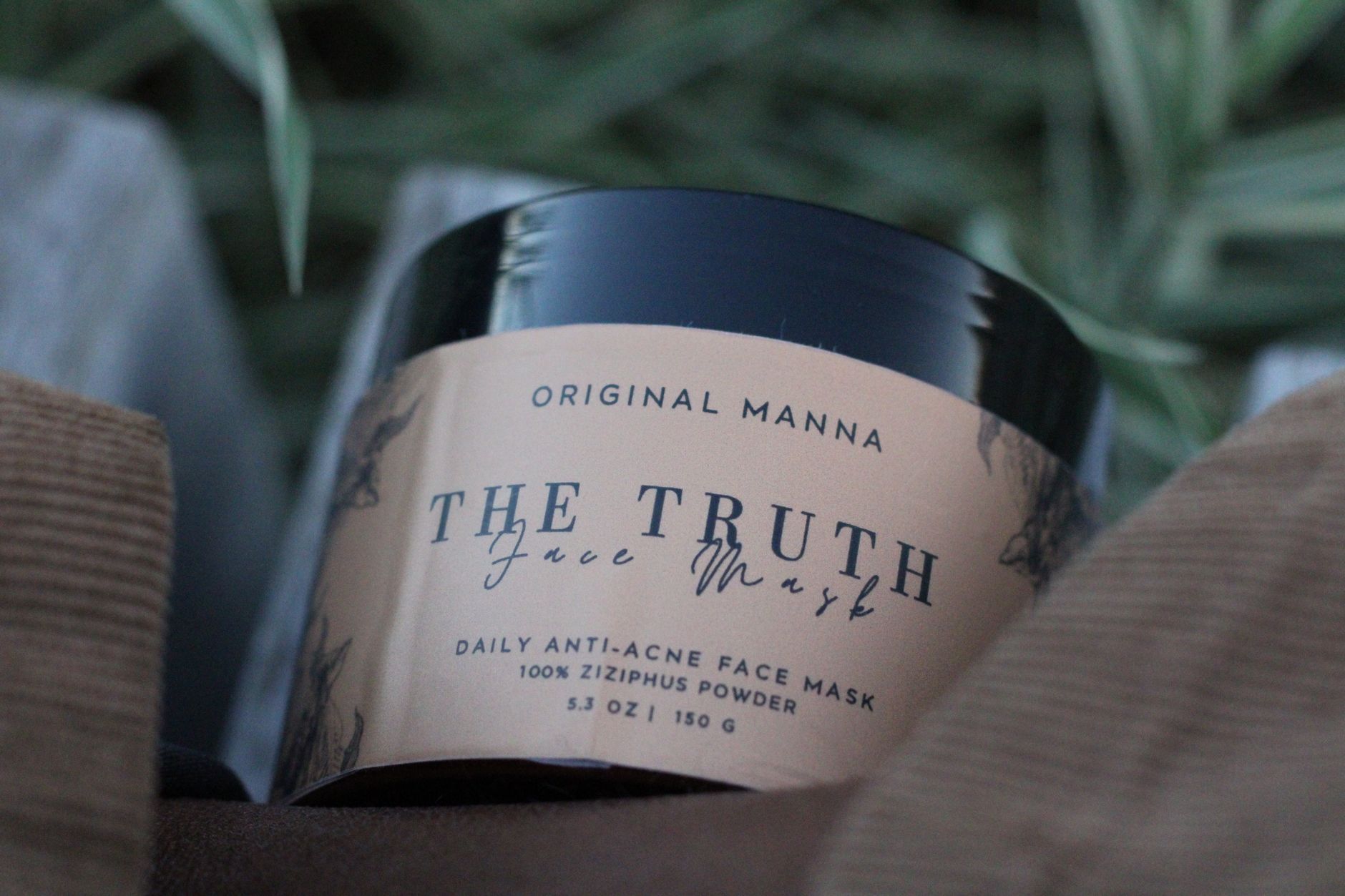
Recent herbal acne trials enrolled adults, not teens with inflammatory acne. Inflammatory acne means red, tender bumps and pus-filled pimples. The 2026 Herbal Balance Solution pilot studied adults with mild-to-moderate acne vulgaris and excluded anyone under 18. As reported by the Journal of Cosmetic Dermatology, that open-label, single-arm study found better acne measures and barrier function with a favorable safety profile but had no control group, described in the 2026 Herbal Balance Solution report.
Medical information disclaimer: This article is for general educational purposes only and does not provide medical advice, diagnosis, or treatment. Always consult a physician or other qualified health professional about symptoms, medications, tests, or treatment decisions.
Table of Contents
- Who Was in the 2026 Herbal Solution Trial
- Why Teens With Inflamed Breakouts Were Left Out
- What Larger Reviews Say About Herbal Evidence
- Which Options Have Strong Support for Teens
Who Was in the 2026 Herbal Solution Trial
The 2026 trial enrolled adults with mild-to-moderate acne vulgaris. It tested a Herbal Balance Solution in an open-label, single-arm pilot. The Journal of Cosmetic Dermatology reported improved acne parameters and skin-barrier function with a favorable safety profile.
Without a control group, the design cannot show how the solution compares to no treatment or standard care. Exclusions were strict. The trial excluded pregnancy, lactation, recent topical use on the study area, sensitive skin conditions, and ingredient allergy, plus anyone under 18.
Why Teens With Inflamed Breakouts Were Left Out
A Korean protocol for Cheongsangbangpoong-tang targeted inflammatory acne but required participants older than 19 years. It required more than 10 inflammatory facial lesions. A separate randomized, double-blind, placebo-controlled trial tested a nine-plant antiacne cream in only 41 patients aged 18-24. Patients applied cream two to three times daily for six weeks with no reported toxicity.
As reported in Evidence-Based Complementary and Alternative Medicine, teens, severe acne, and long-term use remained untested, detailed in the nine-plant cream trial report. For teen readers, the gap is direct. Trials aimed at inflamed lesions still set adult age cutoffs. Results in adults aged 18 to 24 do not transfer automatically to younger skin.
What Larger Reviews Say About Herbal Evidence
Cochrane's review of complementary therapies found only low-quality evidence from single trials. Low-glycemic-load diet, tea tree oil, and bee venom may reduce total lesions.
The same review found lack of evidence for herbal medicine. It also noted potential for adverse effects from herbals. Small samples and single trials limit confidence.
Which Options Have Strong Support for Teens
The American Academy of Dermatology's 2024 guidelines give strong recommendations to benzoyl peroxide, topical retinoids, topical antibiotics and combinations, plus oral isotretinoin for severe disease. No herbal treatment received a strong recommendation, summarized in the 2024 AAD acne guidelines summary. The U.S. National Center for Complementary and Integrative Health warns that natural does not mean safe.
Supplement rules are less strict than drug rules, and contamination with hidden drugs occurs. Families should disclose use to clinicians, as explained in the NCCIH supplement safety tips. Because recent trials enrolled adults, excluded pregnancy and recent acne drugs, and used small uncontrolled designs, teens should not assume safety or efficacy. Use proven care with clinician oversight.
- Check age and eligibility before trusting a trial result
- Tell your clinician about any herbal cream, tea, or supplement
- Ask which proven prescription or over-the-counter option fits severe, inflamed acne
- Bring the product label to the visit
You Might Also Like
- Microbiome-Friendly Acne Care Questions Raised in 2026: Safety and Skin-Reaction Questions for Teens With Inflammatory Acne
- Microbiome-Friendly Acne Care Questions Raised in 2026: How Teens With Inflammatory Acne Can Compare Probiotic Claims
- Microbiome-Friendly Acne Care Questions Raised in 2026: How Teens With Inflammatory Acne Can Avoid Microbiome Hype