
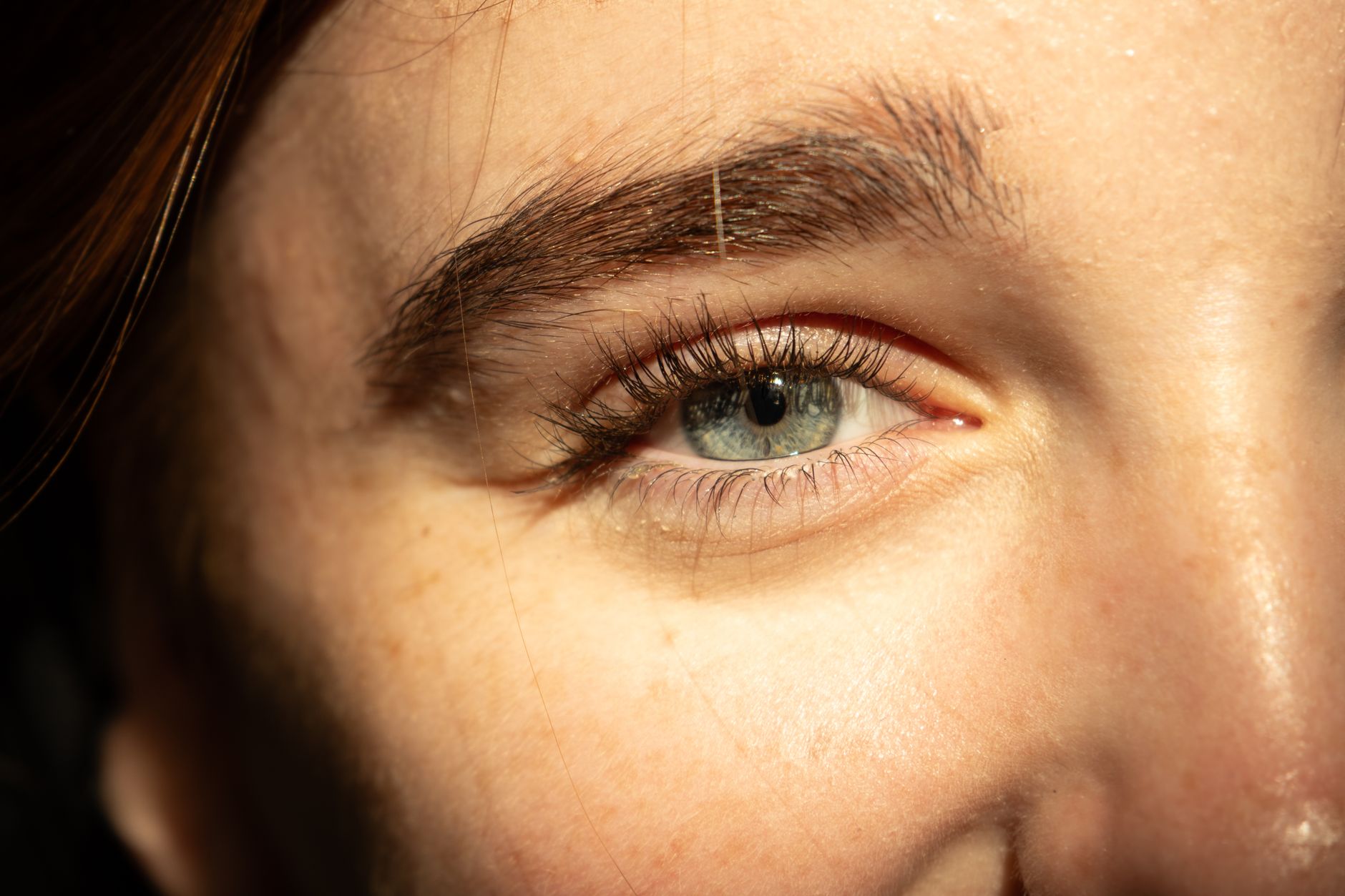
Ice can calm both puffiness and inflamed pimples, but it clears neither. Skin-icing — brief contact of wrapped cold with skin — gives short-term relief of swelling, redness and pain.
Singer Gracie Abrams demonstrates skin-icing and discusses adult acne in Vogue's Daytime Glam Routine video, as shown in Vogue's Beauty Secrets episode. Her demo raised a practical question for acne-prone readers. Effects depend on what readers ice and what result they expect.
Medical information disclaimer: This article is for general educational purposes only and does not provide medical advice, diagnosis, or treatment. Always consult a physician or other qualified health professional about symptoms, medications, tests, or treatment decisions.
Table of Contents
- What Does Cold Do for Puffiness?
- Which Breakouts Look Better After Icing?
- Why Is Ice Not an Acne Treatment?
- How to Ice Without Harming Skin?
What Does Cold Do for Puffiness?
Board-certified dermatologist Hadley King says cold compresses may relieve occasional under-eye puffiness. King attributes the effect to shrinking blood vessels in the affected area, according to National Geographic's reporting on ice facials. That narrowing can make swelling look smaller for a short time.
Cosmetic doctor Sonakshi Khorana told Marie Claire UK that icing effects are variable and temporary. Morning puffiness may fade and return later. No scientific evidence shows it lowers oil production or helps products sink in deeper.
Which Breakouts Look Better After Icing?
Healthline reports icing pimples can reduce swelling, redness, apparent size and pain in inflammatory acne, as described in Healthline's guide to ice on pimples. Inflammatory means red, swollen and often tender, including cysts, nodules, pustules and papules. Blackheads are noninflammatory plugs without that swelling, so ice is unlikely to change them.
Pain relief can matter most with deep, sore nodules. A surface pustule or papule may look smaller and feel less sore for a short period. Results vary from person to person and fade.
Why Is Ice Not an Acne Treatment?
Medical News Today notes ice alone does not cure pimples. It does not unclog pores, kill acne-causing bacteria, or address hormonal triggers behind persistent breakouts. Less redness is not the same as a cleared pore.
Reporting on American Academy of Dermatology guidance, MedicalXpress lists benzoyl peroxide, topical retinoids, antibiotics and oral isotretinoin for severe acne. Icing is not among those strongly recommended options. Persistent, painful or scarring acne needs proven care, not cold alone.
How to Ice Without Harming Skin?
Dermatologists told Marie Claire UK that direct or prolonged icing can cause ice burn, broken capillaries, dryness and barrier damage. Risk runs higher for sensitive skin, rosacea, eczema or cold-induced hives.
Barrier means the outer layer that holds moisture in and irritants out. Healthline advises safer icing with wrapped ice and brief contact, detailed in Healthline's nodular-acne pain-relief guidance. Short contact lowers burn risk.
- wrap ice in a clean cloth or plastic bag
- keep contact brief: about 1 minute for pimples or 5-10 minutes for painful nodular acne
- never place bare ice directly on skin
- skip icing irritated or reactive areas if cold triggers burning, dryness or hives