
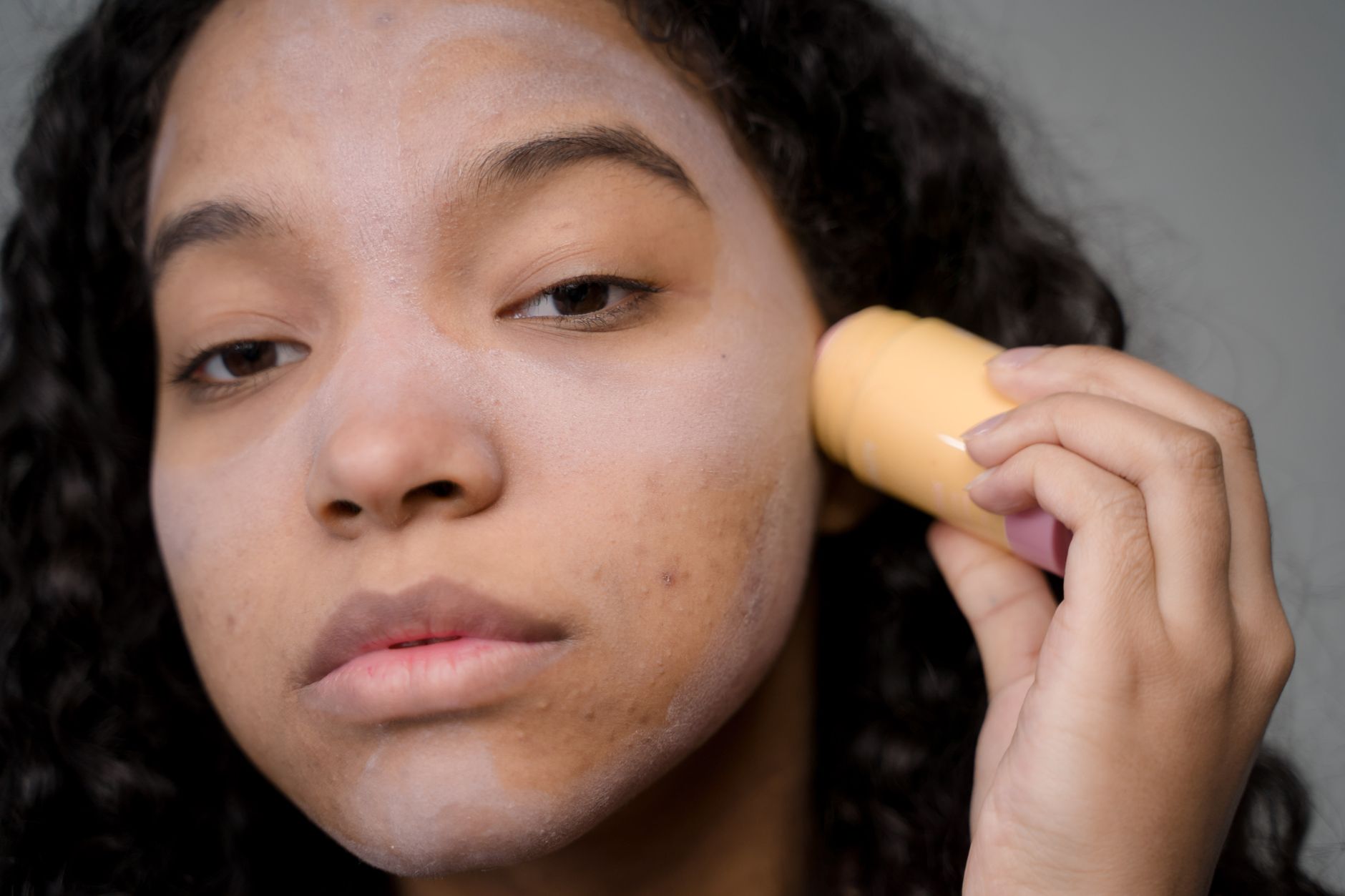
This FAQ gives source-checked answers to common fungal acne and acne questions for October 2026. Fungal acne is Malassezia folliculitis, a yeast infection of hair follicles, while acne vulgaris is a different clogged-pore and bacterial disease that needs different treatment. Use the answers below to spot likely type, choose proven treatment, and handle safety issues like sun exposure, diet claims, product storage, and isotretinoin rules.
Medical information disclaimer: This article is for general educational purposes only and does not provide medical advice, diagnosis, or treatment. Always consult a physician or other qualified health professional about symptoms, medications, tests, or treatment decisions.
Table of Contents
- Is it fungal acne or regular acne?
- How is fungal acne treated?
- What works for regular acne vulgaris?
- Should you still use benzoyl peroxide?
- What precautions apply to isotretinoin and doxycycline?
Is it fungal acne or regular acne?
Fungal acne causes uniform itchy bumps and pus spots on the chest, back, or forehead. The spots often look alike and do not improve with standard acne therapy. Cleveland Clinic describes this pattern as overgrowth of normal skin yeast infecting follicles, detailed in Cleveland Clinic guidance.
Dermatologists look for a monomorphic itchy eruption. They confirm yeast in follicles with direct microscopy or KOH, dermoscopy, or Wood's lamp. Improvement on an antifungal also supports the diagnosis.
How is fungal acne treated?
Treatment targets yeast, not clogged pores. First-line care is topical ketoconazole or econazole cream or shampoo. Severe or widespread cases may need oral fluconazole or itraconazole.
Relapse is common. Some people need maintenance therapy to stay clear. Keep sweaty clothes changed, shower after heavy sweating, and ask a clinician before repeating oral antifungals.
- Warning signs pointing toward folliculitis: uniform itchy bumps, forehead or chest-back spread, flare in heat and sweat, no response to benzoyl peroxide or retinoids
What works for regular acne vulgaris?
Acne vulgaris affects many teens and adults. The American Academy of Dermatology's 2024 update strongly recommends topical benzoyl peroxide, retinoids, or antibiotics in combination, plus oral doxycycline for appropriate cases and oral isotretinoin for severe, scarring, or treatment-resistant disease, as reported in the AAD guidance summary.
Combination therapy works better than single products. Diet alone does not replace it. High glycemic-load diets and frequent skim-milk intake are linked to worse acne in studies, but evidence is too weak to prescribe dietary change.
Should you still use benzoyl peroxide?
Yes, with normal storage and recall checks. FDA testing of 95 benzoyl peroxide products found more than 90 percent had undetectable or extremely low benzene, with only 6 lots recalled at retail, contradicting higher third-party heated-incubation results, according to the FDA findings summary.
Heat can raise benzene formation. Store benzoyl peroxide at room temperature, avoid hot cars or radiators, and check recall lot numbers before use. Discard discolored, swollen, or expired tubes.
What precautions apply to isotretinoin and doxycycline?
On Feb. 9, 2026, FDA approved reduced-burden iPLEDGE changes for isotretinoin. The changes allow clinician-approved pregnancy testing outside clinic and remove repeat-test waiting-period lockouts, while keeping fetal-risk safeguards, with effect 180 days later, per the FDA approval notice.
Oral doxycycline brings a sun risk. It causes photosensitivity with exaggerated sunburn after brief exposure. Use daily noncomedogenic SPF 30 or higher, seek shade midday, and keep sun avoidance during treatment and shortly after.