
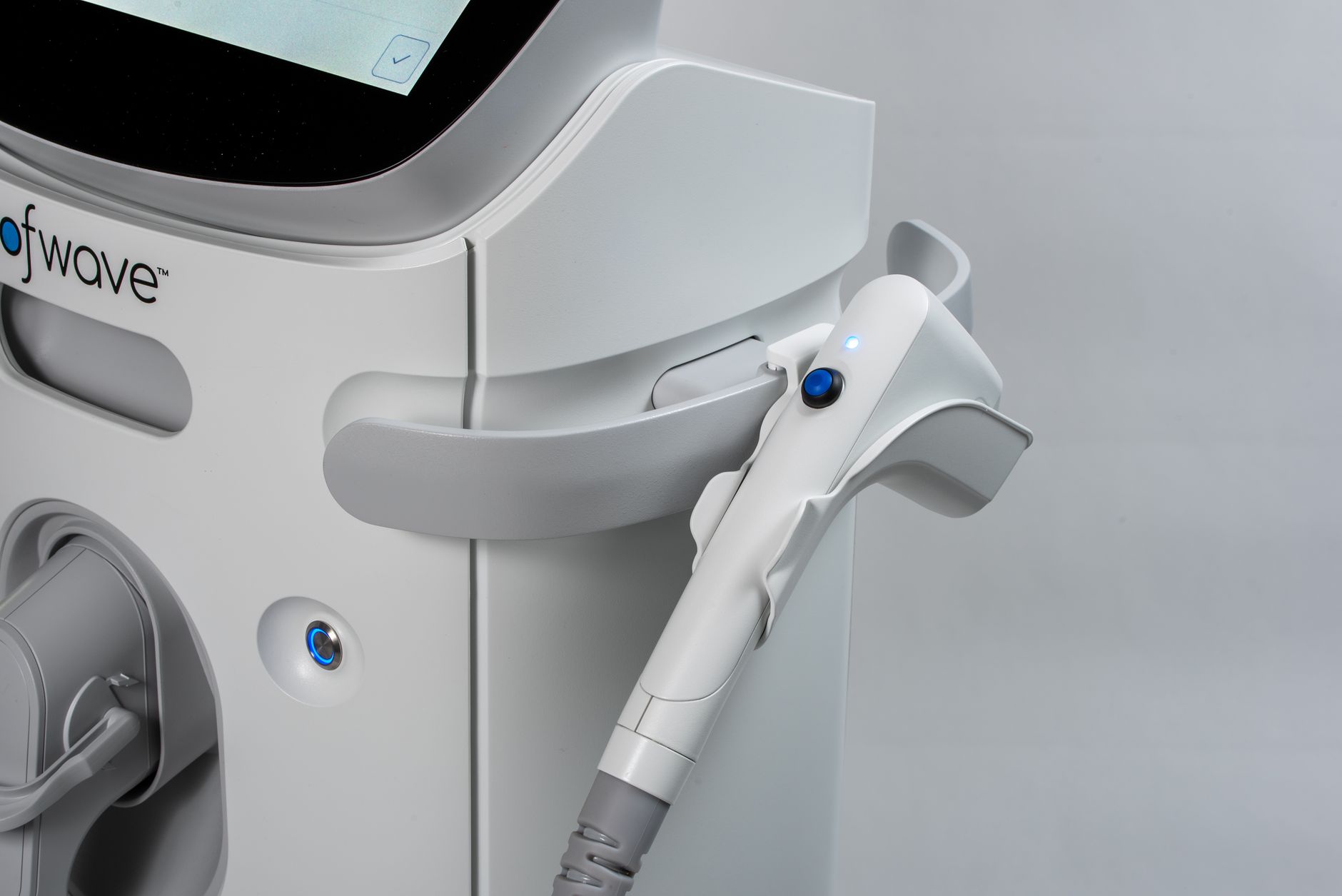
The 2026 dual-wavelength laser trial studied healthy adults with acne erythema — lingering redness from inflamed acne — mainly with medium skin tones. It did not include people with severe, nodulocystic or scarring persistent acne, pregnant or breastfeeding women, or several other higher-risk groups. If you are an adult with breakouts after age 25, that split matters. Erythema treatment targets visible redness and surface vessels, not severe inflammatory disease itself.
Medical information disclaimer: This article is for general educational purposes only and does not provide medical advice, diagnosis, or treatment. Always consult a physician or other qualified health professional about symptoms, medications, tests, or treatment decisions.
Table of Contents
- How do the two wavelengths work?
- Who was studied for redness?
- Who was not studied?
- Why do the limits matter for adults?
- What should persistent acne after 25 change?
How do the two wavelengths work?
The device pairs 589-nm light with 1319-nm light for different skin targets. The shorter wavelength aims at tiny surface vessels that create redness.
The longer wavelength is absorbed by water in the dermis to create heat. That heat can stimulate collagen and affect oil glands. Together, the pair addresses both color and oil-gland contributors in acne-prone skin.
Who was studied for redness?
Wiley's Journal of Cosmetic Dermatology reports a 2026 split-face test of the 589/1319-nm laser against soothing aloe-vera gel for acne erythema split-face trial results. Both sides improved, but laser-treated sides improved faster and earned higher satisfaction.
Participants were healthy males and females with acne erythema. Reported responders averaged Fitzpatrick type 3.25-3.38, pointing mainly to medium skin tones rather than very light or very dark skin.
Who was not studied?
People with severe active acne vulgaris were explicitly excluded. The trial therefore does not establish safety or effect for severe, nodulocystic or scarring persistent adult acne.
Other exclusions also narrow who can use the results. Check with a clinician whether any item below applies to you:.
- pregnant or breastfeeding
- vitamin-A derivative use within the past 3 months
- facial laser within the past 1 month
- photosensitivity or light sensitivity, impaired healing, active skin infection, or skin cancer
Why do the limits matter for adults?
Powering referenced a prior n=22 erythema study, so the sample was small. Responder averages near Fitzpatrick III-IV give little guidance for types I-II and V-VI.
Coverage of older adults was limited. Long-term relapse remains unclear, so short-term redness change does not equal lasting control.
What should persistent acne after 25 change?
A related split-face trial shows adjunctive use during active inflammatory acne. Springer Nature's Archives of Dermatological Research describes 18 patients with bilateral papules and pustules receiving four laser sessions every 2 weeks plus whole-face 2.5% benzoyl peroxide adjunctive laser trial. Adults should separate erythema lasers from 1726-nm AviClear and Accure systems for long-term mild-to-severe inflammatory acne.
Cutera announced FDA clearance of AviClear as a long-term treatment FDA clearance announcement, and Dermatology Times reported Accure's long-term clearance Accure clearance report. If lingering redness with mild-to-moderate breakouts is the main concern, bring the 2026 eligibility list to a dermatology visit. If severe or scarring acne is the main concern, ask about options studied for that severity instead.
You Might Also Like
- The 36-Patient Acne Laser Pilot Published in 2026: Who Was Studied and Who Was Not for Adults With Persistent Acne
- IPL vs PDL vs Nd:YAG for Inflammatory Acne in a 2026 Pilot: Who Was Studied and Who Was Not for Adults With Persistent Acne
- Concurrent Acne Procedures and Isotretinoin in 2026 Research: Who Was Studied and Who Was Not for Adults With Persistent Acne