
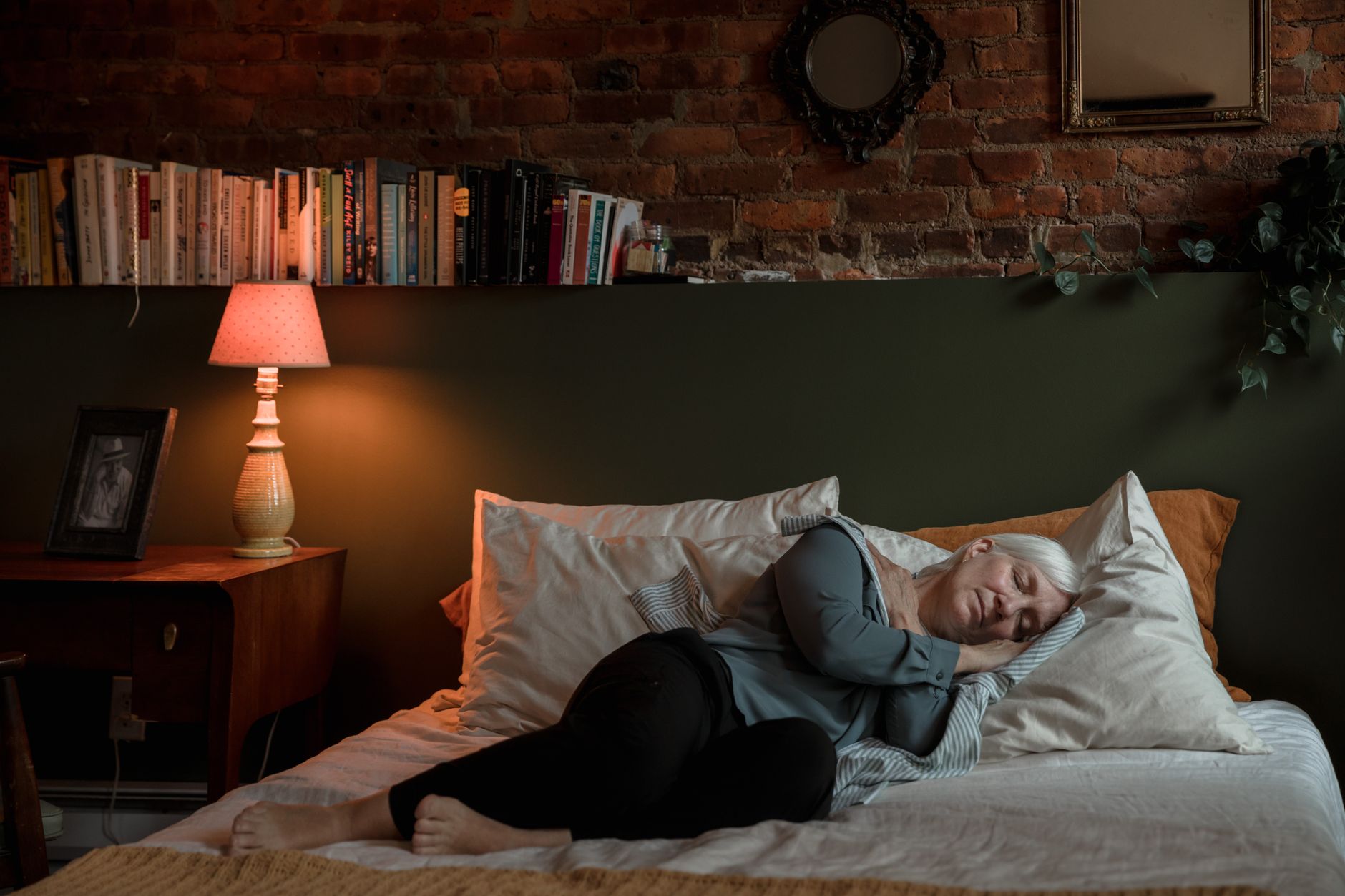
Yes, sleeping on your side can worsen jawline breakouts, but it rarely causes them alone. Pressure, friction, and residue on the pillow irritate skin that is already prone to acne. Acne mechanica means acne-like bumps caused by pressure, heat, and rubbing. Cleveland Clinic dermatologist Shilpi Khetarpal defines it as skin roughened by constant friction, according to her explanation of friction-related breakouts.
Medical information disclaimer: This article is for general educational purposes only and does not provide medical advice, diagnosis, or treatment. Always consult a physician or other qualified health professional about symptoms, medications, tests, or treatment decisions.
Table of Contents
- Why does one side break out more?
- Is it the pillow or hormones?
- What sleep habits reduce irritation?
- When will bedding changes not clear it?
Why does one side break out more?
Side sleeping presses one cheek and jawline into fabric for hours. First Derm reports that this contact transfers bacteria, oil, sweat, hair products, and saliva to acne-prone skin, according to its review of pillowcase-related breakouts.
Breakouts centered on the cheeks or sides of the face can point to the pillow. First Derm notes that breakouts on the predominant sleep side may signal pillowcase involvement, according to the same review of sleep-side patterns.
Is it the pillow or hormones?
Hormonal acne favors the lower third of the face, especially chin and jawline. Cleveland Clinic describes it as deep, painful cysts or papules rather than surface whiteheads, according to its guide to period-related acne.
Adult acne also clusters on the chin and jawline. Hormones from puberty, menstrual cycles, and menopause increase oil production and keep those areas vulnerable. Friction from sleep then aggravates active lesions instead of starting hormonal acne from scratch.
What sleep habits reduce irritation?
Change pillowcases at least weekly. Turner Dermatology advises two to three changes per week for oily or acne-prone skin to reduce pore blockage. Small changes lower nightly pressure and residue:.
- Sleep on your back when comfortable to reduce face-to-pillow contact
- Use a smooth high-thread-count, satin, or silk pillowcase to reduce friction
- Keep hair products, oils, and saliva off the sleep surface
- Wash the face before bed to limit oil and sweat transfer
When will bedding changes not clear it?
Persistent jawline acne is often hormonal. Cleveland Clinic explains that this pattern will not clear from bedding changes alone and may need topical, hormonal, or prescription treatment, according to its acne face-mapping guide.
Suspect a hormonal driver when breakouts are deep, painful, and cyclical. Track whether flares follow the menstrual cycle, resist gentle care, or return in the same chin and jawline zone despite clean bedding.