
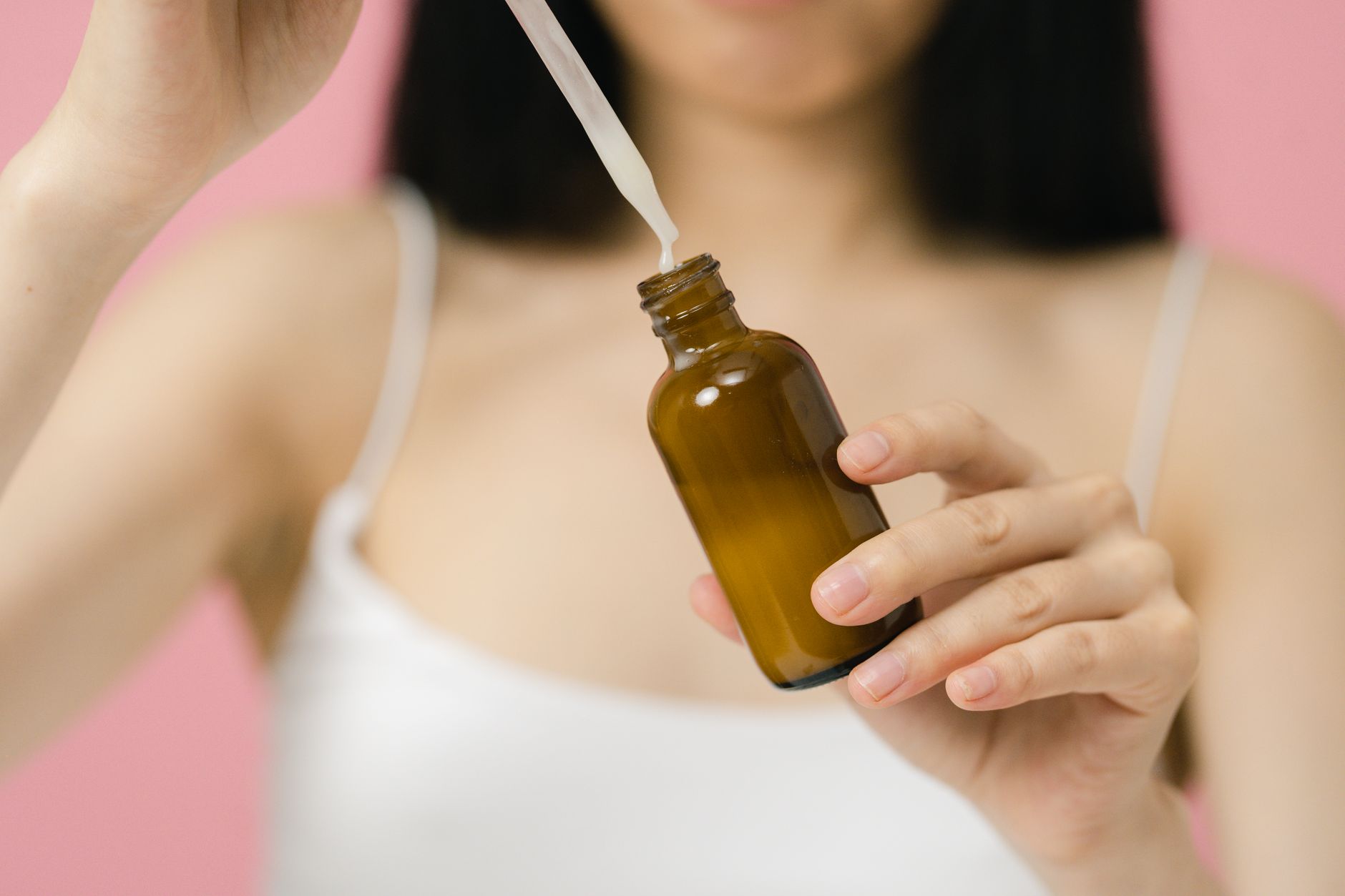
Yes, niacinamide helps reduce blemish redness. Niacinamide, a form of vitamin B3 used in serums and gels, calms inflammation and supports clearer, less red skin. It works on several blemish triggers at once. It eases inflammatory signals, helps control oil, and supports the skin barrier during acne treatment.
Medical information disclaimer: This article is for general educational purposes only and does not provide medical advice, diagnosis, or treatment. Always consult a physician or other qualified health professional about symptoms, medications, tests, or treatment decisions.
Table of Contents
- How does it calm redness?
- What do clinical trials show?
- Does it help oil and pores too?
- How should you use it for blemishes?
- What are the limits?
How does it calm redness?
Niacinamide reduces IL-8 production in keratinocytes, skin cells that drive local inflammation. According to the Typology science library, this action involves MAPK and NF-kB pathways, which lessens inflammation and visible redness Typology science library.
Less signaling means less swelling around a blemish. The spot can look flatter and less red while it heals.
What do clinical trials show?
A randomized trial in healthy adults found one month of niacinamide serum increased hydration and reduced erythema versus control, as reported in Life journal Life trial report. A 4-week assessment in Chinese women found niacinamide with retinol and ceramides reduced inflammatory and non-inflammatory lesions, redness a* values, and sebum-spot area.
For inflammatory acne, results compare well with a topical antibiotic. In a double-blind trial of 76 patients with moderate inflammatory acne, 4% nicotinamide gel twice daily for 8 weeks reduced lesions comparably to 1% clindamycin gel, as summarized in the Journal of Research in Medical Sciences trial summary.
Does it help oil and pores too?
Excess oil can make blemishes larger and more noticeable. Topical 2% niacinamide used for four weeks reduced sebum excretion and pore size in Japanese and Caucasian groups, according to a Practical Dermatology review Practical Dermatology review.
Smaller-looking pores and less surface oil help makeup sit more evenly. They also reduce the shiny rim that draws attention to red spots.
How should you use it for blemishes?
Niacinamide is well tolerated and helps skin retain moisture. That makes it useful alongside benzoyl peroxide, retinoids, salicylic acid, or exfoliants that can cause dryness and irritation-related redness. A simple routine keeps irritation low:.
- Cleanse gently, then apply a niacinamide serum to dry skin
- Follow with moisturizer, and sunscreen in the morning
- Use strong acne treatments as directed, on alternate nights if stinging occurs
What are the limits?
Many redness benefits come from small, short trials or formulas that also contain retinol, ceramides, postbiotics, or peptides. In those cases, the effect cannot be credited to niacinamide alone.
Expect gradual improvement over four to eight weeks rather than overnight fading. Stop a product and see a clinician if burning, spreading rash, or painful cysts develop.