
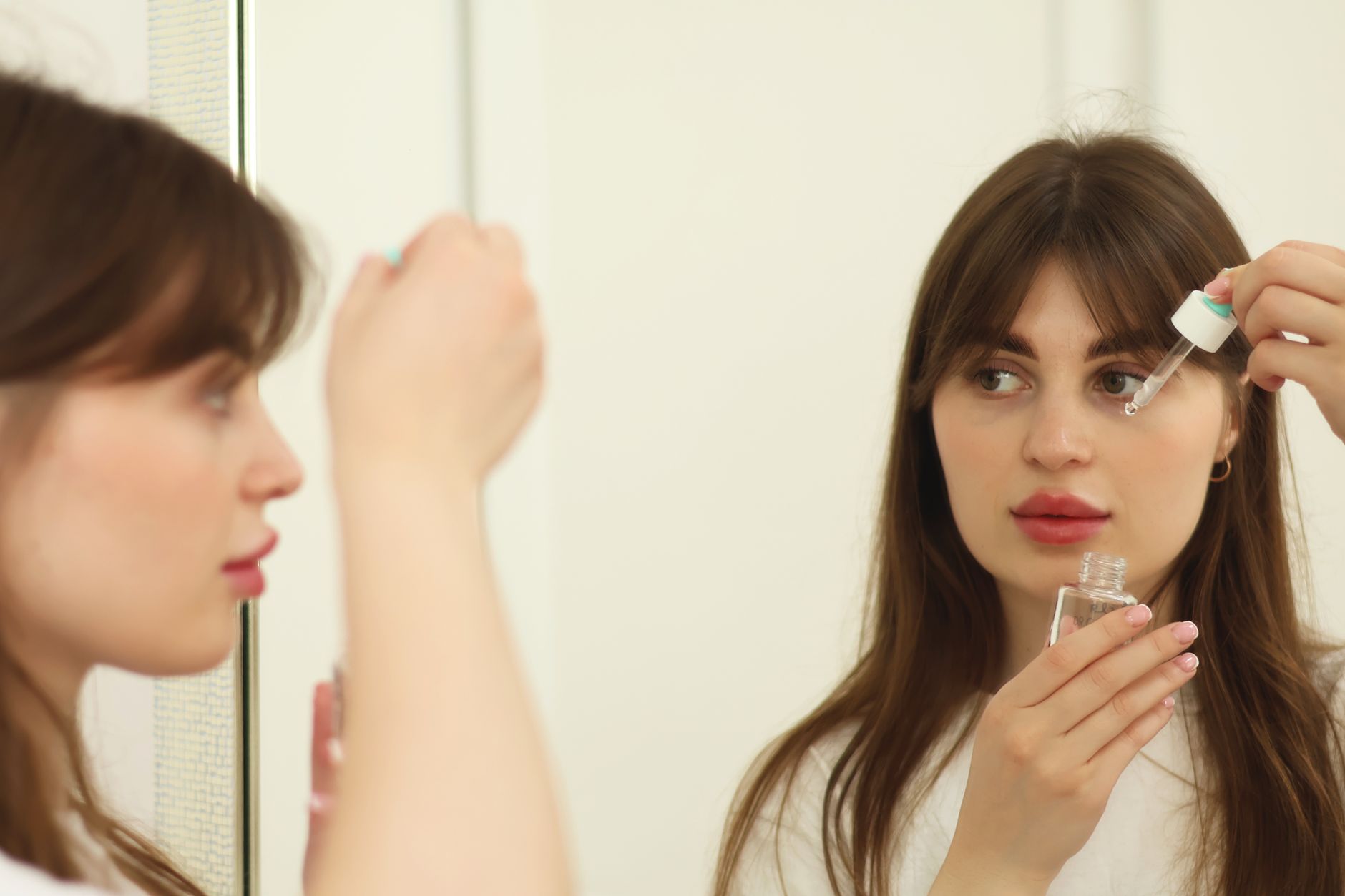
Yes, adapalene usually works better than benzoyl peroxide on whiteheads alone. Whiteheads are closed comedones, sealed pores plugged with oil and dead skin that stay beneath the skin and look white or skin-colored, according to Cleveland Clinic in its whitehead overview. Adapalene helps prevent those plugs from forming in the first place. Benzoyl peroxide mainly attacks bacteria, so it shines more on red, inflamed pimples than on pure whiteheads.
Medical information disclaimer: This article is for general educational purposes only and does not provide medical advice, diagnosis, or treatment. Always consult a physician or other qualified health professional about symptoms, medications, tests, or treatment decisions.
Table of Contents
- Why does adapalene fit whiteheads?
- Where does benzoyl peroxide help most?
- Is the combination stronger?
- How should you use them for whiteheads?
Why does adapalene fit whiteheads?
Adapalene changes how skin cells grow and shed inside the pore. The U.S. National Library of Medicine DailyMed label says it modulates keratinization and follicular-cell differentiation.
That action lowers microcomedone formation, the tiny precursor that can become a whitehead. The effect is more than theory. In two 12-week vehicle-controlled trials in ages 12-30, adapalene 0.1% cream cut non-inflammatory lesions by 34-35% versus 15-18% for vehicle, reported by Galderma and DailyMed in the Differin clinical studies section. Non-inflammatory lesions include whiteheads and blackheads.
Where does benzoyl peroxide help most?
Benzoyl peroxide releases oxygen free radicals that kill Cutibacterium acnes. It also has keratolytic and mild comedolytic activity. Its core strength is bacteria-driven, inflammatory acne rather than pure clog prevention.
StatPearls describes benzoyl peroxide as bactericidal against C. acnes on skin and within hair follicles in its benzoyl peroxide review. A face with mostly small, flesh-colored bumps may see less benefit. A face with whiteheads plus tender red pimples or pus-filled spots gives benzoyl peroxide more to do.
Is the combination stronger?
For many people, yes. Multiple randomized phase 3 trials found fixed-dose adapalene 0.1%/benzoyl peroxide 2.5% beat either ingredient alone and vehicle on inflammatory, noninflammatory, and total lesions, with early improvement by week 1, according to Patient Care Online reporting Galderma and FDA evidence in its report on the combination gel.
The pairing makes biological sense because the drugs work differently. The 2024 American Academy of Dermatology acne guidelines strongly recommend both benzoyl peroxide and topical retinoids. The guidelines also support combining agents with different mechanisms.
How should you use them for whiteheads?
Expect early irritation with adapalene. Galderma and DailyMed precautions say redness, dryness, scaling, or burning is most likely in the first 2-4 weeks and usually lessens.
Judge whitehead improvement after about 12 weeks of once-daily use. Keep the routine simple and steady:.
- Apply a thin layer of adapalene once daily as directed, usually at night.
- Start benzoyl peroxide slowly if your skin is sensitive or dry.
- Use moisturizer and daily sunscreen, and avoid picking or squeezing whiteheads.
- If whiteheads remain after about 12 weeks of consistent use, ask a dermatologist about a fixed-dose combination or a new plan.