
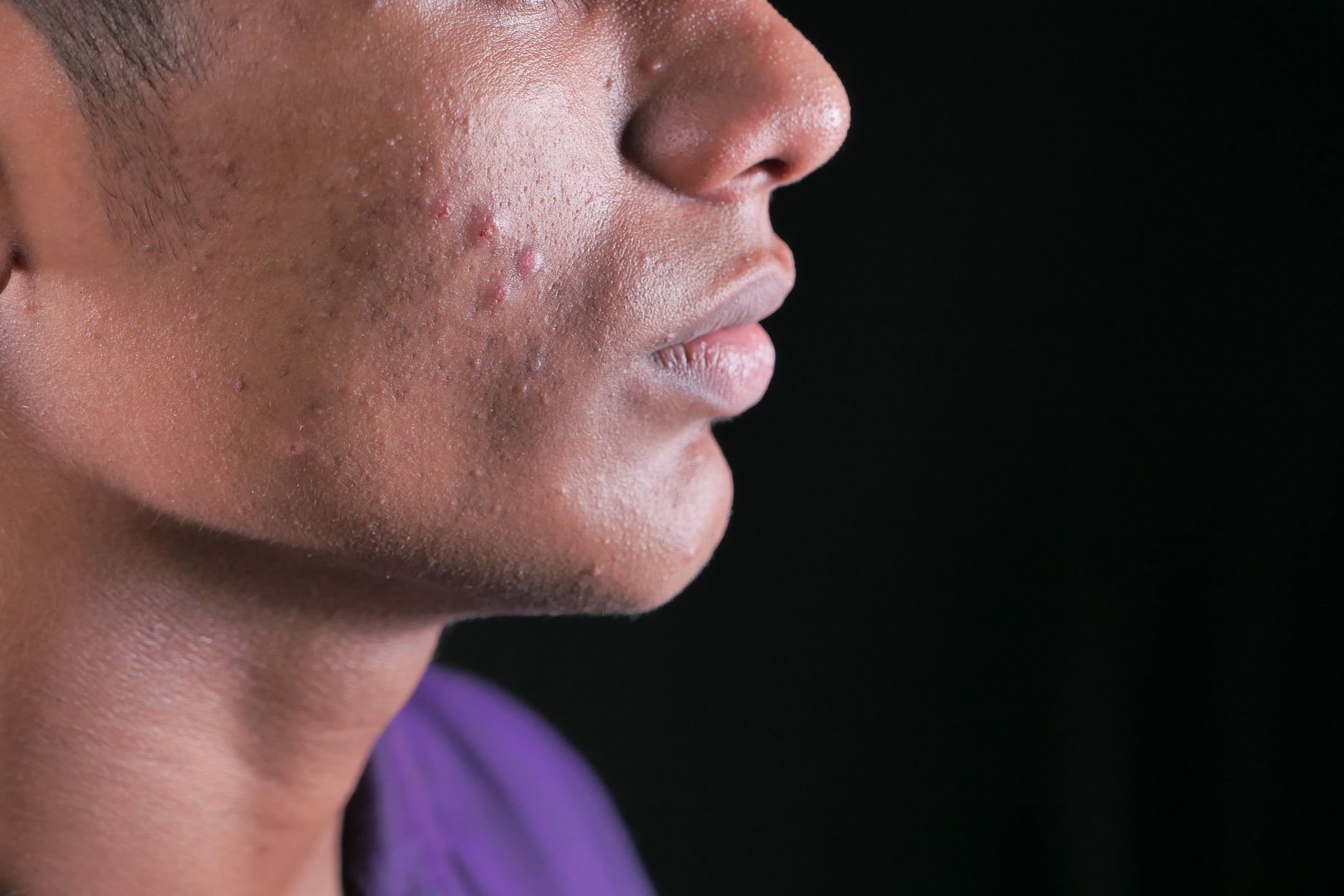
Current reviews find no single diet proven to clear acne, so dermatology guidelines make no specific dietary prescription. The controversy centers on glycemic load, dairy and chocolate, where biology looks convincing but human trials conflict. Glycemic load means how much and how fast a food raises blood sugar. Low-glycemic-load eating emphasizes steadier blood sugar, while high-glycemic-load eating causes larger spikes.
Medical information disclaimer: This article is for general educational purposes only and does not provide medical advice, diagnosis, or treatment. Always consult a physician or other qualified health professional about symptoms, medications, tests, or treatment decisions.
Table of Contents
- What do dermatology guidelines say?
- Why is glycemic load so controversial?
- What about dairy, sugar and fat?
- Does chocolate cause acne?
- What can you practically do?
- Frequently Asked Questions
What do dermatology guidelines say?
The American Academy of Dermatology 2024 guidelines make no specific dietary recommendation for acne. According to Medscape reporting on the AAD evidence review, trials of low-glycemic-load, low-dairy, whey, omega-3 and chocolate diets were conflicting or insufficient Medscape report on the AAD evidence review.
Earlier guidance took the same position. It also advised no specific diet change, while noting emerging data for high-glycemic-index diets and limited evidence that some dairy, especially skim milk, may influence acne, as reported by Dermatology Times on the JAAD guidelines Dermatology Times summary of the JAAD guidelines.
Why is glycemic load so controversial?
Three small randomized trials linked low-glycemic-load diets to less acne. A fourth trial with almost twice as many patients found no improved control, creating the central dispute.
The biological case is stronger than the clinical case. High-glycemic-load foods raise insulin and insulin-like growth factor-1, an inflammatory mediator, while high-fat diets are linked to sebaceous-gland proliferation and inflammatory cytokines.
What about dairy, sugar and fat?
Observational data connect several food groups with adult breakouts. Among 24,452 French NutriNet-Santé adults, mean age 57 and 75% women, consumption of fatty-sugary products, sugary beverages and milk was associated with having current adult acne, according to a Harvard Health summary of the JAMA Dermatology study Harvard Health summary of the adult-acne diet study.
That pattern fits concerns about skim milk, sugary beverages and fatty-sugary products. It does not prove that any one food causes acne alone.
Does chocolate cause acne?
There is no conclusive evidence from large randomized trials linking chocolate to acne. One small study found 100% cocoa could worsen symptoms, according to Northwestern University.
For most readers, chocolate remains unproven rather than cleared. A personal flare after heavy intake may matter, but it is not the same as a general rule.
What can you practically do?
Treat diet as a possible aggravator in susceptible teens and adults, not a sole cause. Standard treatment, sleep, gentle cleansing and not picking remain the foundation. Use a short personal test rather than a strict permanent ban: The key limit is reliance on observational, self-reported diet and acne data without large reproducible controlled trials.
- Track breakouts, menstrual cycle, stress and sleep for two to four weeks
- Note fatty-sugary products, sugary beverages, milk and skim milk, whey drinks and high-cocoa chocolate
- Change one category at a time and watch for change
- Bring the log to a dermatologist before cutting major food groups
Frequently Asked Questions
Will cutting dairy clear my acne?
Guidelines do not prescribe dairy avoidance because evidence is limited, although some data link some dairy, especially skim milk, with acne.
Should I try a low-glycemic-load diet?
Three small trials favored it, but a larger trial did not, so consider it a personal experiment with medical guidance rather than a proven prescription.
You Might Also Like
- Why the 2026 Acne Diet Review Warns Against Restrictive Regimens: What the Review Supports and Does Not Prove for Teens With Acne
- Mediterranean and Vegan Diet Claims in the 2026 Acne Review: What the Review Supports and Does Not Prove for Teens With Acne
- Milk, Dairy, and Acne Evidence Revisited in 2026: What the Review Supports and Does Not Prove for Teens With Acne