
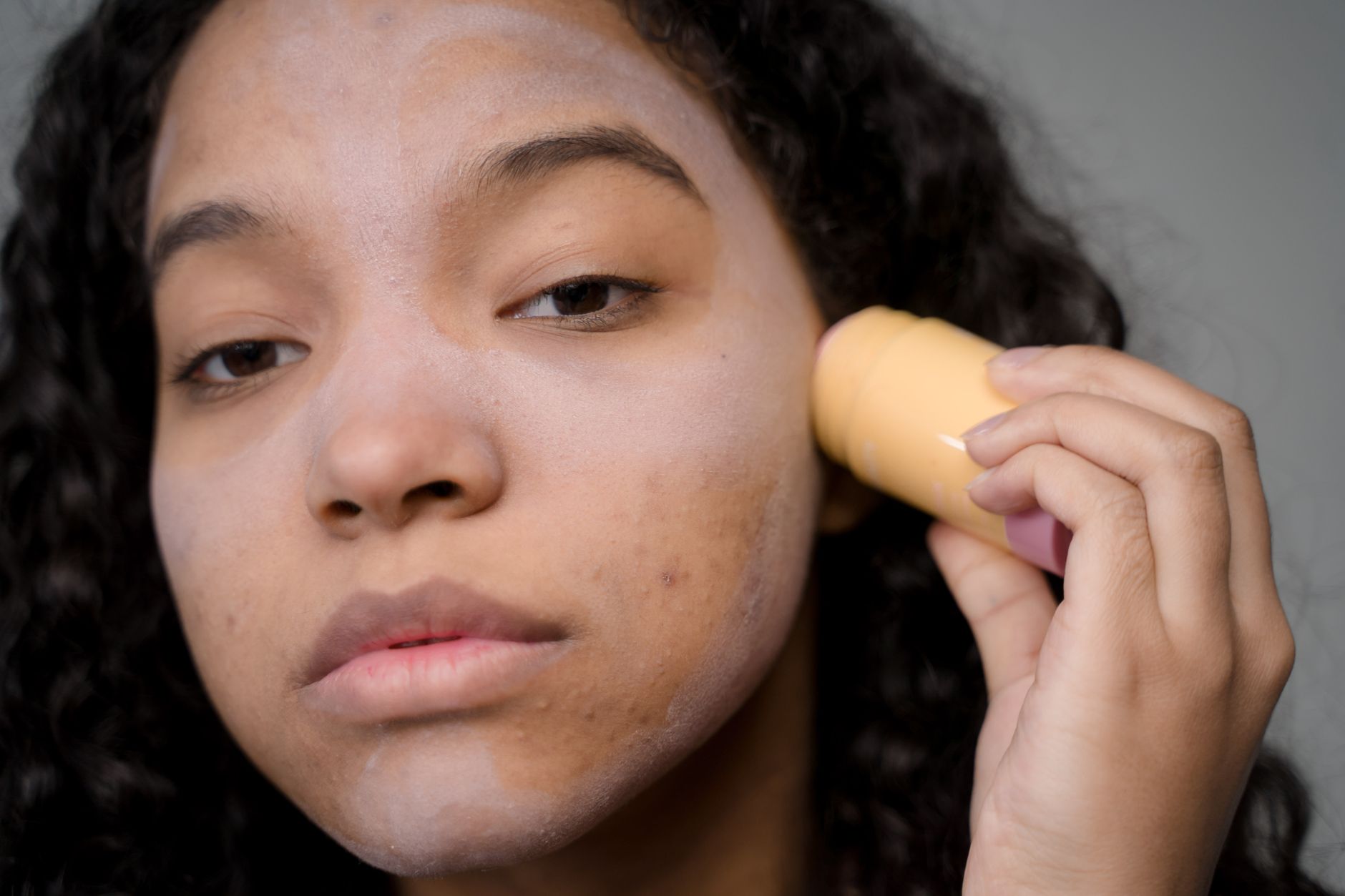
Current evidence supports COSRX acne patches as protectors for draining pimples, not as cures for acne itself. Current evidence supports its low-strength salicylic acid as mild exfoliation, not as a primary acne treatment.
A hydrocolloid patch is a moist wound dressing. It covers a breakout, absorbs fluid, and blocks picking. That simple function explains most of the benefit readers will see.
Medical information disclaimer: This article is for general educational purposes only and does not provide medical advice, diagnosis, or treatment. Always consult a physician or other qualified health professional about symptoms, medications, tests, or treatment decisions.
Table of Contents
- What the patches actually do
- Which breakouts respond best?
- Where does the salicylic acid cleanser fit?
- What guidelines recommend for active acne?
What the patches actually do
COSRX's official store describes its Acne Pimple Master Patch as a hydrocolloid dressing that absorbs discharge and maintains a moist barrier to protect breakouts, as detailed on the COSRX product page. It is not sold as a drug that clears infection. Readers should judge it by that standard.
Picking prevention likely explains part of the benefit. A small short trial in mild-to-moderate acne found both hydrocolloid patches and surgical tape reduced severity after one week. Patches reduced severity more than tape in that comparison.
Which breakouts respond best?
Open, draining inflammatory lesions respond fastest. A 14-day randomized trial found hydrocolloid patches significantly improved manually extracted and draining lesions as early as day 1 and day 4, according to the Dermatology Times trial summary.
The same trial found smaller, slower effects on closed papules. That pattern gives a practical rule:.
- Use a patch on a whitehead that has opened or oozes.
- Do not expect a deep, closed bump to flatten overnight.
- Leave the patch on until it turns white or lifts.
- Replace rather than reusing the same patch.
Where does the salicylic acid cleanser fit?
Salicylic acid loosens dead skin inside pores and reduces plugging. Strength and contact time control how much it can do. A rinse-off cleanser has brief skin contact. The FDA's OTC acne Monograph M006 permits only specified actives, including salicylic acid 0.5%-2%, benzoyl peroxide 2.5%-10%, and sulfur 3%-10%, as listed in the FDA monograph document.
That framework places COSRX's 0.5% salicylic-acid cleanser at the low end for cosmetic-strength exfoliation. It can support a routine, but it is not equivalent to a leave-on treatment. A randomized split-face trial in mild-to-moderate acne found 2% supramolecular salicylic acid had similar efficacy to 5% benzoyl peroxide plus 0.1% adapalene. That result supports salicylic acid as an option. It does not prove COSRX's specific formula works the same way.
What guidelines recommend for active acne?
The American Academy of Dermatology's 2024 acne guideline strongly recommends benzoyl peroxide, topical retinoids, topical antibiotics and combination products, and oral doxycycline, while only conditionally recommending salicylic acid, according to the AAFP guideline summary. Readers with frequent, painful, scarring, or persistent acne need those treatments more than patches or a gentle cleanser. Use COSRX products as add-ons. Cover a draining spot with a patch during the day or overnight.
Use the low-strength cleanser for maintenance if skin tolerates it. Seek prescription care when breakouts spread, leave marks, or do not improve after 8-12 weeks of consistent over-the-counter care. FDA testing of 95 benzoyl-peroxide acne products found over 90% had undetectable or very low benzene, with six products voluntarily recalled in March 2025. FDA said cancer risk from the recalled products was very low.