
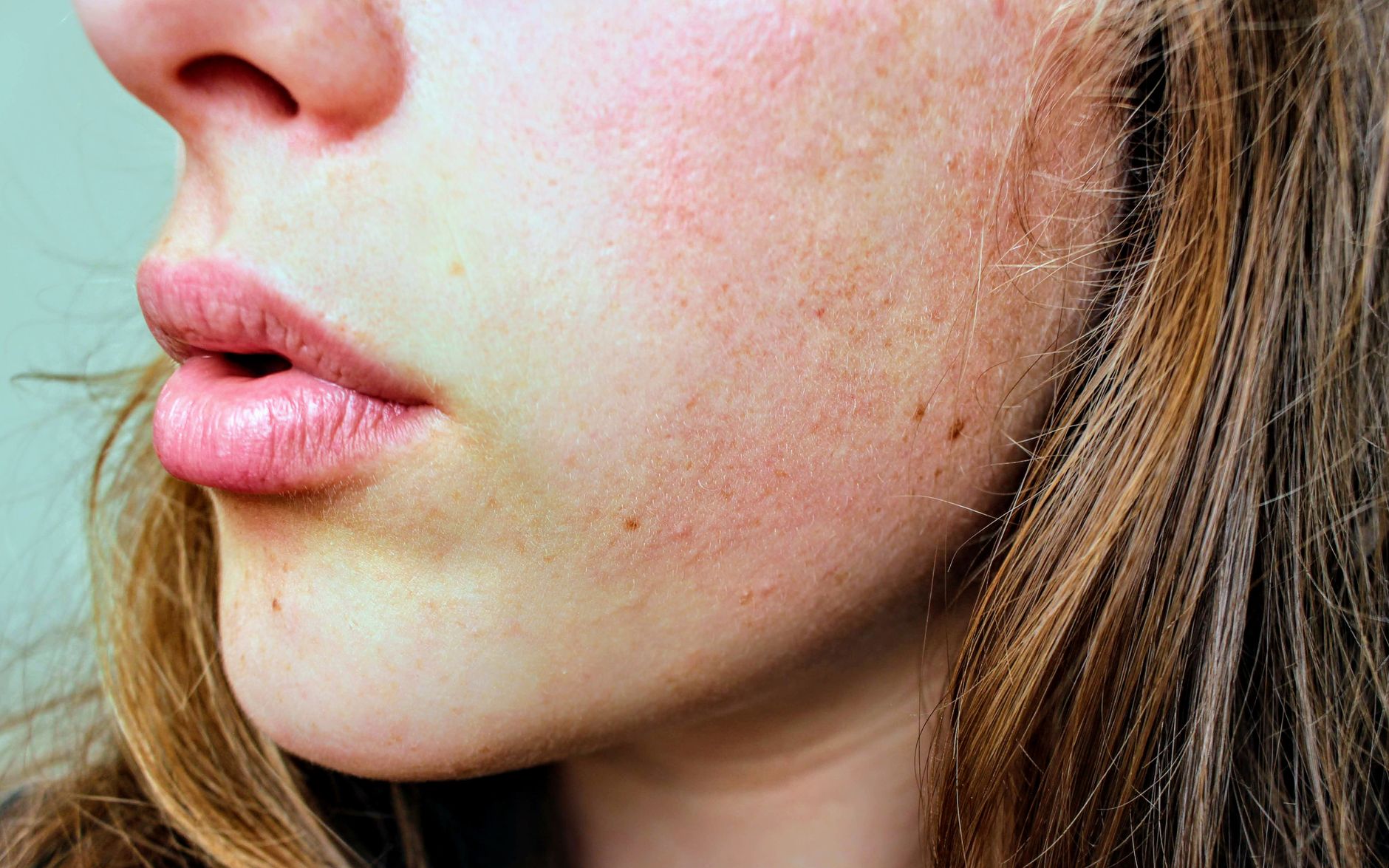
Cheek acne means breakouts on the cheeks where hair follicles clog with oil and dead skin. Early care offers less embarrassment and less permanent scarring, strong products carry irritation risks, and a clinician can match treatment to severity and tolerance. The National Institute of Arthritis and Musculoskeletal and Skin Diseases links acne to clogged follicles, bacteria growth, androgens, family history, and hormonal changes NIAMS acne overview. Cleveland Clinic notes cheek flares also follow contact with bacteria on phones, makeup brushes, pillowcases, and masks.
Medical information disclaimer: This article is for general educational purposes only and does not provide medical advice, diagnosis, or treatment. Always consult a physician or other qualified health professional about symptoms, medications, tests, or treatment decisions.
Table of Contents
- What triggers cheek breakouts?
- Which treatments help and why start early?
- What risks need daily care?
- What should you ask a clinician?
What triggers cheek breakouts?
Oil plus dead skin blocks a follicle, bacteria grow inside, and inflammation forms a pimple. Androgens, family history, and hormonal shifts raise the chance of face breakouts including the cheeks. Location alone does not fix the cause for one person. Daily contact matters on the cheeks.
Phones press bacteria and oil against skin during long calls. Dirty makeup brushes, unwashed pillowcases, masks, helmets, collars, and straps add friction and trapped sweat. Touching spreads the problem. Squeezing, picking, or resting hands on cheeks raises infection and permanent scar risk, according to Mayo Clinic guidance. Protecting skin from phones, helmets, collars, and backpack straps lowers friction flares.
Which treatments help and why start early?
Early treatment reduces embarrassment and helps prevent lasting scars. Clinicians often start with over-the-counter products, then add prescription topicals or oral drugs by severity, according to NIAMS. Waiting until spots are deep or widespread makes control harder. The 2024 American Academy of Dermatology guidelines strongly recommend topical benzoyl peroxide, topical retinoids, and fixed-dose combinations as foundational therapy Medscape summary of the AAD guideline.
These products target clogged pores, bacteria, and inflammation. A clinician chooses strength and pairing based on sore nodules, spread, prior response, and scarring. Severe nodular acne that ignores antibiotics has another option. FDA iPLEDGE materials describe isotretinoin for that group, with pregnancy prevention, monthly checks, and registered pharmacies. That path suits a small group and needs close supervision.
What risks need daily care?
Cheek skin dries and irritates easily. Cleveland Clinic and Mayo Clinic warn that retinoids, benzoyl peroxide, salicylic acid, and azelaic acid can cause redness, peeling, dryness, and sun sensitivity. Use moisturizer and sunscreen as directed and report burning or swelling. Isotretinoin carries wider risks.
It can cause birth defects, dry skin, lips, and eyes, and mood changes. FDA iPLEDGE rules require pregnancy prevention steps, monthly checks, and registered pharmacies to lower fetal risk. Simple habits lower harm while treatment works. Wash pillowcases often, clean brushes, wipe phones, and avoid tight masks or straps when possible Mayo Clinic acne care guidance. Do not pick or squeeze cheek pimples.
What should you ask a clinician?
Cheek location alone does not diagnose cause. A JAMA Dermatology study on scarring and psychosocial effects plus MedlinePlus guidance point to a fuller history: timing, severity, prior products, menstrual or diet triggers, scarring, pregnancy plans, side-effect tolerance, and mood effects.
Bring those details to the visit. Ask direct fit questions so the plan matches your life: Bring a one-page note with start date, past products, triggers, scarring, pregnancy plans, and side effects you want to avoid.
- How long have breakouts lasted, how severe are they, and is scarring starting?
- What products have you tried, what helped, and what irritated skin?
- Do flares follow periods, specific foods, masks, phones, or sleep habits?
- Could you become pregnant, what side effects are unacceptable, and has mood changed with acne or past drugs?