
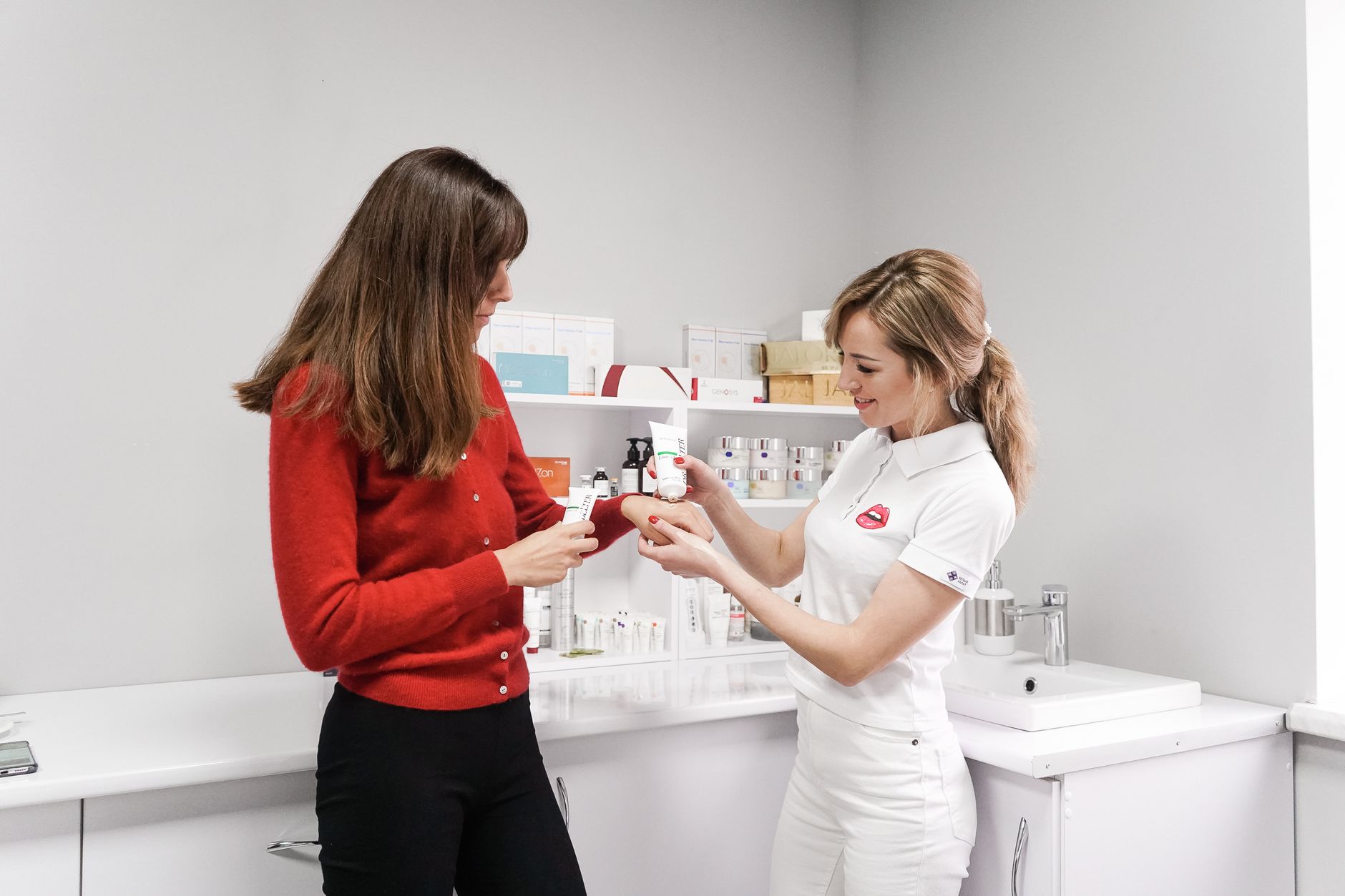
Dermatologists handle acne diagnosis and prescriptions. Celebrity facialists do not prescribe medication or diagnose skin disease. A dermatologist is a licensed physician who specializes in skin, hair, and nails. A facialist is typically an esthetician, a non-medical skincare professional focused on cosmetic care.
Medical information disclaimer: This article is for general educational purposes only and does not provide medical advice, diagnosis, or treatment. Always consult a physician or other qualified health professional about symptoms, medications, tests, or treatment decisions.
Table of Contents
- What does an acne diagnosis cover?
- Which acne treatments need a prescription?
- What can a facialist do, and where is the limit?
- Why is isotretinoin doctor-only?
- How should you divide your care?
What does an acne diagnosis cover?
The American Academy of Dermatology describes dermatologists as licensed physicians who diagnose acne type and severity and create prescription treatment plans, according to its Acne Resource Center. That medical diagnosis matters for persistent, painful, cystic, or scarring acne.
Acne type changes treatment. Severity, location, scarring risk, and response to prior care shape the plan. Only a physician can make that medical call and order prescription therapy.
Which acne treatments need a prescription?
Prescription-centered care remains the core of medical acne treatment. The American Academy of Dermatology's updated acne guidelines strongly recommend topical benzoyl peroxide, topical retinoids such as tretinoin and tazarotene, topical and oral antibiotics such as doxycycline, and oral isotretinoin for severe disease, as reported by the Academy via Newswise.
Those drugs act on clogged pores, bacteria, inflammation, and oil production. Because they carry benefits and risks, dose, duration, and combinations require medical supervision. A facial cannot substitute for that prescribing decision.
What can a facialist do, and where is the limit?
Facialists provide supportive cosmetic care, not medical treatment. That support may include skin analysis, superficial care, and help with an acne-friendly skincare routine. Medically reviewed reporting from Verywell Health states that estheticians and facialists may not diagnose skin diseases, prescribe medication, or treat skin disorders, as explained in its review of esthetician limits.
The same source says they must refer undiagnosed or severe-acne clients to a physician. California law draws the same line. Its Barbering and Cosmetology Act limits licensed cosmetologists and estheticians to cosmetic scope and gives them no authority to practice medicine. Working inside a medical office or medspa does not expand that scope.
Why is isotretinoin doctor-only?
Oral isotretinoin is reserved for severe recalcitrant nodular acne after conventional therapy including systemic antibiotics has been tried. The FDA prescriber guide requires counseling about risks and precautions before treatment.
Dispensing adds another control. Oral isotretinoin moves through the FDA's iPLEDGE Risk Evaluation and Mitigation Strategy, with prescriber, pharmacy, and patient requirements. Cosmetic facial services cannot provide it.
How should you divide your care?
See a board-certified dermatologist for moderate-to-severe, hormonal, nodular, or scarring acne. Use a facialist only for supportive cosmetic care recommended by Skin Inc.
reporting on physician-esthetician partnership, described in its partnership guidance. Do not let a facial delay medical care when acne is painful, deep, or leaving marks. Book the dermatologist visit, then keep facial care supportive.
- See a dermatologist first for painful cysts, nodules, spreading breakouts, dark marks, pits, or scarring.
- Ask the dermatologist what facial steps are safe alongside prescriptions.
- Use the facialist for gentle cleansing, surface hydration, sunscreen use, and routine coaching.
- Return to the doctor if acne worsens, scars, resists treatment, or causes distress.