
What Happens When You Treat Redness Like Acne

Treating redness as if it’s acne is one of the most common skincare mistakes, and it frequently makes the underlying condition worse.
Treating redness as if it’s acne is one of the most common skincare mistakes, and it frequently makes the underlying condition worse.

When you start a strong acne treatment like tretinoin or benzoyl peroxide, your skin often gets worse before it gets better—and there’s a scientific…

When your skin becomes resistant to acne treatments, it means the bacteria causing breakouts—particularly *Cutibacterium acnes*—has adapted to survive the…

Overusing acne treatments damages your skin barrier by stripping away its protective lipid layer, increasing water loss, and compromising the microbiome…
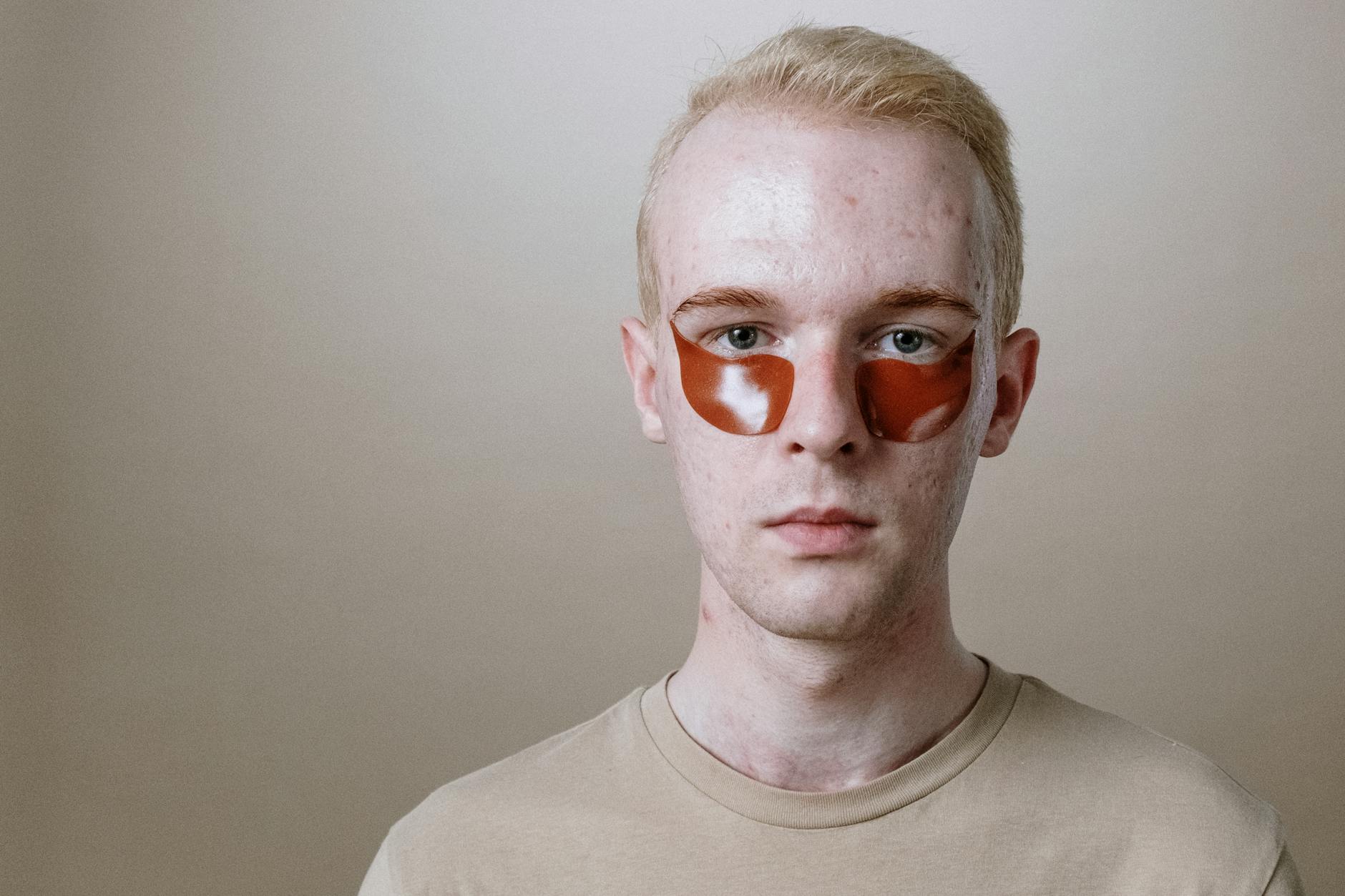
Dark spots left behind after acne heals—called post-inflammatory hyperpigmentation (PIH)—form when the skin produces excess melanin in response to…

Laser treatments are more effective than topical products for reducing red acne marks, particularly when those marks involve textural changes or deeper…

Post-inflammatory erythema (PIE)—those red marks left behind after acne heals—typically fades on its own within 3 to 6 months as inflammation subsides…

Several promising experimental acne treatments are currently moving through research pipelines, targeting the condition from angles that existing…
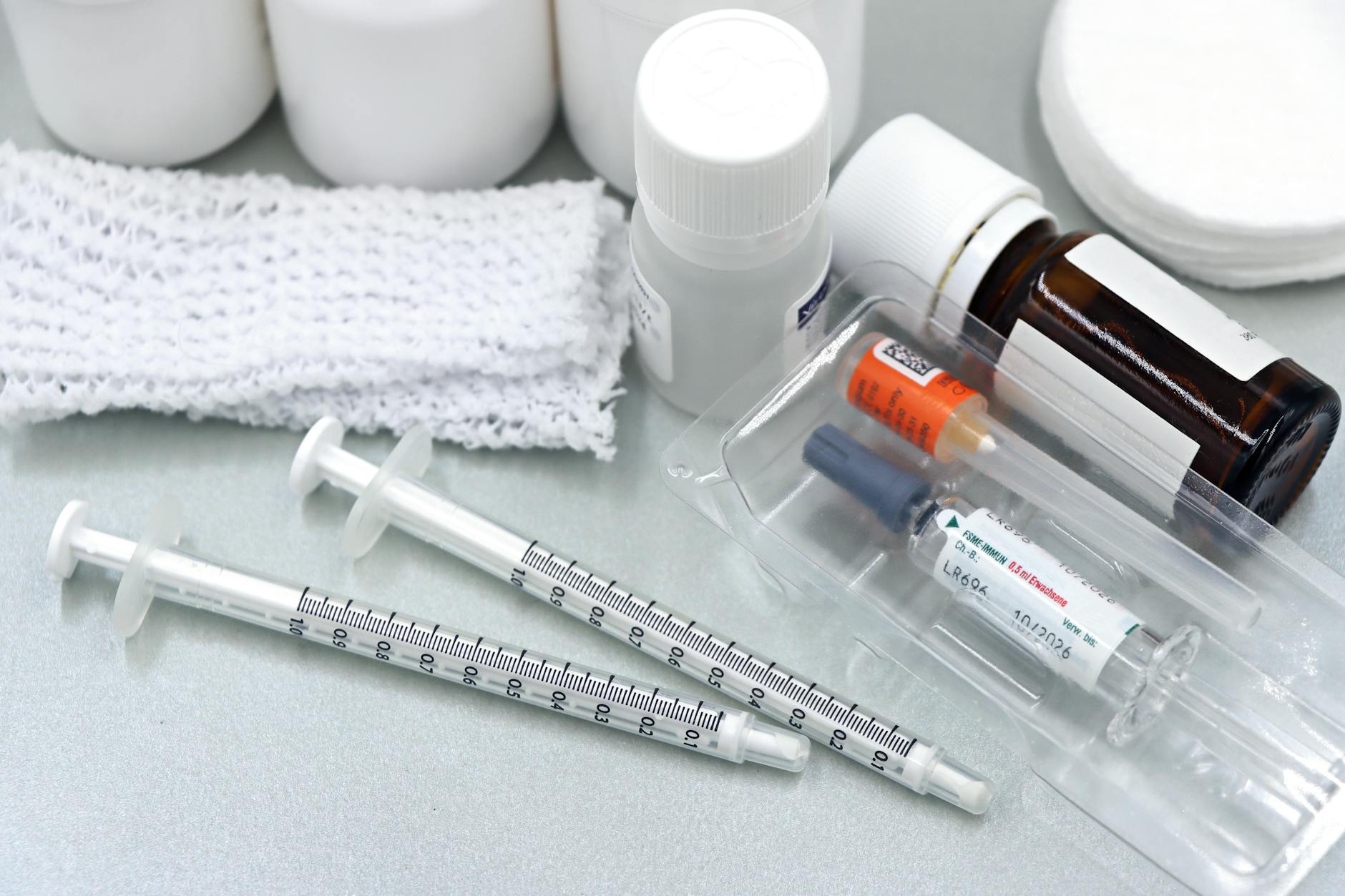
Clindamycin resistance means that the bacteria your treatment targets have developed the ability to survive the drug, rendering your prescription…

PCOS acne is hormonally driven acne caused by elevated androgens — male hormones like testosterone and DHEA-S — that are overproduced in polycystic ovary…