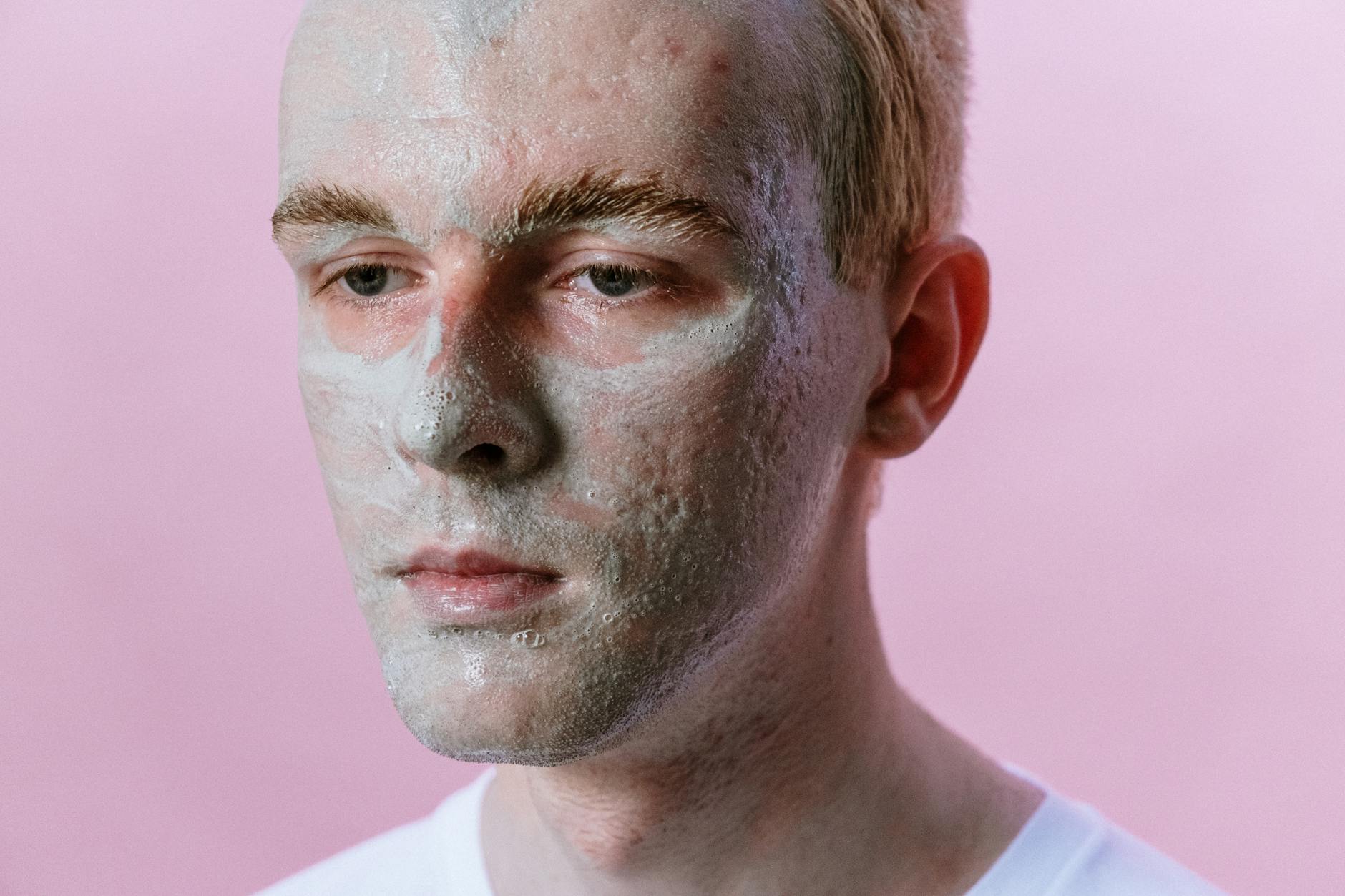
At Least 53% of Adults With Acne Report That Stress Is Their Number One Breakout Trigger

Stress and acne are deeply intertwined, though the exact percentage of adults who identify stress as their primary breakout trigger varies across research…


A claim circulating in wellness circles suggests that patients who journaled about stress experienced 22% fewer acne flares.
Research consistently demonstrates that the majority of acne patients experience flares during periods of psychological stress.
No, stress cannot directly cause acne. If you’ve never had acne before and suddenly develop it purely from stress, something else is driving the…
Yes, stress does increase sebum production through cortisol, a hormone that binds to receptors in sebaceous glands and signals them to produce more oil.
Acne ranks among the most stressful aspects of adolescence, with research showing that teenagers are deeply affected by this common skin condition.
Yes, acne can come back in your 40s, and yes, there’s a scientific reason why. When a man in his mid-forties suddenly finds himself dealing with breakouts…
Methylene blue reduces oxidative stress in acne-prone skin by neutralizing free radicals more effectively than conventional antioxidants like vitamin C…
A 24-hour urine cortisol test measures the total amount of cortisol your body produces over an entire day, and it directly reveals whether elevated stress…
Idebenone is a synthetic version of coenzyme Q10 that neutralizes free radicals and reduces oxidative stress in the skin, making it particularly effective…