
What Happens When You Ignore Early Signs of Skin Damage

Ignoring early signs of skin damage can have life-altering consequences, particularly when it comes to melanoma and other skin cancers.
Ignoring early signs of skin damage can have life-altering consequences, particularly when it comes to melanoma and other skin cancers.

When you use heavy creams on oily, acne-prone skin, you’re essentially trapping oil, bacteria, and dead skin cells inside your pores, which leads to…
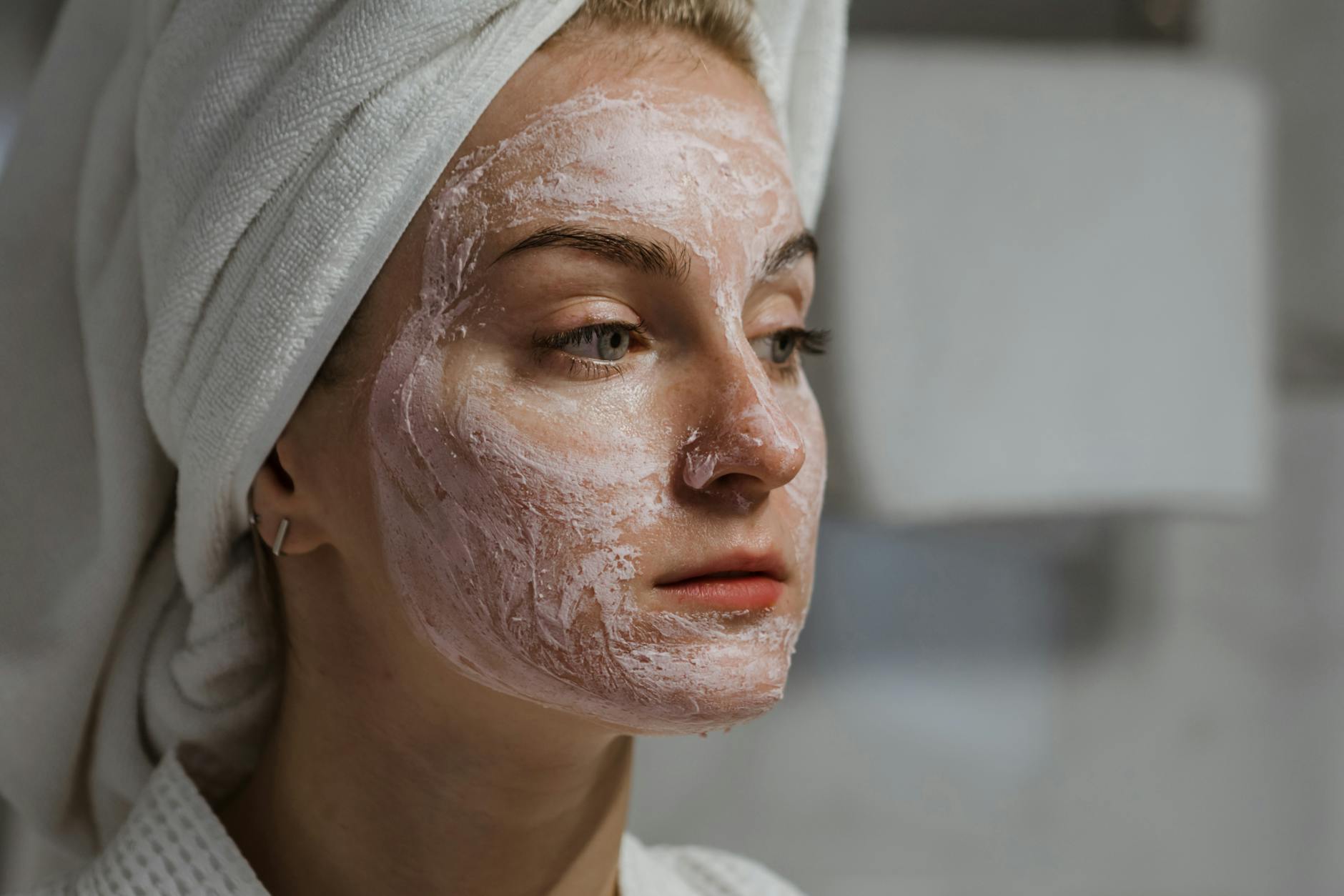
Oily skin doesn’t mean hydrated skin—and this confusion is why so many people with oily complexions end up in a cycle of breakouts and frustration.

Hydration is one of the most effective and underutilized tools in addressing both skin recovery and redness reduction.

The paradox of acne-prone skin is that many people make their breakouts worse by trying to fix them.

Some skincare products worsen redness because they contain irritating ingredients that trigger inflammation, disrupt your skin barrier, or interact poorly…

Sensitive skin is prone to persistent redness because it has a compromised skin barrier and heightened reactivity to irritants.

The quality of water you use to cleanse your skin significantly impacts acne severity and overall skin health.

Foaming cleansers work by using surfactants—molecules that break down oils and impurities—but in doing so, they often strip away too much of your skin’s…

The secret to cleansing your skin without disrupting its natural barrier lies in three core principles: using a cleanser with a pH of 5.