
Why Stripping Your Skin Can Lead to More Oil and Breakouts
Stripping your skin leads to more oil and breakouts because it triggers a compensation response called “rebound oil production.
The Biggest Skincare Mistakes People With Oily Acne Prone Skin Make
The biggest skincare mistakes people with oily, acne-prone skin make center on one paradox: they treat their skin more aggressively in hopes of fixing it,…
Best Skincare Routine for Acne Prone Oily Skin That Actually Controls Breakouts

The best skincare routine for acne-prone oily skin focuses on two core strategies: controlling excess oil production while eliminating acne-causing…
What Vanicream Does for Sensitive Acne Skin
Vanicream works for sensitive acne skin by delivering effective cleansing and moisturizing without the fragrances, dyes, parabens, and botanical extracts…
Why CeraVe Works for Acne-Prone Skin

CeraVe works for acne-prone skin because its formulations are built around three essential ceramides and hyaluronic acid, delivered through a patented MVE…
What Benzoyl Peroxide Does to Dark Skin Tones
Benzoyl peroxide works the same way on dark skin as it does on lighter complexions — it kills acne-causing bacteria and clears clogged pores — but the…
What 3D Skin Imaging Shows That Regular Photos Cannot

Three-dimensional skin imaging reveals the subsurface architecture of skin that flat photography simply cannot capture — including the depth of acne…
Why the Skin Microbiome Is the New Frontier in Acne Research

The skin microbiome has become the new frontier in acne research because scientists now understand that acne is not caused by a single “bad” bacterium,…
What Dermaplaning Does to Acne-Prone Skin — Risk Assessment
Dermaplaning on active, inflamed acne is a bad idea — and most dermatologists will tell you not to do it.
What HydraFacial Does for Acne-Prone Skin

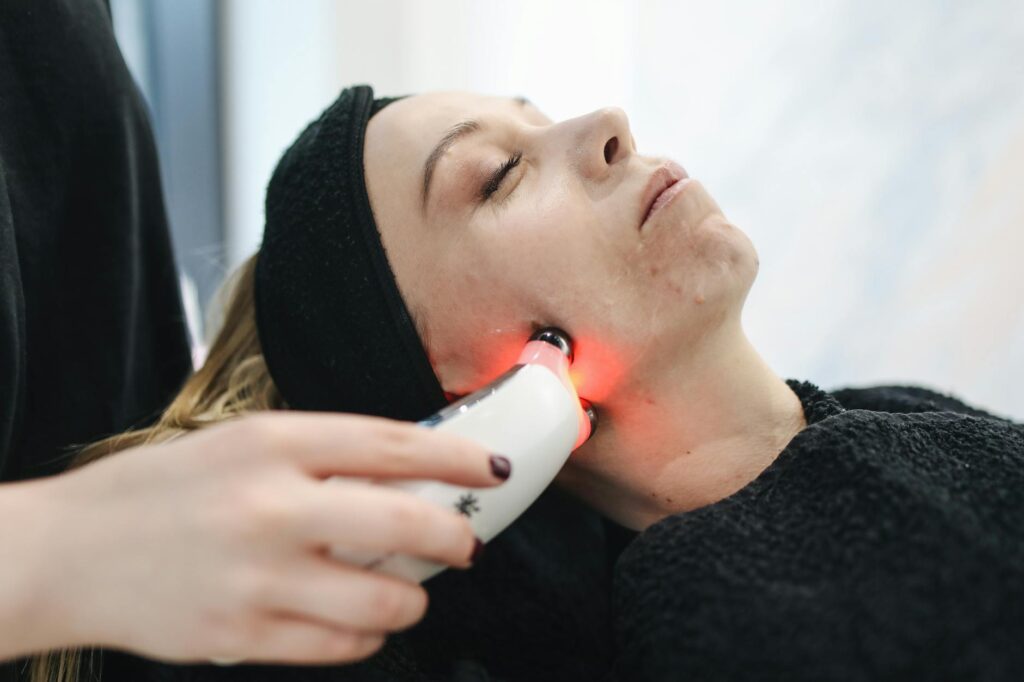
HydraFacial treats acne-prone skin through a three-step process of deep cleansing, vortex suction extraction, and blue LED light therapy that targets…