
At Least 56% of Acne Products Sold Online Contain Ingredients Not Listed on the Label

Yes, a significant portion of acne products sold online contain ingredients not listed on their labels, according to recent research on cosmetic…
Yes, a significant portion of acne products sold online contain ingredients not listed on their labels, according to recent research on cosmetic…

The claim that Curology charges $250 per month for custom acne prescriptions while generic versions of the same ingredients cost only $20 cannot be…

The sulfate-free cleanser boom has created a persistent myth: that ditching sulfates is a near-guaranteed fix for acne-prone skin. The reality is messier.

Yes, the acne care industry is undergoing a significant shift toward gentler, more skin-respecting formulations.

Yes, a new wave of skincare brands is successfully treating acne using gentler ingredients instead of the traditional harsh actives that can damage the…
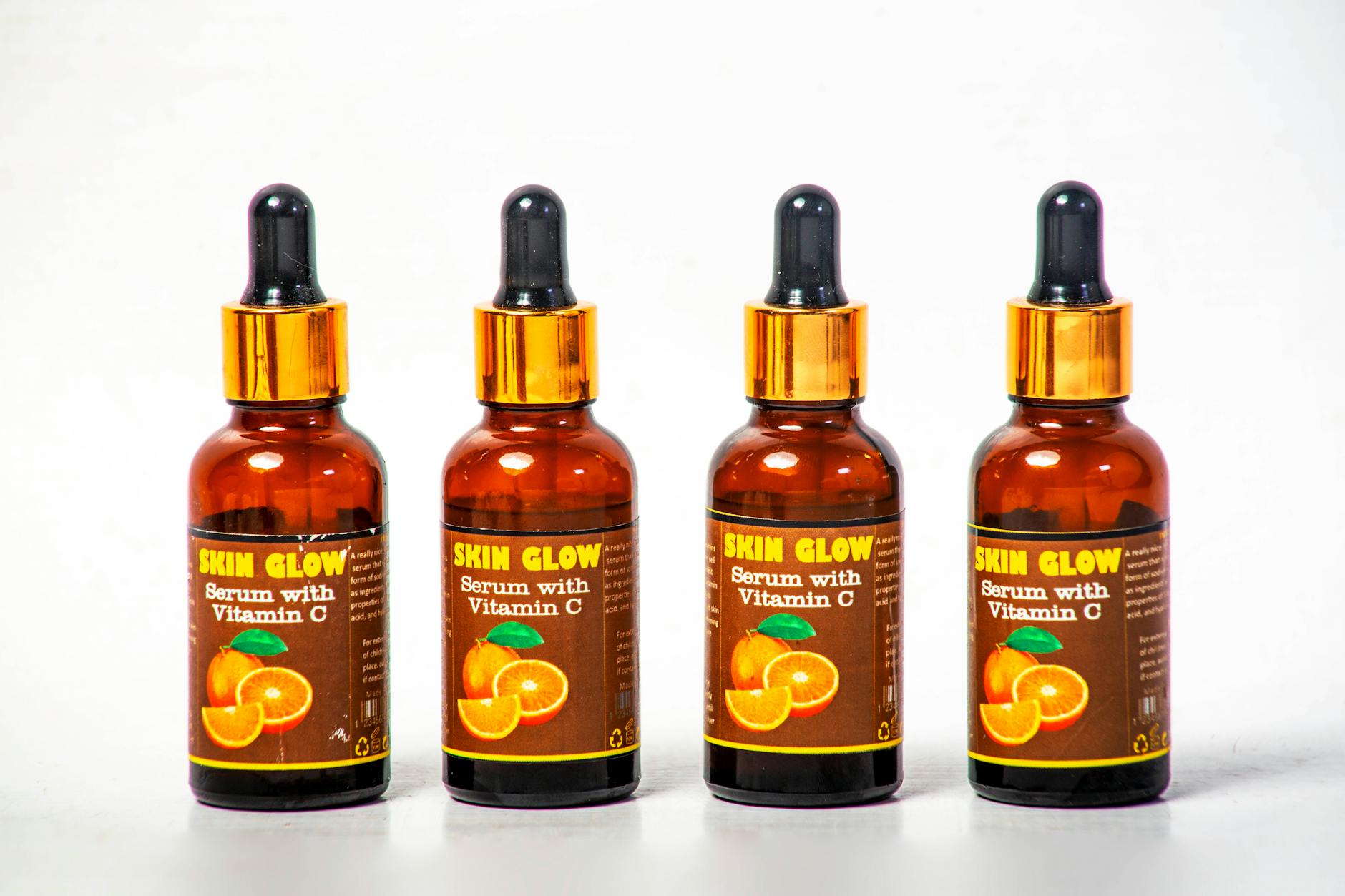
Combining too many brightening ingredients doesn’t just fail to work better—it actively damages your skin barrier, causes irritation, reduces efficacy,…

The most effective ingredients for fading dark marks are vitamin C, niacinamide, azelaic acid, and sunscreen—but the best combination depends on your skin…

The key to introducing active ingredients without irritation is to start low, go slow, and support your barrier.
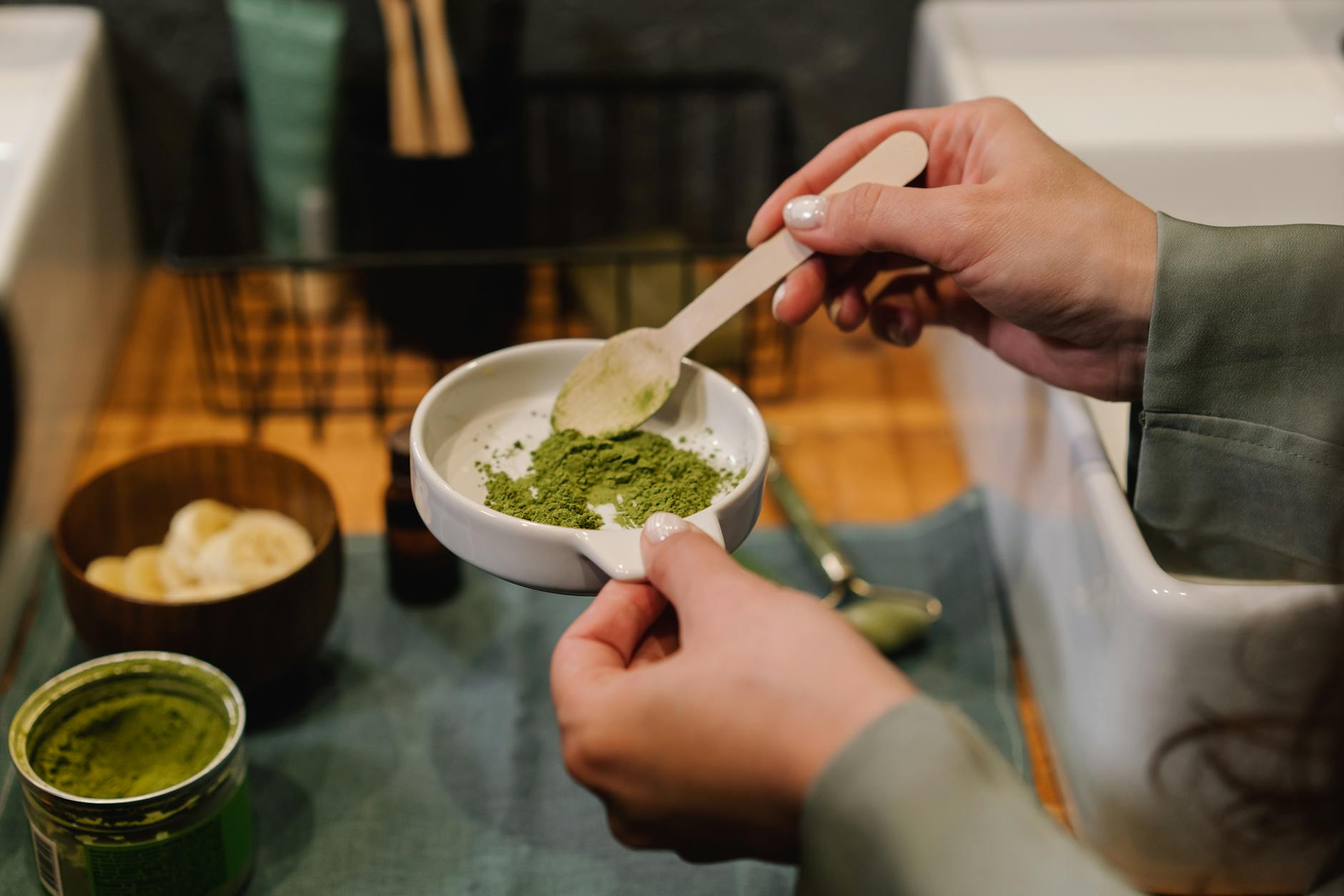
The most effective ingredients for safely reducing redness are niacinamide, centella asiatica (also called cica), azelaic acid, and licorice extract.

Treating redness with harsh ingredients typically makes the problem worse, not better. When you apply overly potent or irritating actives—like…