Fungal Acne Is Not Actually Acne…It’s Caused by Yeast Overgrowth and Won’t Respond to Traditional Acne Medications
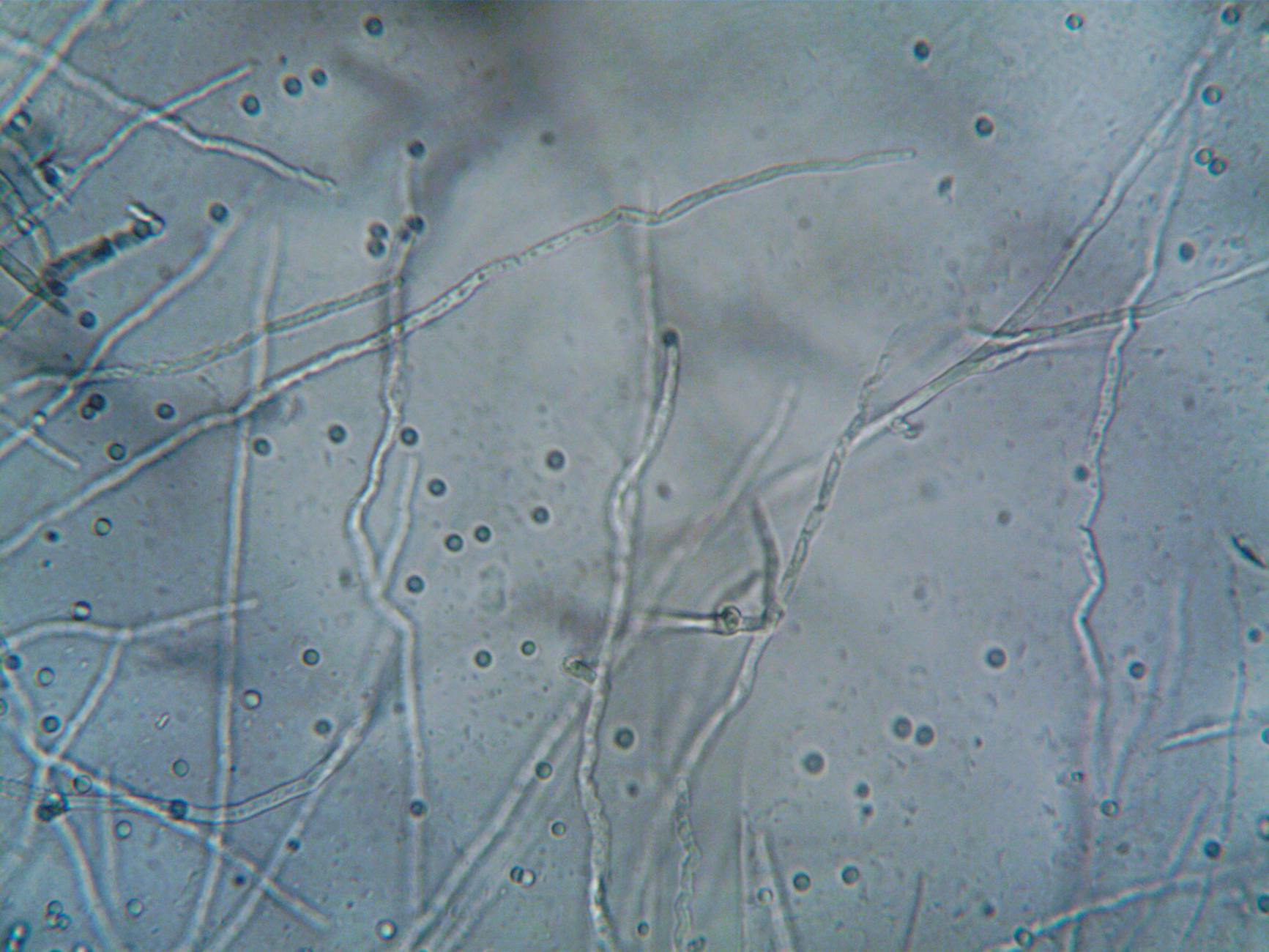
Fungal acne is not caused by bacteria—it’s a yeast infection that mimics acne vulgaris but requires completely different treatment.
Wood’s lamp is used for fungal acne diagnosis because it reveals a distinctive fluorescence pattern that clearly distinguishes Malassezia folliculitis…
If you have fungal acne, the foods you need to cut back on are those that feed yeast internally or spike your blood sugar hard enough to increase sebum…
Antibiotics don’t work for fungal acne because fungal acne isn’t caused by bacteria. It’s caused by an overgrowth of Malassezia yeast in hair follicles,…
Fungal acne on the forehead is killed most effectively by antifungal agents — specifically ketoconazole, pyrithione zinc, and selenium sulfide — which…
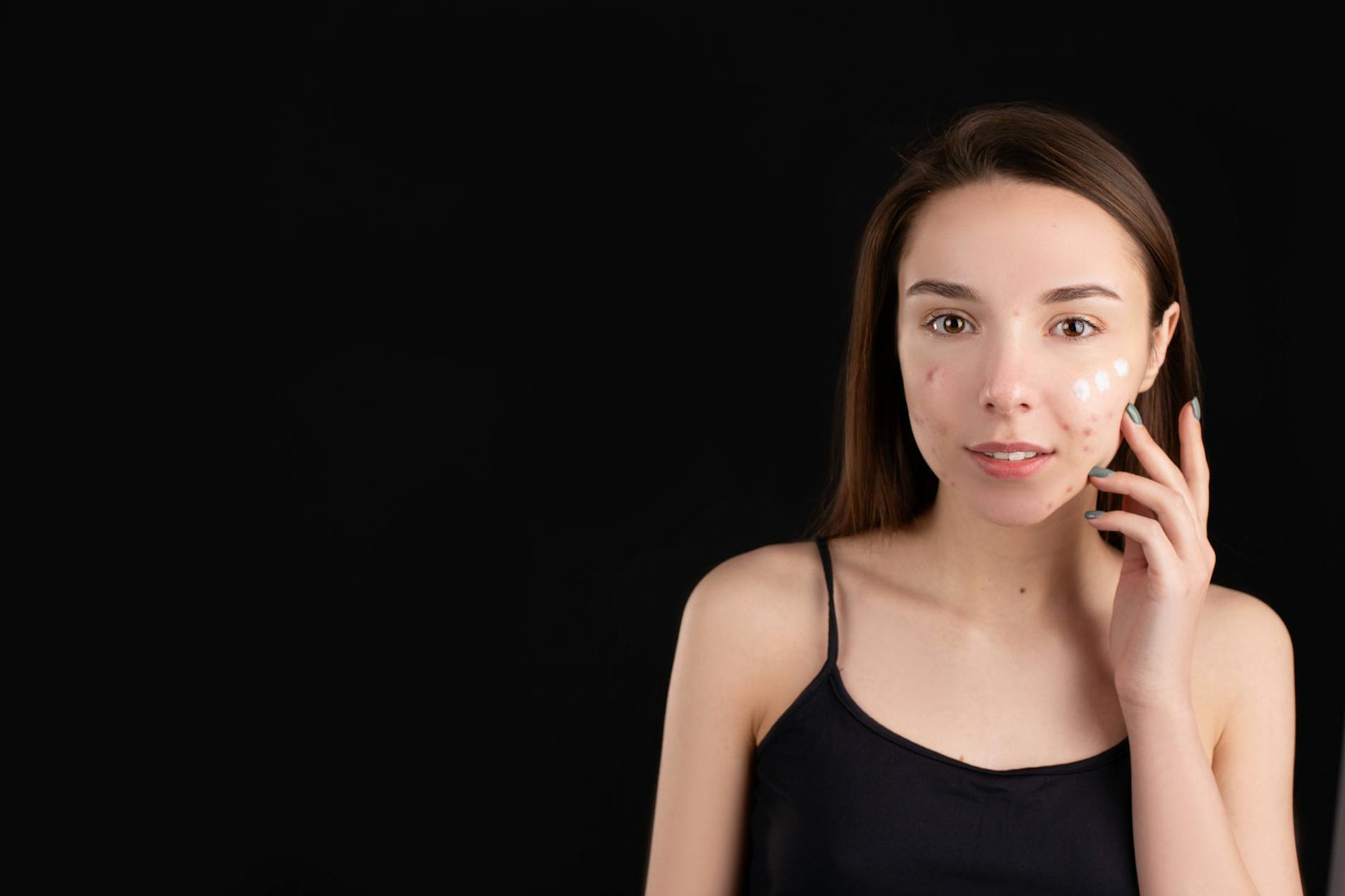
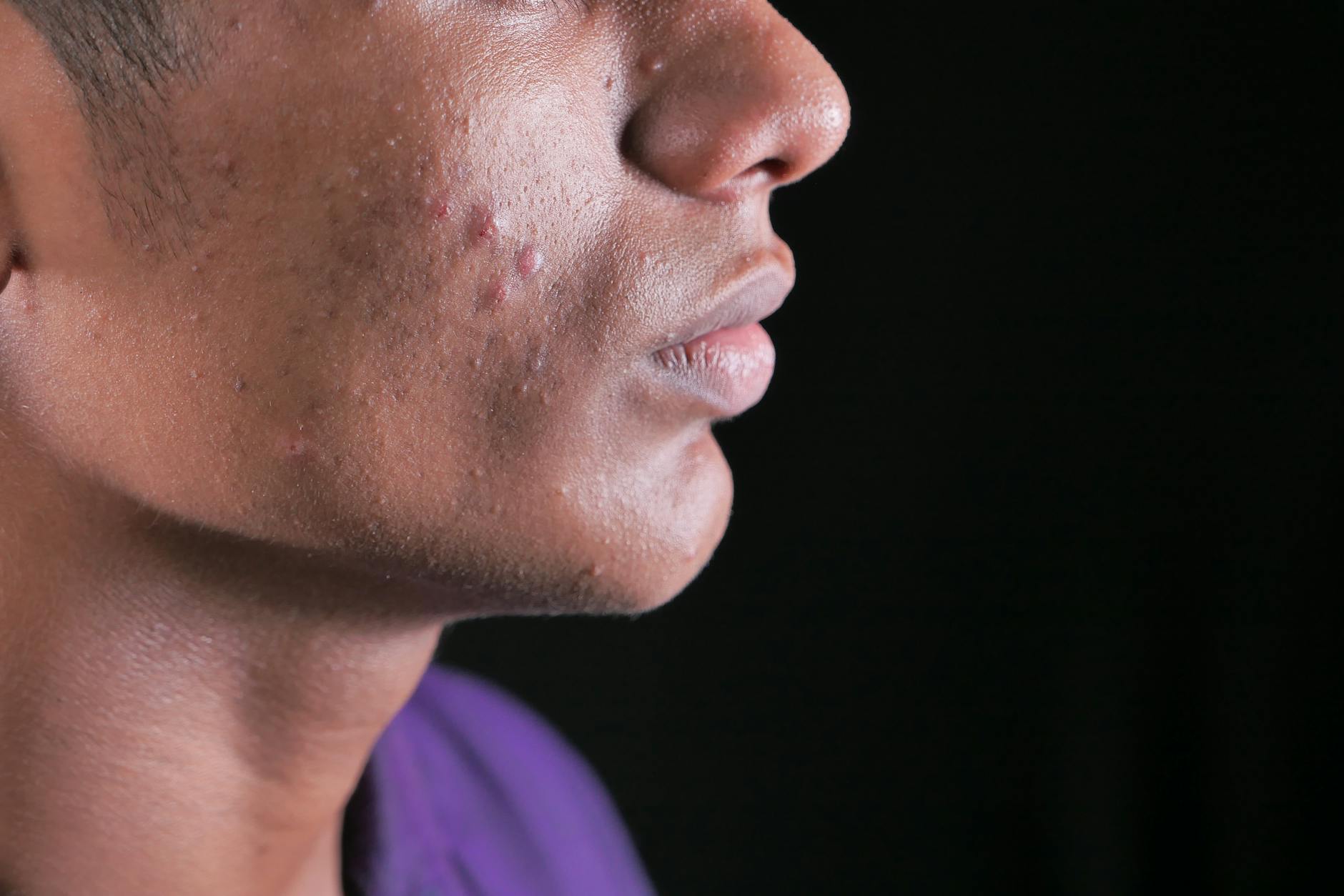
Fungal acne looks like regular breakouts because it produces small, uniform bumps that cluster in the same oily zones where ordinary pimples show up — but…
Fungal acne is not acne at all. Its clinical name is pityrosporum folliculitis (sometimes called malassezia folliculitis), and it occurs when an…