
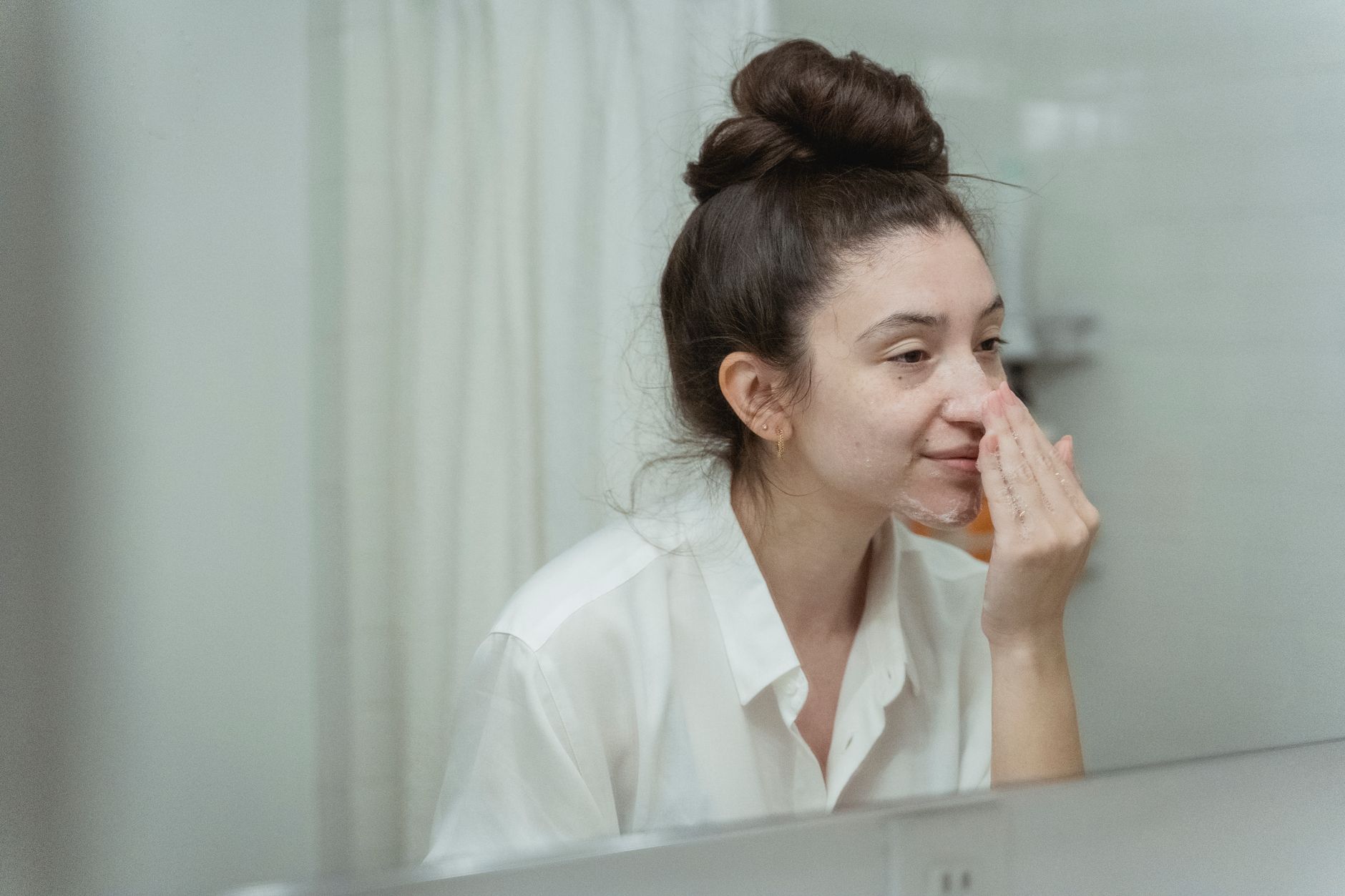
Can Washing My Face After Every Workout Make Acne Skin More Irritated?

Clear sweat after workouts with a gentle cleanse, lukewarm water, and fast moisture to protect acne-prone skin.
Clear sweat after workouts with a gentle cleanse, lukewarm water, and fast moisture to protect acne-prone skin.

Find out which cleanser habits trigger tightness and how small wash changes keep acne-prone skin comfortable.
Pick the right benzoyl peroxide form for your back, cut bleaching and burn, and build a shower routine that sticks.

Learn when skipping a morning wash helps acne-prone skin and how to cleanse gently without harming your barrier.

Learn how Pore Power’s LHA and BHA clear pores and how to fit the gel into an acne routine.
Check Get Bare’s oil base, rinse routine, and patch-test plan before adding it to acne-prone care.

See how gentle twice-daily cleansing protects the barrier and fits into an acne-prone routine.

Acne-prone guide to Jenner’s $34 gel cleanser: gentle fit, makeup-removal limit, and when to seek care.
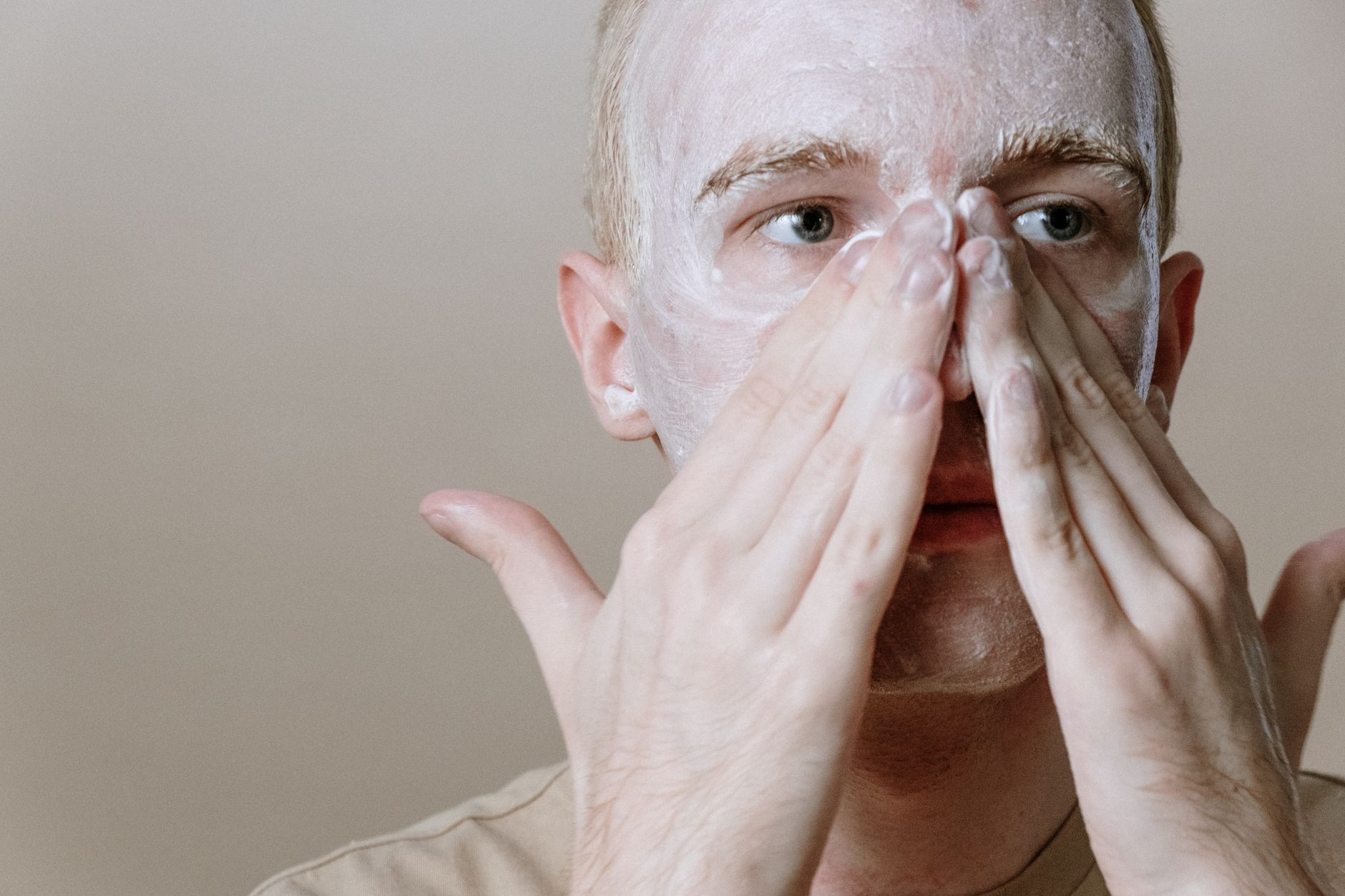
Check what the August FDA notice changed, identify recalled lots, and store benzoyl peroxide with less uncertainty.
Most oily skin sees the best results with once-daily salicylic acid cleansing, though twice daily may help severe congestion if your barrier can handle it.